As an Amazon Associate, we earn from qualifying purchases. Some links on this site are affiliate links at no extra cost to you. Our recommendations are based on thorough research and editorial judgment.


How Do You Choose the Right Ski Length for Your Height and Ability Level?

Choosing the right ski length involves considering height, weight, and skill level. Generally, skis should reach between a skier’s chin and nose. Taller and heavier skiers require longer skis for stability; shorter ones benefit beginners by enhancing maneuverability. Novice skiers should opt for shorter models, while skilled skiers may prefer longer skis for speed and performance, especially in complex terrains. Consulting size charts guarantees an ideal fit. Discovering which specific skis offer the best performance can elevate your skiing experience.
Key Takeaways
- Determine your height to find a ski length that generally falls between your chin and nose for optimal control.
- Consider your weight; heavier skiers typically require longer skis for support, while lighter skiers may prefer slightly shorter ones for maneuverability.
- Assess your skiing ability level; beginners should choose shorter skis for easier handling, while advanced skiers often opt for longer skis for stability at high speeds.
- Reflect on your preferred skiing terrain; longer skis are better for powder, whereas shorter skis are ideal for quick turns on groomed slopes.
- Utilize size charts that incorporate height, weight, and ability level to ensure the right ski length for enhanced performance and confidence.
Understanding the Basics of Ski Length
You may be interested


When it comes to choosing the right ski length, understanding the basic principles is vital for any skier looking to enhance their performance on the slopes. Ski length should generally fall between a skier’s chin and nose to guarantee an ideal balance of maneuverability and stability. Beginners often benefit from shorter skis, which offer easier control, while advanced skiers may prefer longer options for greater speed and stability at high velocities. Additionally, innovations in ski technology, such as rocker design, tend to necessitate longer skis for improved flotation in varied conditions. Regular equipment maintenance, including proper length selection, is important in maximizing performance and personal enjoyment on the snow, ensuring skiers can confidently tackle any terrain they encounter. Furthermore, regular assessments of ski length are essential to adapt to changes in skill level, weight, and skiing preferences over time.
Importance of Height in Ski Length Selection

Selecting the correct ski length is essential for achieving peak performance on the slopes, and height serves as a primary indicator in this decision-making process. A strong correlation exists between skier height and ski length, making height adjustments imperative for personalized fitting. Taller skiers typically need longer skis to gain adequate leverage and control, enhancing their overall skiing experience. Women often require longer skis relative to their height compared to men, reflecting gender-specific adaptations. However, while height serves as a foundational guideline, it’s vital to take into account additional factors like skill level and skiing aggressiveness. Ultimately, a well-chosen ski length guarantees not only improved performance and confidence but also a reduced risk of injury, allowing skiers to truly enjoy their time on the mountains. Additionally, the correct dimensions of skis can significantly impact stability and maneuverability, especially for women skiers.
Weight Considerations for Optimal Ski Length

Choosing the right ski length involves careful consideration of a skier’s weight, as this factor considerably impacts performance on the slopes. Heavier skiers typically require longer skis to provide adequate support and stability, which aids in pressure distribution and improves control, particularly in off-piste conditions. In contrast, lighter skiers find maneuverability easier with slightly shorter skis, facilitating quicker turns. Adhering to weight guidelines is essential, as under-sizing skis can result in diminished edge grip and unpredictable handling. Additionally, ski flexibility varies across types; longer skis generally provide better stiffness, enhancing energy transfer. As a result, skiers should consult sizing charts that incorporate weight alongside height to optimize their skiing experience, guaranteeing both safety and enjoyment on the mountain. Furthermore, ski width selection plays a crucial role in ensuring optimal performance across diverse conditions.
Ability Level and Its Impact on Ski Length Choice

Understanding the relationship between skiing ability and the appropriate ski length is fundamental for optimizing performance on the slopes. For novice and beginner skiers, shorter skis, typically around chest height, are essential for mastering handling techniques and ensuring safety considerations, as they allow for easier turning and better control. As skiers progress to intermediate levels, slightly longer skis between chest and nose height can enhance terrain adaptability and accommodate skill progression, balancing stability with responsiveness. Advanced skiers often prefer longer skis that improve performance expectations on challenging slopes, maximizing stability at high speeds. Properly matching ski length to ability level not only fosters confidence but also mitigates injury risk, enhancing the overall skiing experience for enthusiasts at all levels. Additionally, understanding the sidecut radius of skis can further aid in selecting the right length based on individual skill and terrain preferences.
Ski Length Recommendations Based on Height
When it comes to selecting the right ski length, a skier’s height is a pivotal factor that can greatly enhance overall performance and safety. Ski length recommendations typically fall between a skier’s chin and the top of their head. For example, a skier around 6’0″ (183 cm) generally uses skis measuring between 170 cm to 190 cm. Height variations considerably influence these lengths; for instance, a 5’6″ (168 cm) skier might select skis in the 155–175 cm range. Sizing charts align these standards closely, ensuring skiers can find an ideal length easily. While shorter skis may benefit beginners, height remains the primary anchor for all skiers, effectively matching their needs to the terrain they love. Additionally, the right ski length can enhance flexibility and stability, contributing to a more enjoyable skiing experience.
Recommended Products


Moisture-wicking materials keep feet dry and comfortable all day
Adjusting Ski Length for Different Skill Levels
Selecting the appropriate ski length based on skill level is essential for maximizing both performance and enjoyment on the slopes. For beginner skiers, a ski length adjustment to around chin height or 10-15 cm shorter than their height enhances control and builds confidence. Shorter skis are easier to maneuver, allowing beginners to link turns more effectively while minimizing fatigue. As skiers progress to intermediate levels, a length 5-10 cm shorter than their height strikes a balance between nimbleness and stability, allowing for greater speed and varied terrain. Intermediate skiers benefit from stiffer flex; adapting ski length to skill fosters improvement in carving and edge control, laying a strong foundation for future advancement, ultimately enriching the skiing experience for all skill levels. Additionally, using accessories like ski boot buckles can enhance comfort and simplify adjustments, further contributing to an enjoyable skiing experience.
Recommended Products
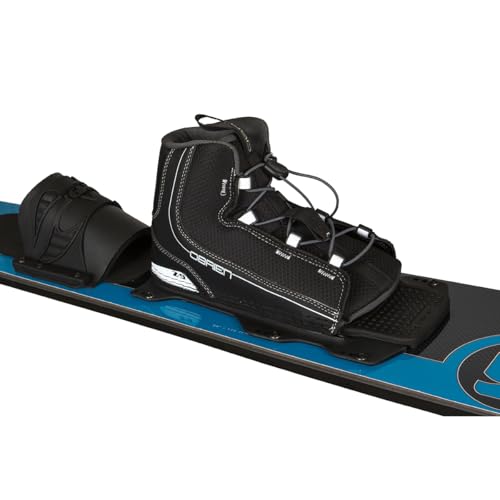
Z-9 Junior Bindings for up to size 7


The Role of Skiing Style in Length Selection
The choice of ski length considerably depends on the skier’s style, as it directly influences performance characteristics like maneuverability and stability. Aggressive skiers, who excel in high-speed conditions, often opt for longer skis that provide enhanced stability and control. Conversely, those who prefer quick turns or tree skiing may select shorter skis to maximize agility. Skiing techniques, such as carving, typically require shorter skis to improve edge hold and responsiveness. Additionally, ski flexibility plays a critical role; skis with rocker profiles should be longer to guarantee better float in powder, while camber skis perform well at a shorter length for groomed runs. Understanding these nuances helps skiers make informed choices that elevate their performance on the slopes. Furthermore, twin tip skis are designed to cater to various styles, offering enhanced versatility for both freestyle and all-mountain skiing.
Terrain Preferences and Their Influence on Ski Length
Terrain preferences play an essential role in determining the ideal ski length, as different conditions greatly affect performance and enjoyment on the slopes. For skiers favoring powder and deep snow terrain, longer skis enhance flotation, while those tackling steep, open runs benefit from added stability at high speeds. Conversely, skiers traversing tight trees or technical terrain often prefer shorter skis, allowing for quicker turns. Carving enthusiasts on groomed runs typically opt for skis that hit chin- or nose-height, maximizing responsiveness. All-mountain skiers may choose mid-length skis to adapt to various terrain types, balancing stability and maneuverability. Understanding these terrain-specific ski preferences helps skiers make informed choices that elevate their experience on the mountain. Additionally, skiers should consider flex ratings when selecting ski lengths, as they influence control and responsiveness on different terrains.
Recommended Products

Modern Carving—Beginner to Intermediate downhill men & womens skis with bindings; All mountain skis for men & women bring the confidence to discover the whole resort
Modern Carving—Beginner to Intermediate downhill men & womens skis with bindings; All mountain skis for men & women bring the confidence to discover the whole resort

OTG (Over-The-Glasses) Design: Ski goggles that fits over glasses. Suitable for both adults and youth
The Balance Between Stability and Maneuverability
Balancing stability and maneuverability is essential for skiers who seek to enhance their performance across varying conditions and skill levels. Long skis, often exceeding 170 cm, excel at high speeds and on hard-packed snow, providing stability and superior grip. They are designed for aggressive carving on open slopes, effectively absorbing terrain irregularities. However, these longer skis require a higher skill level to handle turns efficiently. Conversely, short skis offer enhanced maneuverability, ideal for beginners and intermediate skiers managing tight spaces, moguls, or parks. They enable quicker turns and can minimize fatigue, making them accessible for those still mastering their technique. Ultimately, selecting the right ski length hinges on balancing these trade-offs to match one’s skiing style and aspirations. Additionally, understanding rocker profile types can further influence the performance characteristics of your chosen ski length.
Fine-Tuning Ski Length for Personal Preferences
Fine-tuning ski length involves a careful consideration of personal preferences, skill level, and the specific conditions a skier intends to tackle. Skiers seeking agility in tight spaces, like tree skiing or mogul fields, may favor shorter skis, enhancing control and maneuverability. Conversely, those venturing into deep snow or steep terrain often choose longer skis, benefiting from improved floatation and stability. The rocker profile also influences these choices, as skis with more rocker typically require additional length for ideal performance. It’s essential for skiers to align their ski length with their skiing style—whether they prefer swift, responsive turns or stable, high-speed runs—ensuring an enjoyable experience tailored to their unique needs. Additionally, ski performance can greatly vary based on camber excels on groomed trails, highlighting the importance of selecting the right profile for your skiing conditions.
Common Mistakes in Ski Length Selection
When selecting the appropriate ski length, many skiers inadvertently make critical errors that can adversely affect their performance on the slopes. Common ski length misconceptions include misjudging their ability level, leading to either trouble with long skis for beginners, or a lack of stability for advanced skiers needing longer options. Additionally, ignoring terrain types results in unsuitable choices; for example, skis too long for tight spaces can hinder maneuverability. Ski selection pitfalls are compounded when weight and body proportions aren’t factored in, further complicating the decision. Ultimately, lack of professional guidance can leave skiers grappling with poor selections. By recognizing these common errors, skiers can enhance their experience on the slopes and enjoy a more connected skiing community.
Utilizing Ski Size Charts Effectively
Choosing the right ski length can greatly enhance a skier’s experience, and ski size charts serve as valuable tools in this selection process. Ideal ski lengths vary based on factors like height, weight, and ability level, with recommendations ranging between nose and eyebrow height. Beginners should select shorter skis for easier handling, while advanced skiers benefit from longer skis for stability and speed. Different ski designs also influence size choices; narrower, carving skis can be chosen shorter for agility, whereas wider, rockered skis for all-mountain terrain typically require longer lengths to maintain balance. By effectively utilizing size charts, skiers can refine their selections, ensuring a better fit that enhances their overall confidence and enjoyment on the slopes.
Recommended Products


Material: Kids snow suit crafted with 100% nylon, crafted from smooth, wind-resistant fabric, this ski wear offers lightweight protection against winter chills. its breathable construction ensures comfortable wear during active play on the slopes, preventing overheating while shielding from the cold. gentle on young skin, it provides reliable defense without stiffness.
Seeking Expert Guidance for Personalized Recommendations
Seeking expert guidance for personalized recommendations can greatly enhance a skier’s experience on the slopes, as professionals can provide tailored advice that often goes beyond generic sizing charts. Expert recommendations, rooted in extensive knowledge of skiing equipment and techniques, take into account individual factors such as height, weight, and skill level. This personalized advice enables skiers to select the ideal ski length for their unique skiing style and preferred terrain, ensuring peak performance. For instance, a heavier skier might benefit from longer skis for added stability in deep snow, while beginners may find shorter skis easier to handle, promoting quicker turn initiation. Ultimately, consulting with a knowledgeable professional helps skiers feel empowered and confident in their equipment choices, fostering a sense of belonging within the skiing community.
Frequently Asked Questions
Can Ski Length Affect My Learning Speed as a Beginner?
Ski length greatly impacts a beginner’s learning pace and comfort. Shorter skis enhance maneuverability, allowing novices to build confidence and technique quickly, ultimately leading to a more positive and supportive environment for skill development and enjoyment.
Do Ski Lengths Differ for Men and Women?
Ski lengths do differ for men and women, primarily due to design differences and performance characteristics. Women’s skis are generally shorter and tailored to female biomechanics, enhancing stability and confidence, especially at advanced levels.
How Does Ski Length Impact Safety on the Slopes?
Ski length greatly influences safety on the slopes; shorter skis enhance stability and facilitate injury prevention, while longer skis elevate risks, especially for ACL injuries. This complex balance dictates both performance and skier confidence amidst exhilarating descents.
Are There Specific Brands That Fit Better With Certain Lengths?
Certain brands exhibit preferences for specific lengths, tailoring length recommendations to their ski designs and intended use. Understanding these brand tendencies helps skiers align their choices with personal style and performance expectations for an enjoyable experience.
What Is the Best Way to Test Ski Length Before Purchasing?
Engaging in demo days provides a delightful journey for skiers. Testing various ski rentals allows enthusiasts to discover the ideal length, enhancing comfort and connection with their chosen terrain through personalized experience and skillful confidence on the slopes.