As an Amazon Associate, we earn from qualifying purchases. Some links on this site are affiliate links at no extra cost to you. Our recommendations are based on thorough research and editorial judgment.

How Do Women’s Specific Skis Differ From Unisex Models?

Women’s specific skis are tailored to accommodate anatomical differences, such as a wider pelvis and lower center of gravity, resulting in refined designs that improve performance. These skis often feature softer flex for enhanced maneuverability, while binding positions are shifted 1.5–2 cm forward for better stability and control during turns. The deeper sidecut geometry allows for quicker, tighter turns, making them ideal for traversing variable snow conditions. Explore the evolving trends and innovations in women’s ski technology for more insights.
Key Takeaways
- Women’s specific skis have a softer flex design for improved turn responsiveness compared to the stiffer flex of unisex models.
- Binding positions on women’s skis are shifted 1.5–2 cm forward, enhancing stability and turn initiation over unisex skis.
- The sidecut geometry of women’s skis features deeper cuts for easier maneuverability, while unisex skis focus on stability at higher speeds.
- Women’s skis incorporate lightweight materials, reducing fatigue and facilitating easier navigation compared to heavier unisex options.
- Tailored ski shapes account for women’s anatomical differences, providing better weight distribution and control than standard unisex designs.
Weight Considerations in Ski Design
You may be interested


When considering weight as a critical factor in ski design, it becomes evident that women’s specific skis offer unique advantages tailored to the needs of female skiers. These skis incorporate lightweight materials, such as carbon fiber and paulownia wood, optimizing weight distribution without sacrificing durability or strength. The lighter core and binding systems reduce fatigue during extended skiing sessions, enhancing performance on various terrains. Additionally, their design adjusts to the female anatomy, allowing for effective weight balance that aligns with a woman’s lower center of gravity. This tailored performance results in improved agility, making it easier to navigate tight spaces and initiate turns, ultimately providing greater enjoyment and control on the slopes. Women’s skis exemplify innovation focused on enhancing every skier’s experience, as seen in the lightweight aluminum construction of many top-rated ski poles that cater to diverse skiing styles.
Recommended Products

THERMALOCK: 8000mm WP WR resistant coupled with Critical seams are sealed for added protection from the elements; ALL-WEATHER PROTECTION protects against the COLD, SNOW, RAIN and WIND.

❄️ All-Day Warmth & Weather Protection Stay warm without the bulk. These women’s ski pants feature a windproof softshell exterior with a cozy fleece lining to lock in heat while blocking cold air, light snow, and moisture. Breathable stretch fabric keeps you comfortable and moving freely in winter conditions.

100% Other Fibers
Flexibility and Maneuverability
Flexibility and maneuverability play pivotal roles in the overall skiing experience, particularly for female skiers, who benefit from skis specifically designed to accommodate their unique biomechanics. The flex design of women’s skis often features a softer characteristic, enhancing turn responsiveness and enabling quicker, more controlled movements. This tailored flex promotes ideal power transfer while maintaining edge control, ensuring that skiers can confidently navigate varied terrains. Additionally, the forward-shifted binding position enhances skiing adaptability, centering weight for improved stability enhancement during turns. By reducing over-rotation and minimizing edge chatter, these adjustments contribute to a more enjoyable, less fatiguing ride, allowing female skiers to fully embrace their passion with equipment that meets their distinctive needs and preferences. Moreover, the integration of Natural Stance technology further optimizes balance and control, catering specifically to the anatomical differences in women’s skiing.
Recommended Products
ARCTIX ESSENTIALS: Stay warm and dry with the Arctix Women's Essential Insulated Ski Bibs. These durable, water resistant snow bibs for women offer all-weather protection, lightweight insulation, and a customizable fit to keep you comfortable in the cold.

【Windproof & Warm】: Say goodbye to wind chill as it keeps UV rays, cold air and snow out, allowing you to fully enjoy your outdoor activities in comfort and warmth
100% Other Fibers
Sidecut Geometry and Turn Initiation
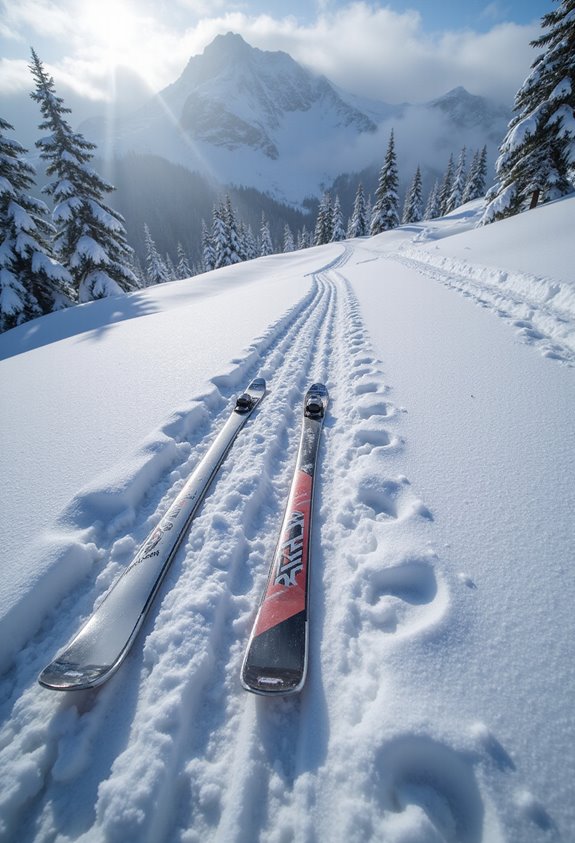
Understanding sidecut geometry is essential for skiers seeking ideal turn initiation, as it greatly influences how skis perform on the slopes. Women’s specific skis typically feature deeper sidecut differences compared to unisex models, allowing for easier and more responsive turn performance, particularly beneficial for lighter skiers. The pronounced sidecut design facilitates tighter turns, enabling confident carving and smoother shifts between different turn shapes. With a focus on radii under 16 meters, women’s skis are engineered for quick maneuverability, whereas unisex skis often prioritize stability at higher speeds with longer. Additionally, the adaptability for various snow conditions enhances the overall experience for female skiers, allowing them to excel in diverse terrains.
Recommended Products

OTG (Over-The-Glasses) Design: Ski goggles that fits over glasses. Suitable for both adults and youth
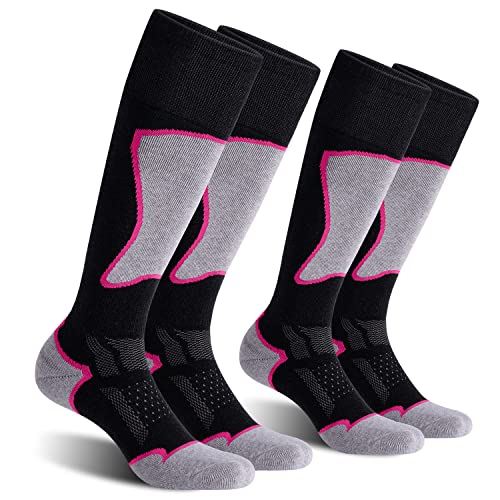
Keep Warm: These ski socks are crafted from a blend of Merino wool and cotton, extra cushion on knee and heel part provide enhanced thermal properties and superior warmth.

Binding Mount Adjustments
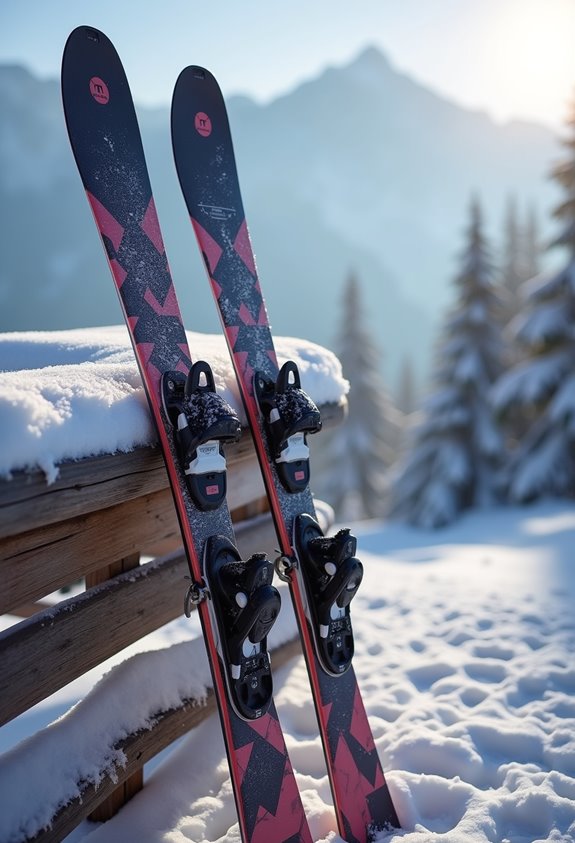
Binding mount adjustments play an essential role in optimizing performance and comfort on the slopes, particularly for female skiers. Women’s specific skis often feature binding placement 1.5–2 cm forward compared to unisex models, addressing anatomical differences and improving pressure on ski tips for better turn initiation. This forward mount enhances balance, allowing female skiers to maintain weight over their skis effectively. Additionally, women’s bindings may elevate the heel slightly, promoting better body positioning that aligns with forward-mounted bindings. These adjustments are engineered to work specifically with each ski model’s flex and geometry, maximizing performance impact in various snow conditions. As a result, choosing skis with these tailored binding adjustments can greatly enhance a female skier’s overall experience and control on the slopes. Furthermore, wide snowboards are designed to reduce toe and heel drag, which can also benefit female skiers with larger boot sizes.
Length and Sizing Tailored for Women
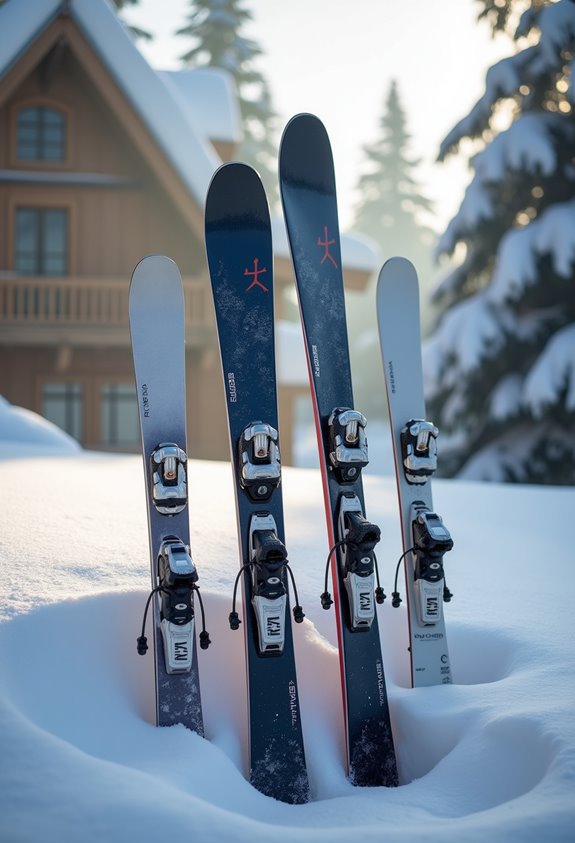
When it comes to selecting skis tailored for women, length and sizing play a pivotal role in enhancing performance and comfort on the slopes. Women’s skis typically range from 150 cm to 190 cm, with height recommendations suggesting skis should fall between chin and head height. Beginners benefit from shorter lengths, making turns easier, while advanced skiers often choose longer skis for better stability and speed. Standard sizing charts offer versatile options: beginner lengths start around 120 cm to 150 cm, intermediate levels range between 140 cm to 165 cm, and advanced levels extend from 160 cm to 190 cm, catering to various skill suitability. These specifications guarantee women feel confident and at home on the snow, encouraging an inclusive skiing experience. Additionally, lightweight options are essential for enhancing agility without compromising stability, making them ideal for female skiers.
Recommended Products
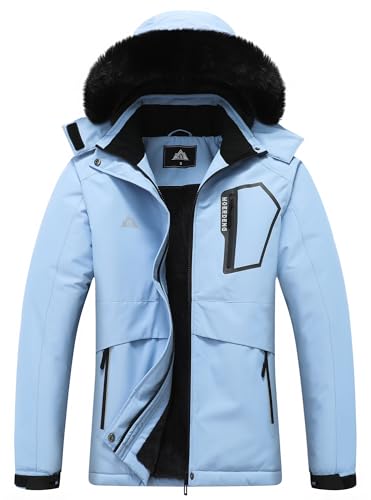
Stay Dry and Comfortable on The Slopes: Elevate your skiing experience with the MOERDENG Women's Ski Jacket. Engineered with superior waterproof and windproof capabilities, this jacket keeps you comfortably dry whether you're skiing, snowboarding, or hiking. Its versatility makes it a must-have for any outdoor winter activity, ensuring you stay protected in style

ihuan Winter Waterproof Ski Gloves Men Women, Snow Warm Cycling Cold Weather, Driving Biking Running
Keep Warm, Windproof, Water-resistance - As the blockbuster product, ihuan mens winter gloves integrate stylish and performance. Skin-friendly waterproof fabric outer, soft and dense fleece lining, combined with the adjustable windproof cuff to keep snow and ice from getting inside, increasing the force for the cold resistance. Keep your hands warm and comfortable in freezing winter. Best suited for temperatures of 20 °F - 32 °F (Not applicable in extreme weather)

Premium Merino Wool Blend for Superior Warmth: 31.3% Merino wool combined with acrylic and polyamide provides natural insulation and breathability, keeping feet warm and dry in sub-zero conditions without overheating – ideal for skiing, snowboarding, or winter hikes.
Material Construction Differences
In the domain of skiing, the construction materials of skis play an essential role in determining their performance, particularly between women’s specific models and unisex options. Women’s skis often utilize lighter core materials like Paulownia or bamboo, delivering significant material advantages in maneuverability, especially beneficial for lighter skiers. Unisex models usually employ denser wood cores for added stiffness. Additionally, progressive construction techniques such as carbon fiber incorporation enhance strength while reducing weight, making skis both responsive and forgiving. Importantly, women’s skis feature tailored flex patterns that improve turn initiation, crafting a skiing experience that resonates with skill levels, especially beginners. By prioritizing comfort and control, these models foster a sense of confidence on the slopes, inviting all to enjoy skiing’s thrill.
Durability and Performance Needs
Durability and performance are essential aspects to evaluate when selecting skis, as they markedly influence the skiing experience on the slopes. Women’s specific skis are tailored to meet the durability requirements of lighter skiers, featuring a softer flex that enhances performance metrics, such as shock absorption and energy management. This design allows skiers to maintain longer endurance without unnecessary fatigue. In contrast, unisex skis, often stiffer and heavier, may hinder performance for lighter individuals, causing instability and reduced confidence. Proper sizing is critical, as correctly sized women’s skis maximize durability by optimizing flex patterns. Additionally, forward-mounted bindings in women’s models improve balance and responsiveness, elevating overall performance and ensuring a satisfying, empowering experience on the slopes. Furthermore, innovations such as Natural Stance Technology enhance the overall control and comfort for female skiers, contributing to a more enjoyable ride on varied terrains.
Biomechanical Adaptations in Skiing
Biomechanical adaptations in skiing considerably influence performance and technique, particularly for female skiers whose physiological differences shape their approach on the slopes. Kinematic differences, such as variations in cycle length and heel-raise timing, highlight how women often initiate movements differently than men. Anatomical alignment plays a vital role, as the natural anterior pelvic tilt often found in women can affect spinal posture, impacting the efficiency of turns and overall stability. Consequently, women’s-specific skis may be designed to accommodate these unique adaptations, enhancing mobility and balance while reducing strain during skiing. These factors underscore the importance of tailored equipment, ensuring women can perform at their best while enjoying a sense of belonging in the skiing community. Additionally, utilizing advanced safety technology in ski gear can further enhance performance and reduce injury risks on the slopes.
Center of Gravity and Stability
Ski design greatly influences a skier’s center of gravity and stability, especially for women, who have unique physical attributes affecting their performance. Women’s specific skis typically feature bindings mounted about 2 cm forward, which shifts the center gravity, allowing for easier turns and enhanced weight distribution. This adjustment promotes an athletic stance that notably improves stability, as the weight aligns over the mid-foot area. Additionally, the lower center of mass in women necessitates skis that maintain balance without excessive force, providing fatigue reduction and improved maneuverability. Designs with increased sidecuts and lighter materials further optimize stability enhancement, making these skis ideal for steering through variable snow conditions. Such thoughtful designs guarantee that women feel confident and in control on the slopes. Furthermore, the use of advanced materials and designs in women’s skis enhances responsiveness, making them better suited for diverse skiing activities.
Impact of Anatomical Differences
Understanding the impact of anatomical differences is essential for women seeking ideal performance on the slopes. Women’s skiing needs are uniquely shaped by their anatomy, from wider pelvises influencing ski sidecut design for improved control during turns, to leg proportions that dictate flex patterns. Proper anatomical alignment is imperative; tailored ski shapes enhance stability and balance by accommodating these differences. Additionally, the lower center of gravity in female skiers necessitates ski designs with adjusted binding positions, optimizing ski control. By addressing these factors, women’s specific skis not only cater to their biomechanics but also promote performance optimization, reducing the risk of injury and enhancing overall skiing experiences. Choosing the right equipment is therefore essential for empowering every woman on the mountain. Furthermore, safety certifications play a crucial role in ensuring that the skis meet the necessary performance standards for female skiers.
Skiing Styles and Power Application
Maneuvering the slopes requires an understanding of the unique skiing styles and power application methods that define women’s performance on the mountain. Women’s specific skis emphasize finesse techniques, allowing for smoother maneuvering and graceful turns. These skis feature a softer flex pattern and a slightly forward mounting position, promoting an efficient power distribution that enhances balance and control. This design enables women to apply energy effectively, facilitating quicker turn initiation without the need for brute strength. In contrast, unisex skis often demand more aggressive power application, which may not suit lighter skiers as well. By adapting to women’s anatomical differences, these skis enhance performance, enabling longer, more enjoyable ski sessions in any terrain. Additionally, features like flex ratings allow for a tailored skiing experience that accommodates varying skill levels.
Balance and Control Enhancements
Balance and control are essential for enhancing the skiing experience, particularly for female skiers who often face unique challenges on the slopes. Women’s specific skis are designed with refined flex patterns to match lighter body mass, providing easier turn initiation while reducing fatigue. Particularly, the binding mount point is typically set 2 cm forward to better align weight distribution, helping prevent a “backseat” stance and enhancing overall control. Additionally, the increased sidecut angles and narrower waist widths actively support smoother turns, making it easier for lighter skiers to engage edges. These enhancements provide remarkable control, offering a more enjoyable and responsive experience on the mountain, allowing female skiers to truly thrive and belong on any terrain.
Technology in Women’s Skis
In recent years, innovations in technology have significantly advanced the design of women’s skis, enabling them to meet the unique needs of female skiers who seek enhanced performance on the slopes. Women’s skis often feature specialized mounting technology that adjusts the mounting point, enhancing anatomical alignment for improved control. Additionally, rocker profiles in many models promote smoother turn initiation and better float in varying snow conditions. Lightweight construction with advanced materials, like carbon and flax fibers, guarantees reduced swing weight for easier maneuverability. These technological advancements not only optimize performance but also encourage confidence among skiers, fostering a sense of belonging in the sport. Ultimately, these enhancements cater to the dynamics of women’s skiing, offering an extraordinary experience on the mountain.
Recommended Products
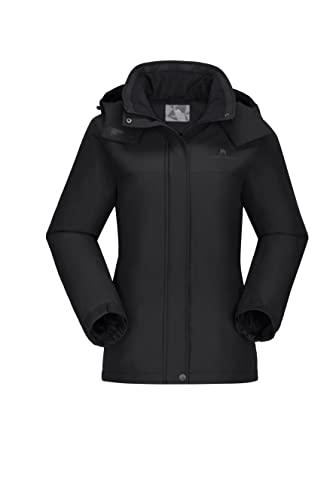
✔FEATURE --- Women winter coats are made of high-density fabric. The texture is flexible , which can effectively resist the invasion of cold winds, lock the body temperature, and have no fear of outdoor cold winds. keep you warm and dry.The lining is plush and soft, and offers superior insulation against the elements.

Made of durable wind-breaking material and fluff lining, designed to keep you super warm and cozy in outdoor activities
Stay Dry and Comfortable on The Slopes: Elevate your skiing experience with the MOERDENG Women's Ski Jacket. Engineered with superior waterproof and windproof capabilities, this jacket keeps you comfortably dry whether you're skiing, snowboarding, or hiking. Its versatility makes it a must-have for any outdoor winter activity, ensuring you stay protected in style
Fatigue Reduction Strategies
Fatigue reduction strategies play an essential role in enhancing the skiing experience for female athletes by addressing specific physiological and performance needs through innovative design features. Women’s specific skis utilize lightweight materials like milled aspen and bamboo to reduce overall weight, supporting better fatigue management and energy efficiency on the slopes. Adjustments in flex patterns and forward-mounted bindings enhance maneuverability and help distribute weight evenly, which diminishes strain. Increased sidecut enables smoother turn initiation, requiring less effort and promoting confidence in various conditions. These design elements culminate in a ski that not only emphasizes control and stability but also resonates with female skiers seeking an enjoyable and less exhausting experience in the mountains.
Evolving Trends in Ski Design for Women
The landscape of ski design for women has experienced significant evolution, shaped by an increasing recognition of the unique physical demands and preferences of female skiers. Emerging trends emphasize an anatomical focus, tailoring skis to better suit female biomechanics. Innovations include lighter core materials, flexible adjustment features, and smaller turn radii, enhancing maneuverability on diverse terrain. Additionally, design evolution guarantees binding placement aligns with female centers of gravity for improved balance, while softer flex patterns offer better absorption of bumps, creating a more comfortable experience. The aesthetic appeal is also prioritized, with vibrant color palettes and cohesive gear coordination appealing to modern skiers, making not only functionality but also style accessible for all women who share a passion for skiing.
Frequently Asked Questions
Can Women Use Unisex Skis Effectively?
Certainly, women can gracefully navigate unisex skis, as these models often cater to broader performance profiles. By aligning unisex performance with women’s unique ergonomics, skiers can enjoy a satisfying experience tailored to their personal skiing journey.
How Should I Choose the Right Size for Women’s Skis?
Choosing the right size for women’s skis involves considering ski length, personal height, and women’s ski flex. Emphasizing comfort and confidence guarantees an enjoyable experience, fostering a sense of belonging within the skiing community.
Are Women’s Skis More Expensive Than Unisex Options?
Women’s skis often exhibit pricing differences compared to unisex options, influenced by ski technology tailored for anatomy and production volume. The perceived value may resonate with skiers seeking performance, comfort, and a shared experience on the slopes.
What Brands Are Known for Women’s Specific Skis?
Known brands for women’s specific skis include Nordica, Salomon, Blizzard, and Coalition Snow, each emphasizing feminine design and performance benefits, catering to diverse skiing preferences while fostering a sense of community among female skiers.
How Do Women’s Skis Perform in Varying Snow Conditions?
Women’s skis excel in varying snow conditions due to thoughtful ski design, featuring tailored flex patterns and appropriate waist widths. This enhances snow performance, allowing skiers to navigate both powder and groomed terrains with confidence and ease.