As an Amazon Associate, we earn from qualifying purchases. Some links on this site are affiliate links at no extra cost to you. Our recommendations are based on thorough research and editorial judgment.


How Do You Determine the Right Ski Flex Rating for Your Weight?

To determine the right ski flex rating based on weight, heavier skiers generally need stiffer boots (100-130+ for men, 90-110+ for women) for peak performance, while lighter skiers benefit from softer flex (50-70 for men, 40-60 for women) to enhance maneuverability. Beginners should choose lower flex ratings for comfort and ease. It’s crucial to customize the boot fit, as flex perception can vary by brand, ensuring a more enjoyable skiing experience. Learn how other factors affect your choice.
Key Takeaways
- Determine your weight class to find suitable ski flex ratings, as heavier skiers need stiffer boots (100-130+ for men, 90-110+ for women).
- For lighter individuals, select softer flex ratings (50-70 for men, 40-60 for women) to enhance maneuverability and comfort.
- Beginners should opt for lower flex ratings to promote easier handling and support as they develop their skills.
- Regularly reassess your flex choice as your skiing ability evolves and weight changes may influence performance needs.
- Take into account brand variability, as flex ratings may differ between manufacturers, affecting perceived stiffness and comfort.
Understanding Ski Flex Ratings
You may be interested


Understanding ski flex ratings is crucial for any skier looking to enhance their performance on the slopes, as these ratings directly influence a skier’s control, comfort, and ability to respond to varied terrain. Flex ratings typically range from 30 to over 140, with lower numbers indicating softer boots, ideal for comfort and ease of movement. Construction elements, such as ski boot materials and shell thickness, considerably affect a boot’s stiffness, while design features like the number of buckles and adjustable flex mechanisms allow skiers to personalize their experience. Different skiing disciplines demand specific flex characteristics, making it essential to reflect on individual preferences and styles. Ultimately, choosing the right flex rating fosters connection and improves performance, enhancing every skier’s journey. Additionally, considering the insulating materials used in ski gear can further contribute to overall comfort and performance on the slopes.
Importance of Flex Rating in Ski Performance

The flex rating of ski boots plays a vital role in overall ski performance, affecting how a skier interacts with the snow and maneuvers through various terrains. A higher flex rating, indicating greater stiffness, enhances energy transfer efficiency, allowing for precise control and excellent edge grip, particularly necessary for racing and aggressive skiing. In contrast, a softer flex rating offers comfort and improved vibration dampening, appealing to beginner and recreational skiers. It’s important for skiers to match their flex rating to their discipline—whether it’s all-mountain, freeride, or racing—to guarantee their technique and performance needs are met. This thoughtful alignment ultimately results in a more enjoyable skiing experience, minimizing fatigue while maximizing enjoyment and efficiency on the slopes. Additionally, understanding boot flex index can help skiers choose the appropriate stiffness based on their skill level and skiing style.
How Weight Influences Ski Flex

When skiers select equipment, the interplay between their weight and ski flex becomes an essential factor. Heavier skiers create greater force on the skis, resulting in increased ski deflection. This relationship directly impacts ski performance, as a ski too soft for a heavier skier can lead to precision loss at high speeds, while a ski that is too stiff may hinder responsiveness for lighter skiers. Additionally, weight distribution affects how skis engage with the snow, and varying postures during skiing can alter the effective flex. Consequently, ski manufacturers design models with specific flex ratings to cater to different weight classes, helping guarantee that skiers can enjoy ideal control, maneuverability, and energy transfer tailored to their individual needs. Understanding all-terrain capabilities is also crucial, as it ensures skiers can effectively navigate diverse snow conditions.
Guidelines for Ski Flex Based on Weight

Selecting the right ski flex rating based on weight can greatly enhance a skier’s performance on the slopes, ensuring optimum support, control, and comfort. Skiers’ preferences influence choices, as lighter individuals benefit from softer flex ratings, typically ranging from 50-70 for men and 40-60 for women, promoting ease of movement. Heavier skiers need stiffer boots, approximately 100-130+ for men and 90-110+ for women, to provide needed support during aggressive turns. Additionally, weight-based flex rating adjustments can cater to skill level; beginners should opt for lower flex ratings while advanced skiers should select stiffer options. Ultimately, understanding these guidelines allows skiers to feel empowered, helping them choose a pair that aligns with their unique physique and skiing style, enhancing their time on the slopes. Properly fitting boots, which often feature micro-adjustable buckles, can significantly improve comfort and responsiveness during skiing.
Entry-Level Ski Flex Ratings

Finding your way through the world of entry-level ski boots can feel intimidating for beginners, but understanding ski flex ratings can lead to a more enjoyable and successful experience on the slopes. For men, flex ratings typically range from 60 to 80, while women benefit from softer options between 50 and 70. Softer flex ratings provide essential ski comfort and stability, enabling easier initiation of turns and learning fundamental techniques. Heavier beginners may need stiffer boots, while lighter skiers should opt for softer flex to enhance balance. Investing in the right flex not only encourages confidence but also reduces fatigue, allowing newcomers to embrace skiing with enthusiasm. Overall, thoughtful selection of entry-level ski flex fosters growth and belonging within the skiing community. Additionally, boot flex ratings play a crucial role in matching your skill level with the appropriate equipment to optimize your skiing experience.
Intermediate Ski Flex Ratings
Intermediate skiers can find themselves at an exciting stage of their skiing journey, where the right boot flex rating plays a significant role in enhancing performance and overall enjoyment on the slopes. For men, flex ratings between 80 and 100, and 70 to 80 for women, provide a balanced approach. Weight influences this choice, with heavier skiers leaning toward a stiffer flex, while ski boot design may vary in material, altering performance. Skiers should consider their terrain preferences; a softer flex is ideal for park skiing, whereas stiffer boots excel on challenging slopes. Ultimately, choosing the right flex enhances control, comfort, and confidence, encouraging intermediates to explore various terrains with enthusiasm and ease. Understanding flex rating is essential for making an informed decision.
Recommended Products

SKIING SMOOTHLY - Nordica's Women's Wild Belle DC 84 Skis are engineered for a calm yet playful and powerful ride; These alpine all-mountain skis provide female skiers with the confidence they need to tackle any terrain and all conditions
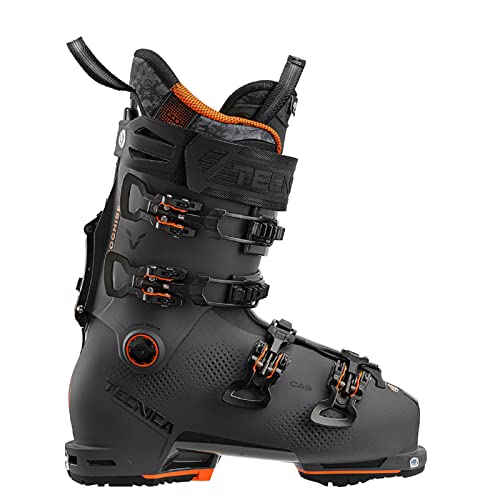
BEST USE - Tecnica Cochise 110 DYN GW is an great boot for strong intermediate to expert skier who has a medium to narrow forefoot and medium to narrow shaft of the leg that is looking for a sturdy boot for inside the resort and in the backcountry

Advanced Ski Flex Ratings
When considering the performance demands of advanced skiing, a thorough understanding of ski flex ratings becomes vital, as they considerably influence a skier’s experience and ability on the mountain. Advanced ski flex ratings typically range from 110 to 140+, indicating a higher level of stiffness to cater to skilled skiers who emphasize power transfer and responsiveness. Flex adjustment strategies play an important role in matching boot stiffness variations to body weight; heavier skiers usually require stiffer boots for peak control, while lighter skiers risk discomfort if matched with excessive stiffness. Advanced models often utilize reinforced materials, thicker shells, and sophisticated design features to guarantee maximum performance. Finding the right balance enhances safety, comfort, and enjoyment on diverse terrains. Additionally, wider bases on beginner skis can provide greater stability and control, which are critical factors for novice skiers transitioning to more advanced techniques.
Recommended Products

Rider Type: Resort Utilitarian

Powerful directional camber profile with a slightly relaxed, longer floaty ATV nose: Provides explosive pop, precise control, and outstanding float in powder for big riders.

ADAPTIVE FLEX - These ski boots feature an adaptive flex rating of 85, making them ideal for intermediate to advanced female skiers. They provide a balanced combination of responsiveness and comfort for various skiing conditions
Professional Racer Flex Ratings
Professional racers demand ski boots that provide unparalleled performance on the slopes, where every fraction of a second counts. These race boots typically feature the highest flex ratings, often ranging from 120 to 140+, reflecting the need for maximum stiffness and precise control. Advanced materials, such as thicker shells and stiffer liners, enhance responsiveness. Despite high flex, race boot customization through flexibility adjustments allows professional racers to tailor their gear to individual biomechanics, maintaining comfort and optimizing performance. However, variances in flex ratings across brands require careful testing; a 120 flex in one brand may feel different in another, emphasizing the need for personal fitting. Ultimately, achieving the right fit can greatly enhance racing success. Additionally, considering ski height and weight matching is crucial for optimal performance and comfort in race conditions.
Recommended Products

BOA Fit System

MID VOLUME PERFORMANCE - With a 100-mm shell, Primaloft liner, and BOA Fit System, the Speedmachine 3 BOA delivers exceptional performance and control. Its redesigned Tri Force shell is fully customizable, allowing you to truly make this boot your own.

PRECISION & POWER - No matter the terrain, Speedmachine 3 120 men's ski boot unlocks everything the mountains have to offer; Built to channel energy from your leg to the shell, these ski boots deliver top control & efficiency for a powerful performance
Gender Differences in Ski Flex Ratings
Understanding gender differences in ski flex ratings is essential for optimizing performance and comfort on the slopes, as these variations are rooted in anatomical and physiological distinctions between male and female skiers. Female athletes typically possess a wider pelvic structure, affecting balance and weight distribution on skis, while their longer upper legs can influence the center of gravity during turns. Consequently, women generally benefit from skis with softer flex ratings that enhance maneuverability and promote smoother turns. Additionally, ski designs feature forward-mounted bindings to improve weight alignment, bolstering control during navigation. By considering gender anatomy in ski performance, skiers can select equipment that maximizes stability and confidence, making for an enjoyable experience on varying terrains. Furthermore, using soft flex construction in ski boots can significantly enhance comfort while supporting skill development for female skiers.
Brand Variability in Flex Ratings
Brand variability in ski flex ratings can considerably impact a skier’s performance and comfort, often complicating the selection process for those seeking the perfect fit. Without a universal standard, brand comparisons reveal that a boot labeled as a specific flex can feel markedly different across various manufacturers. For instance, Nordica boots may exhibit a stiffer feel than their ratings suggest, while Salomon and Atomic might differ in on-snow response despite matching numbers. Flex variations arise not just from materials used, but also from design elements like buckle systems and liner types, which can change perceived stiffness. As a result, skiers must consider not only the flex rating but also individual brand characteristics to guarantee an optimized skiing experience. Additionally, polarized ski goggles can enhance visibility and performance on the slopes, further influencing how a skier interacts with their equipment.
Recommended Products

ADAPTIVE FLEX - These ski boots feature an adaptive flex rating of 65, making them ideal for intermediate to advanced female skiers. They provide a balanced combination of responsiveness and comfort for various skiing conditions
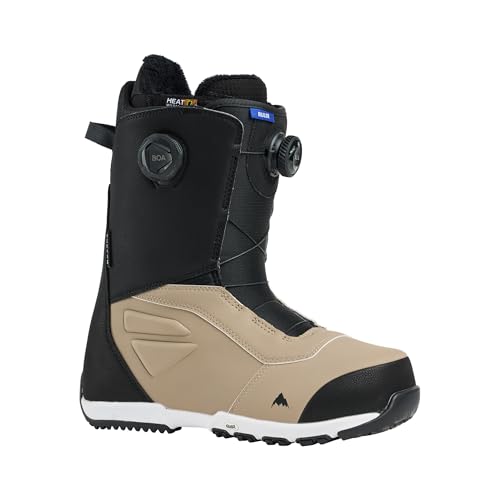
Durable synthetic leather backstay with rubber heel for increased wear resistance; 1:1 medium flex PowerUp tongue creates a snug fit between boot and tongue; Lock-up cuff super low-profile inner cuff provides maximum heel hold and easy on-and-off
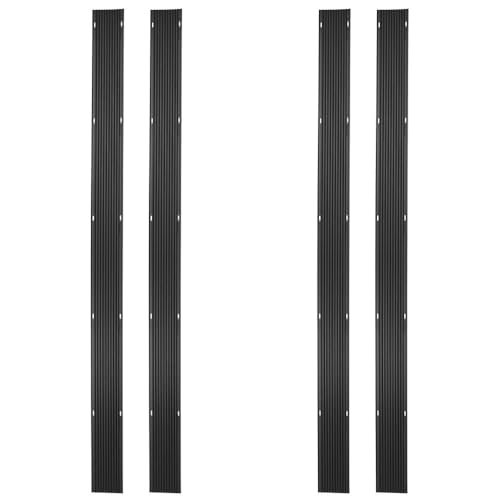
DURABLE CONSTRUCTION: High-density polyethylene (HDPE) that won't chip or crack even in extremely cold temperatures, ensuring long-lasting performance and ski glide protection
The Impact of Temperature on Flex
Temperature plays an essential role in determining the flex characteristics of ski boots, which can greatly impact a skier’s performance on the slopes. Skis are often tested at a warm temperature, typically around 22°C, yet actual skiing conditions can drop to -5°C or lower. This discrepancy leads to significant flex variability since plastics become stiffer in the cold due to reduced molecular mobility. The cold effects on boot performance can cause even soft-rated boots to feel rigid on the slopes, highlighting the importance of understanding temperature sensitivity in material behavior. As riders navigate varying temperatures throughout the day, their experience of flex can change, reinforcing that boot selection requires more than just a flex rating for peak performance.
Practical Tips for Selecting the Right Flex
How can a skier ascertain they are selecting the perfect flex for their ski boots? First, it’s vital to evaluate weight and height since these factors influence body leverage and ski performance. Tailoring the flex through custom fitting guarantees that both comfort and control meet your unique needs. Beginners should seek softer flex ratings for easy handling, while advanced skiers may benefit from stiffer options to enhance power transfer. Additionally, consider the brand variability—flex ratings can differ markedly among manufacturers. Trying on boots and adjusting buckles for a snug fit can maximize performance. Regular reassessment of flex, especially as skill evolves, is fundamental to maintain ideal support and responsiveness on the slopes. Choose wisely for an enjoyable skiing experience.
Limitations of Ski Flex Ratings in Matching Weight
Selecting the right ski flex rating can often lead to confusion, especially since weight alone is not a dependable indicator of what a skier truly needs. Flex rating inconsistencies across brands highlight a significant limitation; identical labels can represent varying stiffness levels, leaving skiers puzzled. Additionally, skier morphology considerations, such as height and calf anatomy, further complicate this process. For instance, taller skiers may require stiffer boots, even at similar weights, while those with larger calves might struggle with movement. Ultimately, relying solely on weight can lead to mismatched gear, causing fatigue or restricted motion. As a result, integrating personal comfort, skiing style, and individual biomechanics is essential for selecting the ideal flex rating and enhancing the skiing experience.
Frequently Asked Questions
Can I Use Ski Boots With a Flex Rating Outside My Weight Category?
Skiers can use boots with flex ratings outside their weight category, but ski boot compatibility may affect performance. Flex rating implications include comfort and control, necessitating careful consideration of personal skill and technique for best experience.
How Do I Know if My Ski Technique Affects Flex Choice?
“Practice makes perfect,” and consequently, technique adjustments directly influence flex preferences. Skier postures and force distributions shift flex needs, impacting performance. Recognizing these relationships fosters a connection to the skiing community, enhancing overall enjoyment and skill development.
Are There Any Specific Brands Known for Softer Ski Flex Ratings?
Brands like Salomon boots and Atomic flex offerings are recognized for their softer ski flex ratings. Additionally, Dynafit ski models and K2 skis often cater to skiers seeking comfort and ease in their performance.
How Often Should I Adjust My Flex Rating as I Improve in Skiing?
Flex adjustment frequency should align with skiing skill progression, typically annually or seasonally. As skiers advance, reassessing flex guarantees peak performance and control, fostering confidence and enjoyment while engaging with the wider skiing community.
Can Ski Boot Modifications Change the Flex Rating Significantly?
Ski boot modifications can considerably alter flex when employing various adjustment techniques. By carefully implementing changes like bolt replacements and cuff grinding, skiers can achieve tailored performance, enhancing their overall riding experience and sense of belonging within the sport.