As an Amazon Associate, we earn from qualifying purchases. Some links on this site are affiliate links at no extra cost to you. Our recommendations are based on thorough research and editorial judgment.


How Do Splitboards Work for Backcountry Snowboarding?

Splitboards are innovative snowboards that split into two skis for efficient uphill travel in backcountry snowboarding. They feature integral components like ultralight climbing skins for grip, and various binding systems for quick changes between ride and tour modes. This design allows for seamless movement across untouched terrain, enhancing performance and exploration. Safety is paramount, and regular maintenance keeps the board and skins in peak condition. Discovering the nuances of splitboarding can elevate your adventures.
Key Takeaways
- Splitboards convert into two skis for uphill travel, utilizing climbing skins for grip while ascending snow-covered terrain.
- Quick binding systems allow seamless transitions between ride and tour modes, improving efficiency during uphill travel.
- Uphill efficiency is enhanced by lightweight materials and heel risers, reducing calf strain and conserving energy for descents.
- Safety precautions include carrying avalanche gear and understanding snowpack stability to mitigate risks in backcountry areas.
- Regular maintenance, such as waxing and edge inspections, keeps equipment in optimal condition for performance and safety.
Understanding the Splitboard Concept
You may be interested


When it comes to backcountry snowboarding, the splitboard stands out as an innovative solution, allowing riders to navigate challenging terrains with ease and efficiency. By transforming into two separate skis for uphill travel, splitboards, including various splitboard types, adapt to diverse terrain selection scenarios, offering versatility. These boards allow snowboarders to explore untracked powder, combining the technical ascent of skiing with the exhilarating descent of snowboarding. The integral climbing skins and unique binding systems enhance performance, promoting a seamless shift between modes. This functionality not only simplifies the equipment needed for backcountry adventures but also increases self-sufficiency in remote areas. Riders benefit from a cohesive experience that bridges uphill exertion with downhill exhilaration, fostering a strong sense of belonging within the snowboarding community. Additionally, the weight impacts performance of splitboard bindings, ensuring efficient uphill movement and stability during descents.
Components of a Splitboard
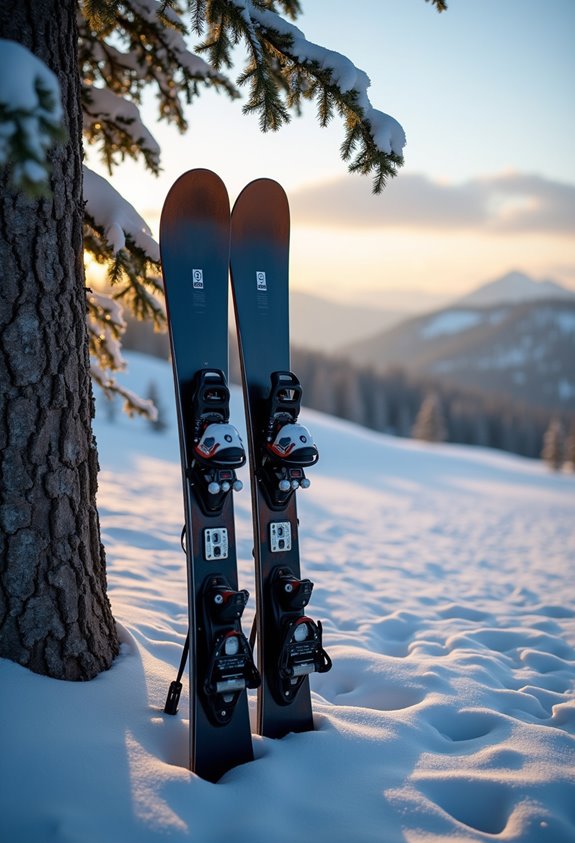
The components of a splitboard play an essential role in delivering an efficient and enjoyable backcountry snowboarding experience. Splitboard board design typically features two halves, allowing riders to transform the board into skis for uphill travel, with inner metal edges providing grip. The structural integrity of factory-made boards is enhanced with sealed edges and pre-installed clips. Bindings, preferably lightweight and durable, are optimized for interfacing with systems like Voile or Karakoram, allowing quick and secure shifts between ride and tour modes. Specialized hardware types in binding systems include pucks and plates that facilitate locking mechanisms, ensuring stability during descents. Overall, these components work together to create a seamless experience for splitboard enthusiasts traversing varied terrains. Additionally, ensuring binding compatibility with various snowboard types is crucial for optimizing performance during both ascent and descent.
Transitioning to Touring Mode

With the components of a splitboard set up and ready for adventure, the next step involves altering from ride mode to touring mode, a process that enables snowboarders to efficiently ascend backcountry terrain. To execute effective change strategies, one must select a stable, flat area to prevent gear from slipping away. After unstrapping bindings, the splitboard separates into two skis, preparing for skin removal. Carefully remove the skins to avoid damage, then secure them in your pack. Always clean any snow and ice from the edges to guarantee proper adhesion for the skins. Adjust body layers to maintain comfort during these alterations, and store poles efficiently to keep your hands free, fostering a smooth and quick change essential for enjoying backcountry adventures. Additionally, ensuring that the splitboard is compatible with ski bindings will enhance safety and performance during your ascent.
Recommended Products

Pro Climber for Cold Conditions | POMOCA’s professional climbing skin is made completely of mohair for backcountry skiing in cold conditions.
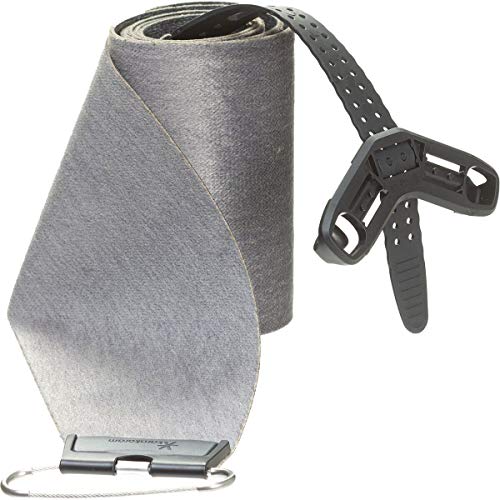
Smart splitboard skins styled for backcountry touring

Freeride Skins | POMOCA’s only climbing skin designed specifically for freeride touring.
Setting Up for Uphill Travel
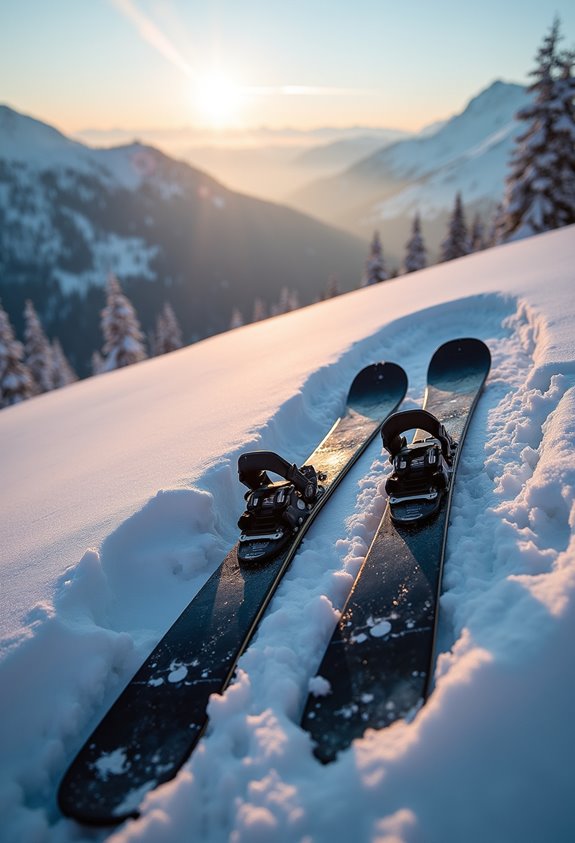
Setting up for uphill travel on a splitboard can greatly enhance the overall experience in backcountry snowboarding, especially as proper preparation leads to smoother ascents and increased efficiency on any slope. To maximize climbing efficiency, riders should detach bindings, adjust forward lean, and release clips for splitting their board into two skis. It’s essential to position heel risers based on incline steepness; using both risers on steep pitches reduces calf strain, enhancing uphill techniques. Collapsible trekking poles, set to a right angle at planting, offer support during climbs. Opting for gradual terrain aids in maintaining rhythm with efficient route selection. By planning the route and considering terrain features, splitboarders can guarantee a pleasurable and energetic uphill journey. Additionally, incorporating tools from the TwentyTwo Designs Repair Kit can ensure you are prepared for mechanical issues while navigating challenging terrain.
The Role of Climbing Skins

Climbing skins serve as the essential interface between a splitboard and the snowy terrain, allowing riders to traverse uphill with confidence and efficiency. Composed of various climbing skin materials, including durable nylon and glide-enhancing mohair, these skins offer distinct advantages based on usage. Nylon skins provide reliable traction and affordability, while mohair skins excel in weight and glide, though at a higher cost. Blend options balance these features, catering to different backcountry needs. Skin attachment systems—featuring tip loops and adjustable tail clips—securely fasten skins to the board, ensuring ideal performance. Proper fit is vital, as skins must be tailored to the board’s dimensions; a well-fitted skin markedly improves grip and glide, enhancing the uphill experience for adventurers. Additionally, using lightweight tools such as compact avalanche safety gear can significantly enhance overall safety while enjoying backcountry adventures.
Recommended Products

HIGHLY EFFECTIVE: Prevents icing on climbing skins and provides extra glide
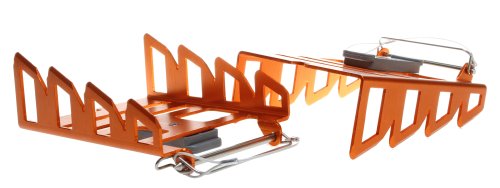
Dual Modes: Fixed & Mobile

The Skin for Every Tour | This versatile, all-round climbing skin performs well in most snow conditions.
Techniques for Efficient Striding
Effective striding techniques are essential for snowboarders looking to maximize their energy expenditure during backcountry tours, as proper foot movement can greatly enhance performance on varying terrains. By practicing efficient footwork, snowboarders can shuffle their feet rather than lifting their legs, conserving energy on flat sections. Elevating the toe while digging the heel into the snow maximizes traction, and maintaining weight centered guarantees ideal body positioning for grip. Additionally, using collapsible poles helps distribute effort evenly between arms and legs, while smooth, controlled kickturns enhance balance on steep terrain. Following existing skin tracks reduces energy expenditure and allows for seamless ascents. Embracing these techniques not only improves performance but fosters a sense of community among backcountry enthusiasts. Furthermore, ensuring proper fit and adjustability in your ski patrol gloves can contribute to better handling and grip during strenuous movements.
Converting Back to Snowboard Mode
Converting back to snowboard mode demands careful attention to detail to guarantee a seamless shift from touring to downhill riding. To start, align the two split halves on a flat surface to prevent slipping, making certain the edges are lined up to eliminate gaps. Engage the tip and tail clips first, followed by mid-latches for additional board stiffness. When reinstalling bindings, secure them tightly and adjust the highback forward lean to optimize performance. Regularly check connection points, as even partial engagement of clips can compromise stability. For effective troubleshooting of clips, clear any ice buildup and make sure of proper alignment. Following these tips for reassembly can enhance the overall riding experience, allowing riders to move smoothly and confidently into downhill terrain. Additionally, ensuring proper boot fit and support is crucial for maintaining control during the transition.
Key Features of Splitboard Bindings
Understanding the key features of splitboard bindings is essential for optimizing the backcountry snowboarding experience, especially following the process of converting back to snowboard mode. Splitboard bindings utilize diverse interface designs, such as puck-style and non-puck systems. Puck-style bindings attach easily with lightweight materials, while non-puck interfaces, like Karakoram’s, offer improved ride quality through mechanical locking. Additionally, binding materials greatly impact performance; lightweight baseplates and highbacks made from carbon fiber or Dupont Zytel provide support without adding bulk. Straps in splitboard bindings are thin, ensuring secure foot lockdown during both ascents and descents. With various options available, selecting bindings based on these features can greatly enhance both comfort and performance on the slopes. Furthermore, adjustable straps contribute to a customized fit that enhances control and caters to various skill levels.
Recommended Products
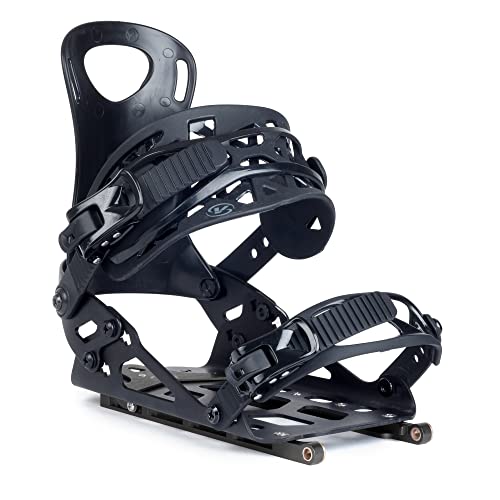
Sold as a Pair of Splitboard Bindings.
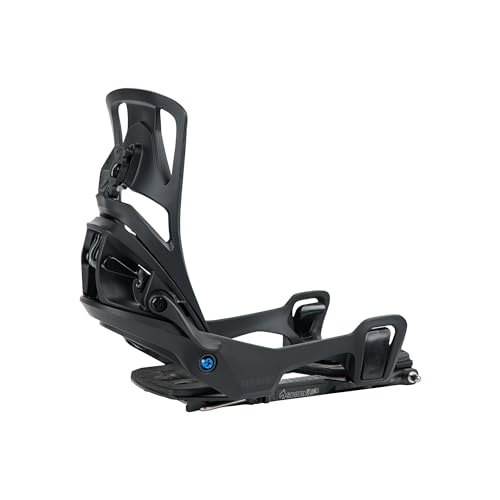
Spark R&D Tesla T1 System machined aluminum baseplate is designed so the binding fits offset touring brackets and locks using a snap ramp
Spark R&D Tesla T1 System machined aluminum baseplate is designed so the binding fits offset touring brackets and locks using a snap ramp
Performance Advantages of Splitboards
When exploring the unique performance advantages of splitboards, it becomes evident that they serve as a game-changer for backcountry snowboarding enthusiasts. The splitboard advantages include exceptional uphill efficiency, allowing riders to glide effortlessly on split skis equipped with climbing skins, which reduces fatigue greatly compared to traditional hiking methods. This efficient uphill travel not only conserves energy for thrilling descents but also enhances safety through better weight distribution. Riders benefit from improved stability on varied terrains, minimizing risks associated with weak snowpack areas. The ability to traverse untouched terrain expands opportunities for exploration, empowering riders to tackle diverse conditions with confidence. Splitboards truly redefine how enthusiasts engage with backcountry snowboarding, encouraging adventurous spirits to explore further. Additionally, the use of ultralight climbing skins plays a crucial role in maximizing performance and efficiency during ascents.
The Benefits of Backcountry Access
Backcountry access presents a world of opportunities for snowboarders looking to enhance their riding experience, moving beyond the limitations of resort boundaries. This terrain exploration allows riders to discover pristine, untouched powder and diverse landscapes, such as open bowls and glades, while enjoying solitude experiences away from crowded resorts. The physical fitness benefits of uphill travel on splitboards enhance endurance and balance, making each excursion a rewarding challenge. Additionally, backcountry snowboarding offers significant cost efficiency by eliminating lift tickets, allowing enthusiasts to invest in quality gear rather than resort fees. Finally, this pursuit fosters environmental awareness, encouraging respect for natural ecosystems through low-impact practices. Together, these factors create a fulfilling and adventurous snowboarding lifestyle, deepening one’s connection to nature. Wide waist widths are essential for preventing sinking during turns in deep powder, enhancing the overall experience in backcountry conditions.
Safety Considerations for Splitboarding
Safety considerations for splitboarding are fundamental to ensuring a rewarding and secure experience in remote terrains, as the backcountry holds both excitement and inherent risks. Engaging in thorough avalanche education is essential; understanding snowpack stability and recognizing warning signs can notably mitigate dangers. Critical safety gear, including a beacon, probe, and shovel, should accompany every trip. Group dynamics play an important role in enhancing safety; never ride alone, communicate hazards, and assign roles for efficient decision-making. Regular practice with equipment fosters familiarity, reducing stress during emergencies. By planning for daylight and physical preparedness, splitboarders can enjoy thrilling adventures while prioritizing safety, making informed decisions that keep every member of the group secure.
Maintenance Tips for Optimal Performance
Maintaining a splitboard is essential for guaranteeing peak performance and a satisfying experience in the backcountry. Regular application of waxing techniques keeps both the board base and climbing skins performing at their best, especially in spring conditions where moisture prevention is critical. Focus on edge maintenance through careful detuning and inspections to make certain they stay sharp yet safe for travel. Clean bindings and interfaces regularly to avoid ice buildup that might hinder changes. Storing splitboards in a dry, temperature-stable environment protects against delamination. Carry repair essentials like multi-tools and spare parts for emergency fixes, while proper binding care assures performance under varying conditions. Following these practices enhances touring preparation, leading to more enjoyable and reliable backcountry adventures.
Enhancing Your Backcountry Skills
Elevating snowboarding skills in the backcountry involves a dedicated approach to mastering various techniques that enhance performance and enjoyment on diverse terrains. Focus on edge control and precision turning, as mastering the shift between toeside and heelside makes maneuvering through variable snow conditions smoother. Incorporate balance training exercises, such as walking lunges, to strengthen core stability, which is essential for longer outings. Shift efficiency is important; practice making quick, smooth changes between skin and ride modes to conserve energy. Additionally, engage in momentum management through S-turns and weight shifts to expertly adjust speed. Embrace these techniques, enabling riders to tackle challenging terrain with confidence and flair, fostering a sense of belonging within the snowboarding community.
Frequently Asked Questions
Can Splitboards Be Used for Downhill Skiing?
Splitboards cannot effectively be used for downhill skiing due to their design, which relies primarily on splitboarding techniques. Their bindings and performance are optimized for snowboarding, limiting their effectiveness for traditional downhill performance on skis.
How Long Does It Take to Transition Modes?
Changing between modes initially takes about ten minutes, akin to learning a new dance. With practiced changing techniques, this duration can shrink to seven minutes, enhancing mode efficiency and fostering a sense of camaraderie among enthusiasts.
What Is the Best Terrain for Splitboarding?
The best terrain for splitboarding includes backcountry trails with moderate slopes and deep powder conditions. These features enhance flotation and efficiency, allowing riders a rewarding experience while exploring the untouched beauty of natural landscapes together.
Are Splitboards Suitable for Beginners?
Around 30% of new splitboarders encounter challenges shifting between modes. With beginner tips emphasizing practice in easier terrain and mastering splitboard techniques, beginners can safely enjoy the backcountry while steadily improving their skills.
How Do I Choose the Right Splitboard Size?
Choosing the right splitboard size involves considering splitboard sizing charts based on weight, height, and riding experience. Riders should prioritize floatation and maneuverability to match their preferred style and terrain for peak performance and enjoyment.

