As an Amazon Associate, we earn from qualifying purchases. Some links on this site are affiliate links at no extra cost to you. Our recommendations are based on thorough research and editorial judgment.


How Do Binding Stance Angles Affect Snowboarding Performance and Comfort?

Binding stance angles greatly influence snowboarding performance and comfort by impacting tibial dynamics, alignment, and injury risk. Ideal angles, such as +12° to +21° for the front foot, enhance turning responsiveness and stability, while varying back foot angles accommodate different riding styles. Proper alignment reduces strain on joints and promotes ergonomic comfort. Beginners can benefit from starting with +15° front and 0° back angles. Discovering the perfect setup not only improves performance but also enhances the overall riding experience.
Key Takeaways
- Binding stance angles directly influence tibial dynamics, affecting ACL injury risk and overall knee stability during snowboarding.
- Positive front foot angles enhance edge control, improving turning responsiveness and carving efficiency while reducing the likelihood of skidding.
- Proper angle configuration aligns joints naturally, which increases comfort and alleviates strain on the spine and hips during rides.
- Tailoring angles to individual preferences allows riders to optimize stability and maneuverability, particularly beneficial for beginners and freestyle riders.
- Small adjustments in stance angles can significantly refine performance and enhance overall riding enjoyment across diverse terrains.
Influence on Tibial Rotation and Injury Risk
You may be interested


Understanding how binding stance angles affect tibial rotation is essential for enhancing snowboarding performance while minimizing injury risk. Proper binding angles greatly influence tibial dynamics, as snowboarders often experience internal tibial rotation in their front leg due to asymmetric stances. This scenario can lead to preloading of the anterior cruciate ligament (ACL), heightening injury mechanisms. For individuals with larger Q-angles, this risk is further exacerbated by altered force distributions. Choosing appropriate binding angles, such as a +12° to +15° front foot, can improve knee alignment and stability, decreasing strain on ligaments. By customizing stance, riders can strike a balance between performance and safety, ultimately leading to more enjoyable and secure snowboarding experiences on the slopes. Additionally, using chemical hand warmers can help keep snowboarders’ hands warm, ensuring better grip and control on the board.
Common Angle Ranges by Riding Style

Snowboarding enthusiasts will find that binding stance angles play a pivotal role in their overall performance, as different riding styles necessitate specific setups to optimize balance, control, and stability. Beginners often start with a binding position of +15° for the front foot and 0° to +3° for the back, which promotes ease of balance. Conversely, freestyle riders typically adopt a symmetrical duck stance, commonly set at +15°/-15°, enhancing their ability to execute tricks and switch riding. All-mountain riders favor a front foot angle of +12° to +15° and back foot angles ranging from 0° to +6°, achieving stance symmetry for versatile terrain handling. Alpine-focused individuals use steep angles like +30° to +60°, emphasizing aggressive edge control and performance on downhill runs. Understanding flex ratings is essential, as they significantly impact ride experience and rider comfort based on skill level.
Recommended Products

6 piece ratchet driver, #2 and #3 phillips, #3 pozidrive, 3/32 hex

Light and very duriable snowboard and ski binding tool. Foldout one piece bits for maximum leverage and reach. Cold weather with gloves on tested! Bits: #3 Stubby which is snowboard specific, #2 Phillips, 1/4 inch flat Head and Boom bottle opener to open a refreshing beverage.

COMPLETE 34-PIECE SNOWBOARD REPAIR KIT Why carry multiple tools when one does it all? This comprehensive 34-piece multitool kit includes everything you need for on-the-mountain adjustments and emergency repairs. Featuring a professional ratcheting screwdriver, a flexible extension shaft, and 32 precision bits, it replaces an entire toolbox while fitting in your pocket.
Effects on Turning and Carving Performance

When evaluating the effects of binding stance angles on turning and carving performance, it becomes clear that thoughtful adjustments can considerably enhance a rider’s control and responsiveness. Positive front binding angles foster improved toe-side edge engagement, facilitating faster turn initiation while promoting smoother shifts. Aligning hips naturally with turns through forward angles promotes efficient weight transfer, which sharpens carving accuracy. Meanwhile, double positive angles stabilize the board during high-speed runs, enabling more confident edge hold. Curiously, slight negative or duck back foot angles can reduce skidding, providing benefits in technical terrain. Conversely, improper angles can hinder heel-edge pressure control, detracting from overall efficiency. Ultimately, experimenting with these angles allows riders to customize their setups, improving performance while embracing individual style. Additionally, optimizing adjustable forward lean can further enhance comfort and control, especially during dynamic maneuvers.
Comfort and Ergonomics Considerations

Adjusting binding stance angles plays a pivotal role in enhancing comfort and ergonomics for snowboarders, as the correct configuration can greatly influence overall riding experience. Ideal binding ergonomics, such as a positive front foot angle between +9° to +21°, help maintain natural joint alignment, reducing internal tibial rotation and lowering the risk of knee injuries during landings. Comfortable customization of angles allows for individualized adjustments, supporting unique riding styles, whether freestyle or all-mountain. Proper angle alignment promotes balanced posture, alleviating strain on the spine and core, fostering a more enjoyable ride. As riders become more experienced, fine-tuning their binding settings can make a significant difference in overall comfort, contributing to longer sessions on the slopes with reduced fatigue. Additionally, the right binding compatibility ensures optimal performance across different snowboard types, enhancing the overall riding experience.
Impact on Snowboard Control and Stability

The arrangement of binding stance angles substantially impacts snowboard control and stability, presenting an opportunity for riders to optimize their performance on varied terrains. For instance, front binding angles between +15° and +21° enhance hip alignment, improving turn initiation and edge control. Higher angles foster deeper carving and responsiveness, but may compromise stability for beginners on uneven terrain. Rear binding angles between 0° and +6° are essential for maintaining control without rigidity, with slightly positive angles offering better stability during short turns. A minimum 5° difference between front and rear angles is crucial for aggressive carving, while smaller differences support balance in freestyle riding. Understanding these binding angle effects allows riders to fine-tune their setup, achieving greater confidence and enjoyment on the slopes. Additionally, investing in durable hardware materials ensures that bindings remain securely attached, further enhancing overall performance on the mountain.
Recommendations for Experimentation and Customization
In exploring binding stance customization for snowboarding, riders will find that beginning with a neutral stance width—a baseline tailored to their height and boot size—can greatly enhance their ability to adapt to varying conditions. Angle experimentation is essential; riders should initially set front binding angles between +15° and +21° to enable effective turns. Back binding angles should reflect individual riding styles, whether positive for surf carving, zero for all-mountain, or a duck stance for park. Incremental adjustments of 3° to 6° will help isolate comfort feedback without sacrificing stability assessment. Paying attention to personal anatomical factors such as hip and ankle flexibility will guarantee that riders maximize both performance and comfort, building confidence on the slopes. Additionally, using high-quality impact wrist guards can provide essential protection and confidence when trying new angles and techniques.
Recommended Products
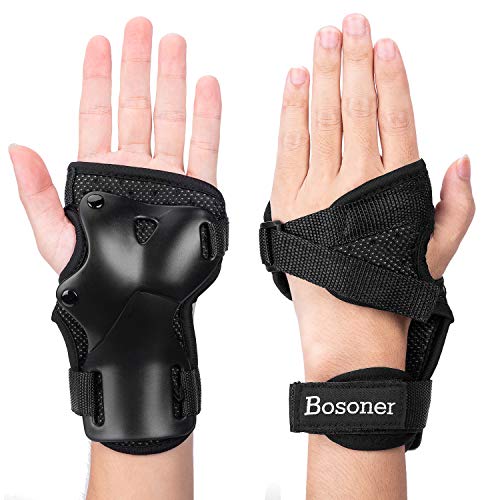
[Portable Carry] - BOSONER wrist guards protective gear includes 2 pieces wrist pads, with a portable mesh carry bag
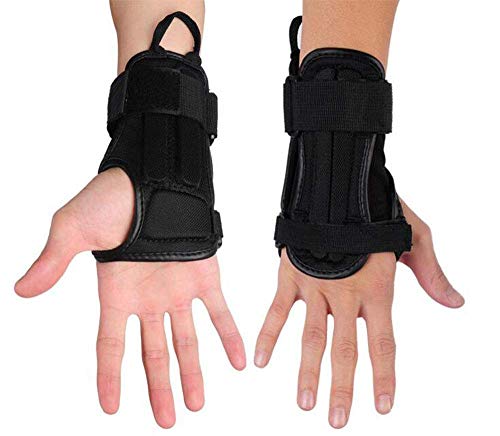
Package included: 2 PCS (1 Pair) Wrist Supports for both left and right hands. Made of tough protection pads, this gloves provide protection of your hand and wrist, helps relieve pain and swelling and bring you the best palm padding possible.

【Wrist & Palm Protection】 Equipped with one pair of detachable wrist guards, devembr ski gloves tend to minimize the chances of wrist injury. The palm is reinforced with premium PU leather to protect against abrasion and ensures durability.
The Role of Stance Width in Injury Prevention
Stance width plays a pivotal role in injury prevention, greatly influencing the mechanics of snowboarding. A proper stance width can markedly reduce knee stress, aligning body mechanics to support natural posture, thereby lowering injury risk. Wider stances may increase medial knee stress during turns and landings, while narrower stances can compromise balance, leading to awkward movements. Ideal stance width aligns with the distance from the floor to the knee center, promoting stability and minimizing torsional forces on the knee. Adjusting stance width within a moderate range, alongside suitable binding angles, is essential for enhancing performance while safeguarding against injuries. Understanding these dynamics creates a safer snowboarding experience and fosters a sense of community among riders pursuing shared safety and performance goals. Additionally, using adjustable poles can enhance stability during turns and landings, further mitigating the risk of injury.
Adjusting Angles for Different Snowboarding Styles
Adjusting binding angles is essential for optimizing performance across various snowboarding styles, allowing riders to enhance their control, comfort, and versatility on different terrains. For freestyle riding adaptations, a duck stance with a +15° front and -15° back binding supports balanced trick execution. All mountain optimization often involves a +15°/-3° setup, ensuring flexibility for groomed runs and backcountry. Carving precision tweaks necessitate more aggressive front angles, typically +21°, to enhance edge grip. Additionally, switch riding comfort can be improved by symmetrical angles, reducing strain during stance changes. Injury prevention angles are significant for maintaining proper alignment and comfort, while customization suggestions empower riders to establish their ideal performance alignment strategies, leading to an enjoyable and confident snowboarding experience.
Recommended Products

90, 120 and 135 degree angles for

3 Pieces alpine ski jaws vise set and included 2 brake retainers in a color box.This vice will be the essential accessory needed for ski waxing and tuning. It can be used for both alpine skis and snowboards.

Alpine ski jaws vise PRO set made of aluminum alloy and included 2 brake retainers in a color box.
Importance of Properly Set Binding Angles
Properly set binding angles play an essential role in enhancing overall snowboarding performance, as they directly impact a rider’s biomechanics, comfort, and ability to maneuver on varied terrains. Ensuring correct binding alignment promotes natural positioning of hips, knees, and ankles, thereby reducing strain and optimizing energy transfer from legs to board edges. Angle adjustments contribute to balanced weight distribution, essential for smooth turns and stability. When riders choose suitable angles, they also minimize joint stress, leading to longer, more enjoyable sessions with less fatigue. Consequently, personalized setups empower riders to progress in their skills. Consistent and accurate adjustments can greatly enhance both comfort and performance, allowing for a more enjoyable snowboarding experience on any terrain. Moreover, selecting appropriate angles can improve battery life in portable hand warmers, which is beneficial for riders who spend extended time outdoors in cold conditions.
The Relationship Between Binding Angles and Performance
What factors truly dictate the relationship between binding angles and snowboarding performance? Positive front foot angles, typically ranging from +13° to +21°, enhance turn responsiveness by aligning the foot with the board’s nose, providing better control for carving. Conversely, negative back foot angles, often between -9° and -15°, improve binding flexibility, aiding freestyle riders with switch turns. A symmetrical duck stance fosters balanced weight distribution, enhancing performance during jumps. Additionally, higher front foot angles contribute to stability, reducing fatigue and improving comfort, particularly in dynamic situations. Ultimately, understanding these relationships allows snowboarders to tailor binding configurations, optimizing both performance and safety for their individual riding styles and terrain choices. Moreover, incorporating rose-tinted lenses can enhance color perception, which is beneficial for improved visibility on the slopes.
Experimenting With Angles: Finding Your Sweet Spot
Finding the ideal binding angle can transform a snowboarder’s experience on the slopes, enhancing not only their control and comfort but also overall performance. To discover their personal preferences, riders should start experimenting within common front foot angles of +15° to +24° and back foot angles from +6° to -15°. Small angle adjustments of about 3° allow for manageable changes over multiple sessions, enabling snowboarders to assess improvements in control, stability, and maneuverability. Beginners often benefit from less aggressive angles, while more experienced riders may prefer steeper setups for aggressive carving or duck stances for park tricks. Tracking these adjustments helps refine preferences, ensuring that each snowboarder finds their unique sweet spot that fosters confidence and enjoyment on the slopes. Additionally, choosing the right flex rating for your boots can significantly impact your overall riding experience.
Recommended Products

Increased Safety: Constructed of aluminum Heelcup and fiberglass scaffolding inside the base plate; giving them flexibility and stability. Medium rigid bindings that are considered lighter in weight, providing more reliable security.

Keychain size mini-tool

UNIVERSAL design - clamps on table edge
Understanding the Impact of Binding Setup on Comfort
Understanding the impact of binding setup on comfort is essential for snowboarders seeking an enjoyable experience on the slopes. Proper binding comfort is achieved through careful angle correlation, as the angles directly influence knee, hip, and ankle alignment. A duck stance, such as +15/−15, offers evenly distributed weight, alleviating strain during switch riding. Conversely, unnatural angles can lead to joint twisting, resulting in discomfort and fatigue. A wider stance can spread pressure across muscular areas, but if excessively wide, it may hinder agility. Adjusting bindings for ideal footbed pressure reduces fatigue and enhances ride longevity. Ultimately, customizing angles and widths according to individual anatomy helps foster a more comfortable, enjoyable snowboarding experience.
Tailoring Your Stance for Optimal Riding Experience
To achieve an ideal riding experience, it is essential for snowboarders to tailor their stance according to their individual preferences and riding styles, as the right adjustments can greatly enhance performance and comfort on the slopes. Beginner riders might start with a front binding angle of +15° and a back binding at 0°, providing stability as they learn, while all-mountain enthusiasts may experiment within +3° to +18° at the front and -3° to -18° at the back for versatile terrain adaptation. Freestyle riders often favor symmetrical duck stances, enhancing trick execution. Through careful binding adjustments and stance experimentation, riders can maximize edge control, body alignment, and comfort, ultimately elevating their performance in various conditions. Finding the perfect stance is a journey worth taking.
Recommended Products
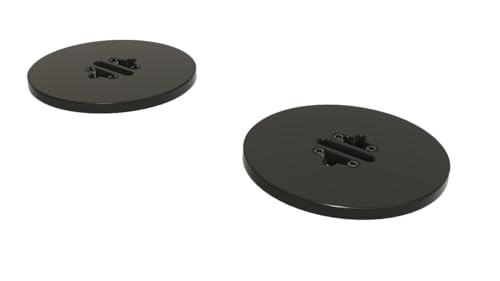
Improves snowboard handling

ANGLE WEDGE RISER PADS DIMENSIONS: 7.7cm x 5.5cm x 1.4cm/0.8cm (L x W x H)

Restore Your Boot's Responsive Fit: When packed-out liners leave you with sloppy heel lift and diminished control, these 1/8-inch thick ski boot shims work as a reliable ski boot volume reducer to restore that snug, responsive connection you need on the slopes—includes 1 pair (2 shims) per package so both boots get the precise fit adjustment that eliminates ski boot heel lift and brings back confident performance
Frequently Asked Questions
How Do Binding Angles Differ Between Various Snowboard Brands?
How can binding characteristics truly impact a rider’s experience? Across brands, binding angles vary, with comparisons showing that personalized preferences influence performance. Ultimately, each brand offers distinctive features tailored to different riding styles and comfort needs.
What Are the Best Binding Angles for Beginners?
The ideal stance for beginners typically involves a front foot angle of +15° and a back foot angle of 0°. Beginner tips emphasize comfort through gradual adjustments, ensuring an enjoyable and supportive learning experience while riding.
Can Binding Stance Affect My Snowboard’s Lifespan?
Yes, binding stance can considerably affect a snowboard’s lifespan. Proper binding maintenance and angles help distribute stress evenly, reducing binding wear and prolonging durability, enabling riders to fully enjoy their time on the slopes together.
Do Extreme Angles Increase the Risk of Injury?
In a hypothetical scenario, a snowboarder using extreme angles experiences a painful knee injury after a jump, highlighting that extreme angles considerably increase injury risk. Proper adjustments promote safety and enhance the camaraderie among fellow enthusiasts.
How Often Should I Adjust My Binding Angles?
Riders should make binding adjustments frequently, especially after acquiring new gear or changing terrain. Regularly reassessing ideal angles enhances performance, fosters comfort, and allows snowboarders to connect with their community through shared experiences and improvements.

