As an Amazon Associate, we earn from qualifying purchases. Some links on this site are affiliate links at no extra cost to you. Our recommendations are based on thorough research and editorial judgment.


How Do Photochromic Goggles Adapt to Changing Light Throughout the Day?

Photochromic goggles adapt to changing light by using light-sensitive molecules, which react to UV exposure. In bright sunlight, these lenses darken quickly, typically within 30 to 60 seconds, reducing glare and enhancing visibility for skiing or outdoor activities. Conversely, they return to a clear state in lower light within 2 to 3 minutes. Factors like temperature and lens material affect performance, making it essential to choose high-quality options. Discovering advanced features and benefits can help consumers make informed choices.
Key Takeaways
- Photochromic goggles darken quickly in high UV light intensity for eye comfort and protection, usually within 30 to 60 seconds.
- The lenses fade back to their clear state when UV exposure decreases, typically taking 2 to 3 minutes.
- Plastic photochromic lenses respond faster to light changes compared to glass lenses, enhancing adaptability.
- Temperature affects lens performance; cold slows darkening, while heat reduces tint intensity.
- Continuous innovations in material and dye technology improve the speed and durability of photochromic lens adaptation to changing light conditions.
The Science Behind Photochromic Lenses
You may be interested


Photochromic lenses represent a remarkable convergence of science and technology, designed to enhance visual comfort for users in varying light conditions. These innovative lenses utilize light-sensitive molecules, such as oxazines and naphthopyrans, which undergo molecular transformation when exposed to UV radiation. This reaction initiates a dynamic process of chemical bonding rearrangement, enabling the lenses to darken as they absorb more visible light, thereby reducing glare and enhancing vision. As UV exposure wanes, the lenses revert to their clear state, illustrating an impressive balance of adaptability. Available in both plastic and glass formulations, photochromic options cater to diverse preferences, allowing individuals to engage seamlessly with their environments while benefiting from cutting-edge optical science tailored for everyday adventures. Additionally, many modern goggles with photochromic lenses also incorporate advanced anti-fog coatings to ensure clear vision in humid conditions.
How Light Intensity Affects Adaptation

How does light intensity influence the adaptability of modern goggles? The performance of photochromic goggles hinges on light intensity, as it directly affects the adaptation response of the lenses. Under high UV light intensity, the molecular structure of the lenses darkens more quickly, providing essential comfort and protection during bright conditions, while fading back to clarity in lower light scenarios. This dynamic adaptation occurs within 30 to 60 seconds in sunlight, and the lenses can lighten within 2 to 3 minutes when UV exposure decreases. Remarkably, models using plastic lenses usually react faster than those made of glass. Such quick adjustments maintain optimal visual acuity, making photochromic goggles invaluable for those seeking a reliable solution for fluctuating light conditions. Additionally, anti-fog technology is crucial for maintaining clear vision during varying weather conditions, ensuring that skiers can navigate safely regardless of the light.
Recommended Products

【Photochromic Technology】 Photochromic lens technology adjusts tint automatically based on UV light intensity. Under strong sunlight, the lens darkens to reduce glare and protect your eyes. These ski goggles feature dual-layer polycarbonate lenses with UV400 protection, the X-VYSN coating enhances clarity in varying light conditions on snowy terrain, while the outer oleophobic coating prevents water streaks from adhering, maintaining optical clarity throughout your activity.

Cylindrical Lens Profile – Natural Depth, Wider Field of View: The refined cylindrical lens design helps expand side-to-side visibility while preserving natural depth perception. A multi-layer mirrored coating enhances contrast in changing light conditions, helping you recognize subtle terrain changes with greater clarity and confidence.

Spherical Dual REVO Lenses: The professional adult ski goggles design as Frameless. The lens of the ski goggles is very clear. The Winter Sports Goggles would take you wide and clean vision, you can see the beautiful snow scene without blocking your view when you are snowboarding downhill. The full REVO coating makes it much more cool and scratch proof.
Benefits of Photochromic Goggles for Eye Protection

The adaptability of modern eyewear not only enhances user comfort but also provides significant eye protection. Photochromic goggles are designed to deliver complete UV protection, which substantially reduces the risk of eye damage from harmful sunlight. By minimizing glare, these goggles elevate visual comfort and effectively alleviate eye strain, making them ideal for a variety of activities. They seamlessly shift between indoor and outdoor environments, eliminating the need for lens switches. With features like impact resistance and advanced molecular photochromic filters, these goggles cater to outdoor sports enthusiasts and workplace safety needs alike. Overall, photochromic goggles present an exceptional blend of convenience, protection, and style, ensuring users can enjoy their activities without compromising their eye health. Additionally, incorporating anti-fog technology can further enhance visibility during varying weather conditions, making them even more suitable for skiing and snowboarding.
Recommended Products
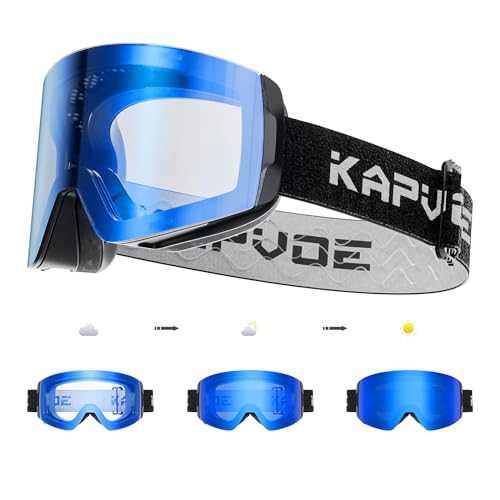
【Photochromic Technology】 Photochromic lens technology adjusts tint automatically based on UV light intensity. Under strong sunlight, the lens darkens to reduce glare and protect your eyes. These ski goggles feature dual-layer polycarbonate lenses with UV400 protection, the X-VYSN coating enhances clarity in varying light conditions on snowy terrain, while the outer oleophobic coating prevents water streaks from adhering, maintaining optical clarity throughout your activity.

OTG (Over-The-Glasses) Design: Ski goggles that fits over glasses. Suitable for both adults and youth
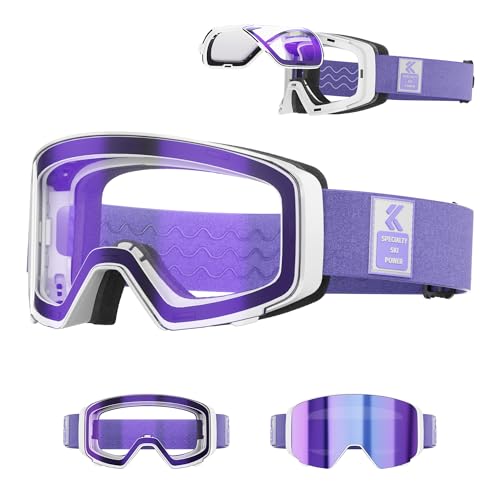
【Photochromic Technology】 The KAPVOE ski goggles adopt photochromic technology. The lenses change color based on ultraviolet intensity, adapt to various weather conditions and can be used both during the day and at night, enhancing snow vision. Moreover, the oleophobic layer on the surface can smoothly carry away the melted snow water without leaving a trace.
Factors Influencing Speed and Durability
Several factors markedly influence the speed and durability of photochromic goggles, making it essential for users to understand these elements when choosing their eyewear. Temperature effects play a significant role; cold temperatures slow the darkening process, while excessive heat may reduce lens intensity, leading to slower adaptation. Additionally, the choice of lens material impacts performance, as different substrates affect how quickly lenses respond to UV light. For example, proprietary formulations use various photosensitive compounds, resulting in diverse darkening speeds and duration. Prolonged UV exposure can degrade these chemicals over time, diminishing durability. By factoring in both temperature considerations and lens material, skiers can select goggles that not only protect their eyes but also perform effectively throughout fluctuating weather conditions. Understanding UV protection is crucial as snow reflects up to 80% of UV radiation, increasing exposure and emphasizing the need for effective eyewear.
Recommended Products

Frame Type Full Rim
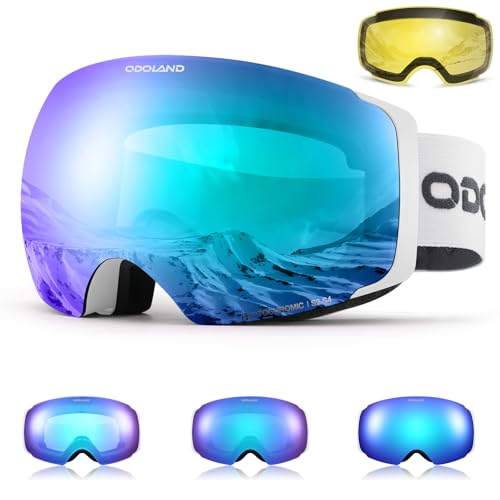
【The Photochromic Ski Goggles Set】: The set includes 1 photochromic ski goggles and 1 bonus detachable lens(Yellow lens Vlt 80%), these snow goggles for men and women are suitable for adults in skiing or snowboarding. Photochromic lenses can automatically change tint level, enhance your snow vision, you can ski under any weather and don’t have to change goggles, not only meets both men and women skiing needs, but also provides perfect winter outdoor eye protection.

Photochromic Adaptive Lens & 100% UV Protection / Featuring advanced light adaptive lens technology, these ski goggles automatically adjust tint from clear to dark in 5 seconds, ensuring optimal vision from dawn to dusk. Offers 100% UV400 protection to block harmful rays during snowboarding and skiing
Advances in Photochromic Technology
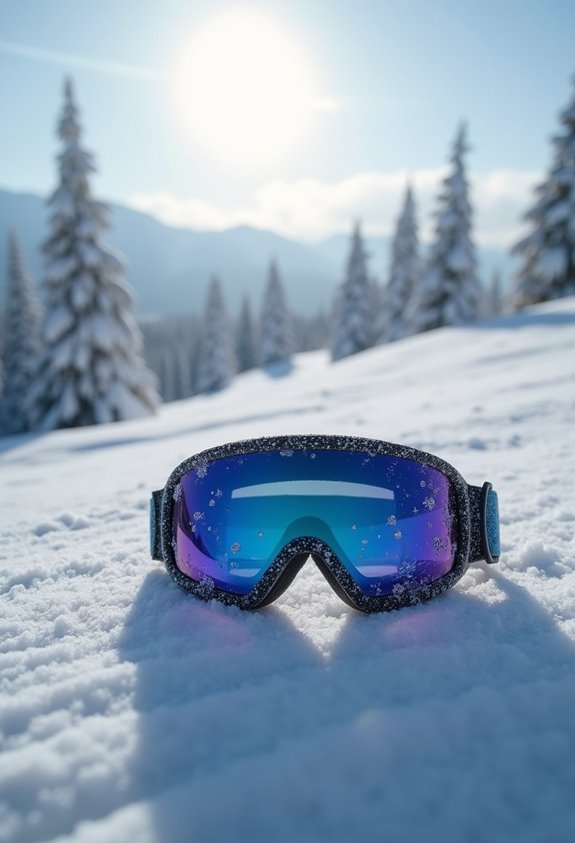
Advancements in photochromic technology revolutionize ski goggles, enhancing both functionality and user experience. Material innovation, such as nanometric-level matrix engineering, plays a vital role by creating flex zones that quicken activation speed without compromising lens durability. New ultra-agile photochromic dye molecules, with chemical modifications, fine-tune activation speed, color, and resistance, delivering a seamless tint shift in response to UV light.
Additionally, integrated solar-powered technologies, like the IRID® electronic photochromic lenses, allow for ultra-fast tint adjustments without battery bulk. These innovations guarantee consistent optical performance and robust UV protection, creating a superior experience for skiing enthusiasts. With pricing options starting around £49 for premium brands like Transitions GEN 8, the accessibility of these high-quality products continues to grow, fostering a community reliant on adaptive vision. Moreover, Oakley goggles are designed to adapt to varying lighting situations effectively, ensuring clarity during diverse skiing conditions.
Recommended Products

From Regular to Widescreen: You can only scope your line if you can see where you're going; putting on the Smith I/O MAG XL goggles is like flipping the switch from regular to widescreen, making every wind lip, landing, and tree glade as sharp as possible

Photochromic & Polarized Lenses: Adapt to Light Conditions
Frequently Asked Questions
Can Photochromic Goggles Be Used for Night Activities?
Photochromic goggles are not suitable for night activities due to their activity limitations, as they do not enhance night vision. Remain clear in low light, offering no benefits for safety or visibility during nighttime use.
How Should I Care for My Photochromic Goggles?
Proper goggle cleaning involves using microfiber cloths and mild cleaners, while regular lens maintenance guarantees longevity. Storing them in protective cases and inspecting for damage fosters a sense of community among outdoor enthusiasts valuing shared care practices.
Are There Prescription Options for Photochromic Goggles?
Prescription options for photochromic goggles include single vision and progressive lenses, offering customization options for individual vision needs. This adaptability fosters a sense of belonging, ensuring clarity and comfort across various lifestyles and activities.
Do Photochromic Goggles Work in All Weather Conditions?
Photochromic goggles exhibit notable weather adaptability but may not darken effectively in low UV conditions, like overcast or indoors. Their performance varies, ensuring satisfactory protection against bright sunlight while maintaining clarity in other environments.
Can I Wear Photochromic Goggles While Driving?
While wearing photochromic goggles while driving is possible, around 80% of their UV protection effectiveness diminishes due to windshield filtering. Safety features and lens quality may warrant using supplementary polarized sunglasses for ideal glare reduction.