As an Amazon Associate, we earn from qualifying purchases. Some links on this site are affiliate links at no extra cost to you. Our recommendations are based on thorough research and editorial judgment.

How Do Polarized Lenses Perform for Winter Sports Activities?

Polarized lenses excel in winter sports by greatly reducing glare from snow, enhancing visual clarity, and providing essential UV protection. Their ability to filter harmful rays, especially when labeled UV400, guards against conditions like snow blindness. These lenses improve color vibrancy and depth perception while reducing eye strain. However, users might face minor depth perception challenges. For the best experience on the slopes, features like anti-fog coatings and suitable lens colors are important for peak performance. Discover more about maximizing your equipment’s benefits.
Key Takeaways
- Polarized lenses reduce glare from reflective snow surfaces, enhancing visual clarity and comfort for skiers and snowboarders.
- They improve color vibrancy and contrast, aiding visibility against the stark white backdrop of snow.
- Polarized goggles typically offer UV400 protection, crucial for safeguarding eyes from harmful UV rays reflected by snow.
- Durable polarized lenses resist scratches and fogging, ensuring prolonged clarity during winter sports activities in challenging conditions.
- Users should consider potential depth perception changes and visibility distortions when utilizing polarized lenses for enhanced performance.
Glare Reduction in Snowy Environments
You may be interested


Glare reduction is a crucial benefit of polarized lenses for anyone engaging in winter sports, as the intense sunlight reflected off snow and ice can create blinding conditions. Polarized lenses utilize a special chemical filter that blocks horizontally polarized light waves, the primary glare causes from reflective surfaces. This technology enhances visual clarity by eliminating strong, distracting reflections while allowing beneficial vertical light to pass through. Consequently, winter sports enthusiasts can better discern terrain features, improving safety on the slopes. These lenses greatly reduce eye strain and fatigue during prolonged activities, offering a more comfortable and focused experience. Fundamentally, choosing polarized lenses guarantees skiers and snowboarders enjoy a sharper, clearer view, ultimately enhancing their performance and enjoyment on the mountain. Additionally, selecting goggles with anti-fog technology is essential for maintaining visibility in varying weather conditions.
Recommended Products

Cylindrical Lens Profile – Natural Depth, Wider Field of View: The refined cylindrical lens design helps expand side-to-side visibility while preserving natural depth perception. A multi-layer mirrored coating enhances contrast in changing light conditions, helping you recognize subtle terrain changes with greater clarity and confidence.

TPX lightweight frames float in water while adjustable strap on these sunglasses ensures secure, comfortable fit

💥Bundle of 2 items - Includes Authentic Oakley Ski Goggles Replacement Lenses + BUNDLE with Complimentary Care Kit
Color and Contrast Enhancement

Polarized lenses greatly enhance color and contrast, providing winter sports enthusiasts with a more vivid and engaging visual experience on the slopes. This lens technology allows for color vibration, making hues like blue, green, and red appear more saturated and lively, which is essential for traversing diverse terrains. For instance, brown and amber lenses significantly filter blue light, improving visibility against the crisp, white snow. Gray lenses, while reducing glare, preserve true color balance, essential for accurate color perception. Combined with advanced coatings, these polarized lenses minimize glare while maximizing depth perception, delivering sharper visuals tailored to the dynamic demands of skiing. Ultimately, this technology not only enhances visual clarity but also enriches the overall outdoor experience. Additionally, Oakley goggles often incorporate anti-fog coatings to ensure clear vision in variable weather conditions.
Protection From UV Radiation
When hitting the slopes, athletes must remain vigilant against the unseen threats of UV radiation, which is prevalent even in winter months. Snow can reflect up to 80% of UV rays, greatly increasing UV exposure and the risk of eye damage, including cataracts and macular degeneration. This is particularly concerning for children and adolescents, whose developing eyes are more susceptible to UV penetration. Opting for sunglasses and goggles labeled “UV400” guarantees that both UVA and UVB rays are effectively blocked. While polarized lenses reduce glare, it is vital to confirm they include UV-blocking coatings. Premium brands, like ZEISS, offer the combined benefits of glare reduction and UV protection, helping athletes maintain focus and performance while safeguarding their long-term eye health. Additionally, goggles with UV400 protection are essential for ensuring maximum safety against harmful rays during winter sports activities.
Visual Comfort and Eye Strain Reduction

While enjoying winter sports, athletes can enhance their visual comfort and greatly reduce eye strain by opting for high-quality polarized lenses. These lenses adeptly filter horizontal light waves, considerably diminishing glare from bright, reflective snow surfaces. This glare reduction translates into less squinting, allowing athletes to maintain visual comfort during extended activities. Consequently, the eyes exert less effort, leading to lowered cumulative eye strain and minimizing the risk of tension headaches or migraines. With improved glare control, athletes can maintain focus, enhancing their overall performance and safety on the slopes. Users often report a decrease in eye fatigue symptoms such as dryness and irritation, making polarized lenses an essential choice for anyone committed to enjoying the winter outdoors. Additionally, many models feature advanced lens technologies that further improve clarity and comfort under varying light conditions.
Limitations Related to Depth Perception and Screen Visibility
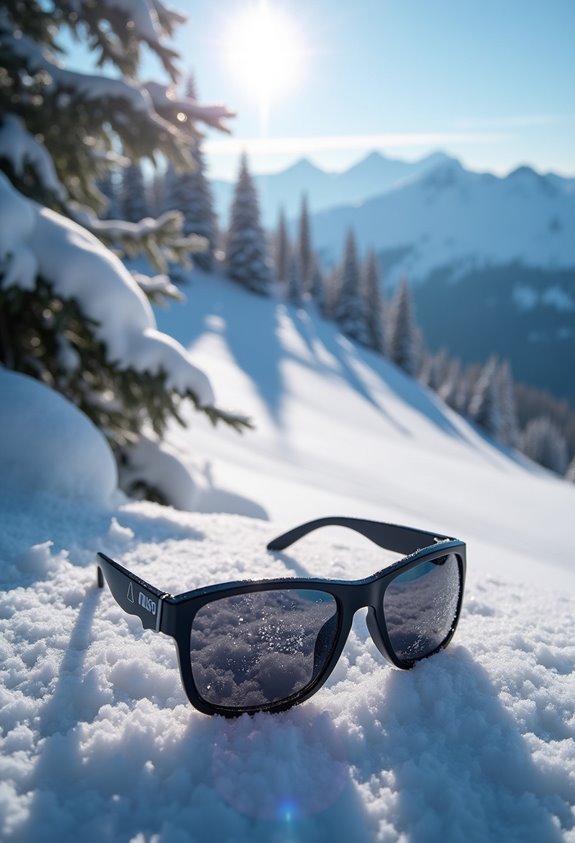
Engaging in winter sports brings a host of advantages, but users of polarized lenses should be mindful of potential limitations related to depth perception and screen visibility. While polarized lenses effectively reduce glare and enhance contrast, they can create depth challenges by eliminating crucial visual cues necessary for accurate distance judgment on snowy terrains. In addition, the polarization may disrupt binocular vision, causing image merging difficulties that athletes must adapt to. Additionally, screen compatibility becomes an issue; devices like GPS and smart goggles may suffer from visibility distortions due to the interaction between lens and screen polarization. For peak winter performance, users must weigh the benefits against these limitations and test their gear to guarantee a seamless experience on the slopes. Moreover, understanding the significance of anti-fog features is essential to maintain clarity while skiing in varying weather conditions.
Recommended Products

Top Clarity View: Panoramic designed ski goggles with optimized anti-fog & UV protection treatment for crystal and wide view when skiing and snowboarding.

Shatterproof polycarbonate lenses provide maximum eye protection

[Special Polarized Lens] - ZIONOR swim goggles featured with polarized lens, provides better eyes protection against harmful UV rays and lights, restore true color, eliminate reflected light and scattered light, for outdoor swimming, surfing, kayaking and other water related sports
Suitability and Usage Considerations in Winter Sports
In what ways can polarized lenses enhance performance for winter sports enthusiasts? Polarized lenses stand out for their remarkable ability to reduce glare from snow and ice, which greatly improves visibility during activities like skiing and snowboarding. Their lens durability guarantees they withstand harsh winter conditions, while UV protection shields the eyes from harmful rays reflected off bright surfaces. The comfort of these lenses in cold weather makes them a suitable choice for extended use. Versatile enough for various winter sports, including ice sports and winter hiking, polarized lenses help reduce eye strain and enhance clarity. Overall, their effectiveness and adaptability make them an essential accessory for anyone keen to enjoy winter sports to the fullest. Additionally, many ski goggles, including models from Anon ski goggles, come with integrated anti-fog technology, further enhancing visibility in challenging weather conditions.
Recommended Products

【Professional Ventilation】-Designed to reduce fogging and optimizes the flowing air over the inside of the lens.ski goggles provide smooth air-flow system which brings fresh air and exhaust moisture quickly and effectively.

OTG (Over-The-Glasses) Design: Ski goggles that fits over glasses. Suitable for both adults and youth
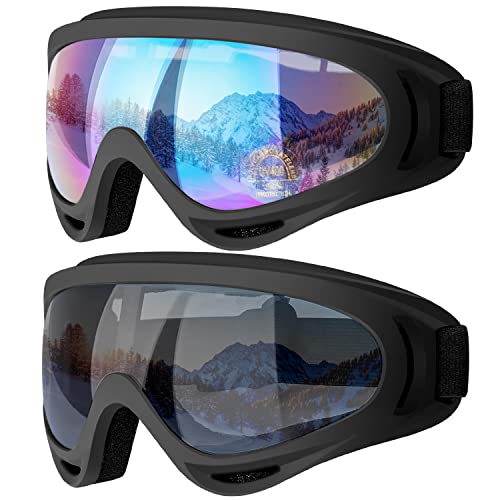
Compatible with Most People: Bring COOLOO Ski Goggles out with your Family and Friends for outdoor sports! They fit men, women, teens and youth. Extra long elastic strap ensures great helmet compatibility with all helmets.
Recommended Lens Colors for Varied Light Conditions
Choosing the right lens color for varied light conditions is essential for winter sports enthusiasts aiming to maximize performance and safety on the slopes. For bright, sunny days, dark gray and polarized gray lenses provide true color perception and reduce glare effectively. Dark amber and brown options enhance contrast, revealing icy patches while maintaining depth perception. In low-light or overcast conditions, amber and rose hues improve detail recognition, filtering blue light for enhanced visual performance. For versatility, photochromic lenses adapt dynamically to changing light, merging convenience and comfort. Additionally, selecting high-quality lenses like Carl Zeiss lenses can significantly improve clarity and contrast on the slopes. Ultimately, adopting specific lens preferences suited to the environment not only promotes enjoyment but guarantees athletes navigate the terrain safely, improving overall experience on the mountain.
Recommended Products

Effortless Replacement Lens Swapping: Equipped with 8 strong magnets, our lenses securely and seamlessly snap into the frame for a fast and hassle-free change.

Replacement Lens: Different VLTs for different weather conditions. Over 20 different colored lenses, including 4 polarized options, 2 photochromic options

Snow Goggle Replacement lens for the Dragon X2 Replacement Snow Goggle. *GOGGLE FRAME NOT INCLUDED, PRODUCT IS LENS ONLY*
The Importance of UV Protection and Anti-Fog Features
When venturing into the exhilarating world of winter sports, ensuring ideal eye protection is paramount, as consistent exposure to UV rays can lead to significant ocular harm. Polarized lenses with UV protection not only shield eyes from the intense glare bouncing off snow—reflecting over 80% of harmful UVA and UVB rays—but also reduce risks like snow blindness and cataracts. The integration of anti-fog features further enhances safety, as cold temperatures can lead to moisture buildup inside goggles, impairing vision. These features improve lens durability, ensuring clarity during extended use, while effective moisture management systems combat fogging. Together, UV protection and anti-fog capabilities empower athletes to perform confidently, minimizing risks and maximizing their winter experience. Additionally, the use of F3 Antifog coating helps prevent fogging in cold conditions, ensuring a clear view on the slopes.
Recommended Products

SKI Goggle Protective Cover: Come with the goggle cover ideal to protect your goggle lenses from scratches,damage,dust. The extra long elastic cover for any goggles compatibility. No assembly required, easy on and off, useful to wipe away snow or ice

[Special Polarized Lens] - ZIONOR swim goggles featured with polarized lens, provides better eyes protection against harmful UV rays and lights, restore true color, eliminate reflected light and scattered light, for outdoor swimming, surfing, kayaking and other water related sports

【Compound Eye Anti-Fog Technology】The lens surface features microscopic protuberances that create a thin air layer, effectively preventing water vapor from sticking. The inner anti-fog layer, like a moisture-absorbing "sponge", locks moisture effectively to prevent fogging from the root. Along with the frame's honeycomb vent holes promoting air circulation and reducing condensation, wearing KAPVOE ski goggles, you can clearly see ski slope details and enjoy skiing in any environment.
Frequently Asked Questions
How Do Polarized Lenses Compare to Non-Polarized Options for Winter Sports?
Polarized lenses offer glare reduction and enhanced visual clarity, beneficial for many winter sports. However, non-polarized options excel in ice detection and maintaining color perception, catering to diverse preferences within the winter sports community.
Are There Specific Brands of Polarized Goggles Recommended for Winter Activities?
Which brands stand out for polarized goggles in winter sports? Smith Optics and Oakley offer exceptional goggle features, enhancing contrast and glare reduction, fostering a sense of community among enthusiasts keen for peak performance on snowy adventures.
Can Polarized Lenses Be Purchased With Prescription Inserts for Skiing?
Polarized lenses with prescription options can indeed be purchased for skiing. These inserts provide polarized benefits, enhancing vision by reducing glare and ensuring a comfortable experience on the slopes for avid winter sports enthusiasts.
Do Polarized Lenses Affect Visibility in Snowstorm Conditions?
Polarized lenses may not greatly enhance visibility challenges during snowstorms, as the intense snow glare diminishes. While reducing glare in clear conditions, these lenses offer limited benefits in heavy snowfall, which can obscure depth perception and clarity.
What Maintenance Is Required for Polarized Winter Sports Eyewear?
Snowflakes danced around as polarized eyewear gleamed under sunlight. Proper lens cleaning and diligent frame care are crucial to guarantee peak performance, enhancing clarity and protection against the elements, consequently inviting adventure and camaraderie among winter explorers.