As an Amazon Associate, we earn from qualifying purchases. Some links on this site are affiliate links at no extra cost to you. Our recommendations are based on thorough research and editorial judgment.

What Are the Differences Between Cylindrical and Spherical Goggle Lenses?

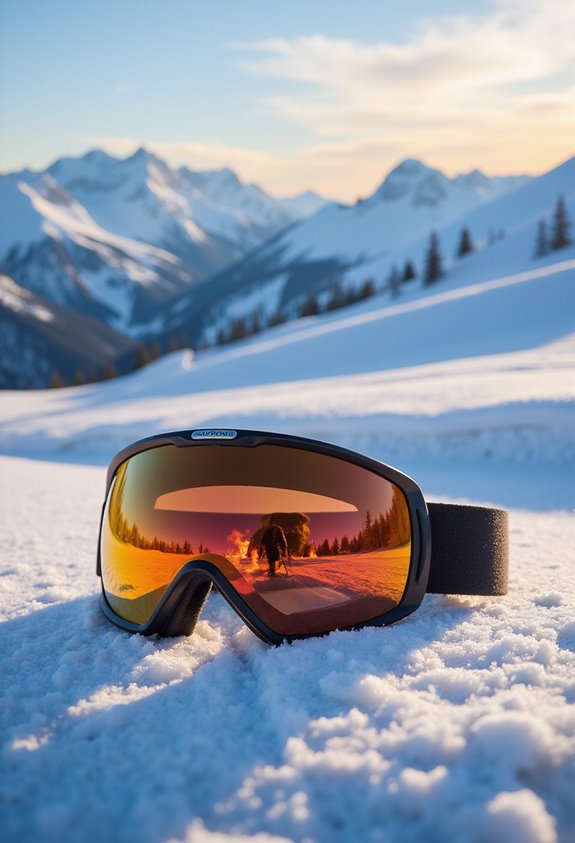
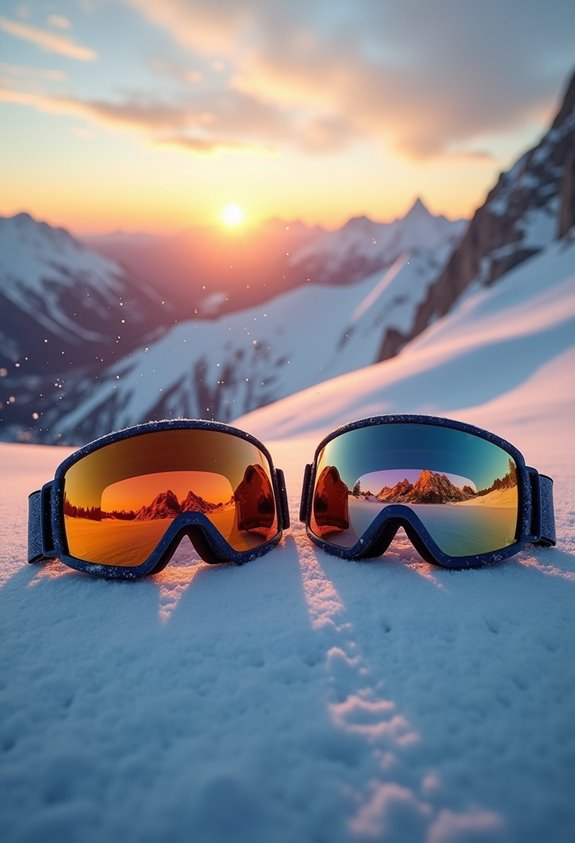
Cylindrical and spherical goggle lenses differ mainly in curvature and performance. Cylindrical lenses have a flat, horizontal curve, providing a sleek profile but limiting vertical vision, typically priced between $75 and $150. In contrast, spherical lenses mimic the eye’s shape, enhancing peripheral vision and glare reduction, usually starting at $195. Spherical models also feature superior fog resistance and airflow, making them ideal for serious skiers. For more insights on selecting the right lens type, further details follow.
Key Takeaways
- Cylindrical lenses offer a classic look with horizontal curvature but may limit vertical field vision compared to spherical lenses’ multi-directional curvature.
- Spherical lenses provide superior optical clarity, reducing distortion and glare, enhancing vision in varying ski conditions.
- Spherical goggles typically feature advanced anti-fog technology and better ventilation, leading to improved fog management over cylindrical options.
- Cylindrical lenses are more affordable, ranging from $75 to $150, while spherical lenses start at $195, reflecting their performance advantages.
- Spherical lenses closely match the eye’s natural shape, ensuring comfort and reducing visual strain compared to the flatter profile of cylindrical lenses.
Design and Shape of Goggle Lenses
You may be interested

When selecting the right goggle lens, understanding the design and shape is fundamental, as it directly impacts both performance and comfort on the slopes. Cylindrical lenses feature horizontal lens curvature, providing a classic, sleek appearance favored by traditionalists, while their flat vertical profile can limit vertical field vision. In contrast, spherical lenses boast both horizontal and vertical curvature, creating a “bowl-like” shape that enhances peripheral vision and offers a modern, high-tech aesthetic. Although spherical lenses may present a bulkier profile, they excel at reducing optical distortions and fogging due to their increased distance from the face. Ultimately, choosing between these designs hinges on personal preferences for fit, style, and functionality, ensuring riders can connect with their unique skiing identity. Additionally, selecting the right lens color is crucial as lenses for low light conditions enhance contrast and visibility, making skiing safer and more enjoyable.
Recommended Products

MARKET-LEADING PROTECTION: Engineered in Giro's category-leading helmet test lab.

140 degree HD panoramic marine mirror.
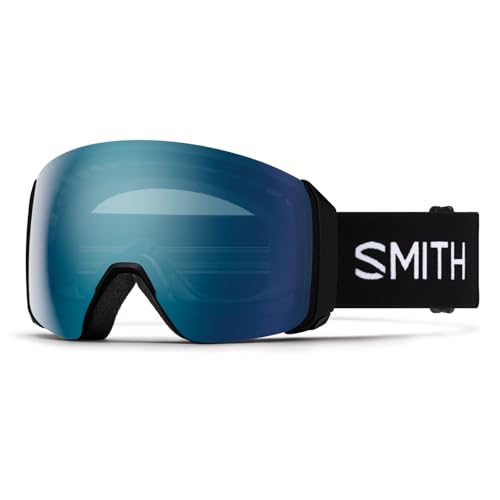
It’s Time to Drop In: The Smith 4D MAG XL brings our widest field of view and sharpest optics to give you the best possible read on the terrain, so you can nail your line every time; BirdsEye Vision clarifies not just your line, but the riders in your periphery, increasing your field of view by 25%
Optical Clarity and Vision Quality
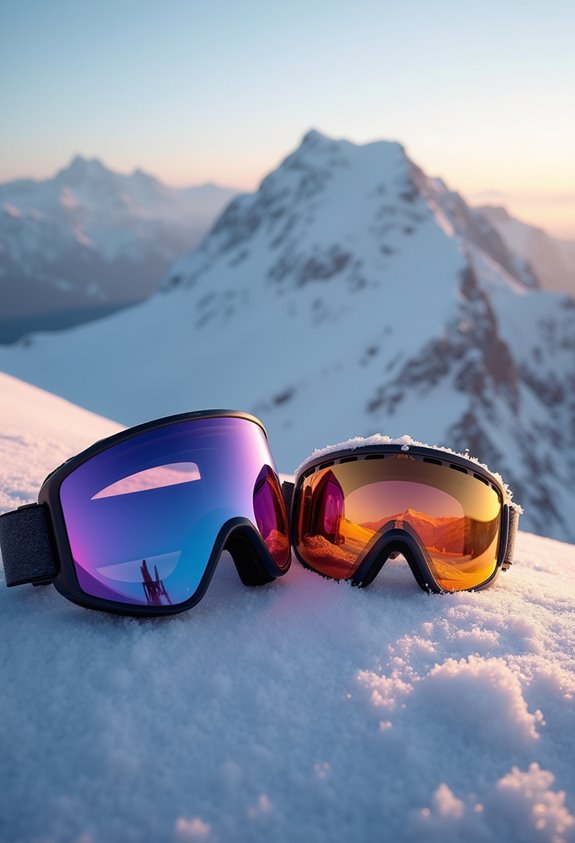
Optical clarity and vision quality are paramount when evaluating goggle lenses, as they directly influence a skier’s performance and enjoyment on the slopes. Spherical lenses offer superior optical clarity due to their curvature, which closely mimics the human eye’s natural shape, resulting in minimal distortion effects and a more accurate view of landscapes. In contrast, cylindrical lenses, which are flat vertically, may introduce some distortion at their edges, impacting perceived distance. While high-quality cylindrical lens material can be optically corrected, it often doesn’t match the precision of spherical lenses. Furthermore, spherical lenses excel in glare reduction, effectively managing light to enhance clarity and contrast, making them ideal for engaging ski conditions where superior vision is essential for safety and performance. Additionally, advanced anti-fog technology in some spherical lens models ensures clear sight in various weather conditions.
Recommended Products

Its Time to Drop In: The Smith 4D MAG brings our widest field of view and sharpest optics to give you the best possible read on the terrain, so you can nail your line every time; BirdsEye Vision clarifies not just your line, but the riders in your periphery, increasing your field of view by 25%

From Regular to Widescreen: You can only scope your line if you can see where you're going; putting on the Smith I/O MAG XL goggles is like flipping the switch from regular to widescreen, making every wind lip, landing, and tree glade as sharp as possible

EXV FRAME DESIGN - with a quick Change Slash Seal Lens Interchange System
Fogging Resistance and Ventilation

Fogging resistance and ventilation are essential factors in maximizing performance and comfort for skiers traversing diverse slopes. Spherical lenses, with their curved design, create a larger internal volume and better airflow, resulting in effective fog management strategies, while cylindrical lenses face more challenges due to their flatter profile, which can trap heat and moisture. The additional distance between the eye and lens in spherical models also aids in condensation reduction techniques, allowing warm air to escape. Additionally, advanced ventilation systems incorporated into modern spherical goggles optimize air circulation, greatly enhancing fog resistance. Although cylindrical goggles use anti-fog coatings, their design often necessitates complementary helmet systems to improve ventilation effectiveness, making shape and airflow critical considerations for discerning skiers. Furthermore, models like the Target Line L utilize prism lenses to enhance clarity, complementing their fog resistance capabilities.
Recommended Products
MARKET-LEADING PROTECTION: Engineered in Giro's category-leading helmet test lab.
MARKET-LEADING PROTECTION: Engineered in Giro's category-leading helmet test lab.

MARKET-LEADING PROTECTION: Engineered in Giro's category-leading helmet test lab.
Cost Comparison Between Lens Types

Cost comparison between cylindrical and spherical goggle lenses reveals striking differences that influence both performance and budget for skiers. Cylindrical lenses boast simpler designs, resulting in lower manufacturing complexities and offering retail prices around $75 to $150, making them appealing for budget-conscious buyers. In contrast, spherical lenses incur higher cost implications due to double curvature, starting at $195 and often exceeding $300, aligning with mid to high-end pricing strategies. The optical clarity and enhanced peripheral vision they provide can justify the investment for serious skiers seeking top-tier performance. However, entry-level skiers may find cylindrical models adequately serve their needs, highlighting a balance between affordability and functionality that resonates within the skiing community. Additionally, considering UV protection features in your choice can significantly impact both safety and performance on the slopes.
Recommended Products
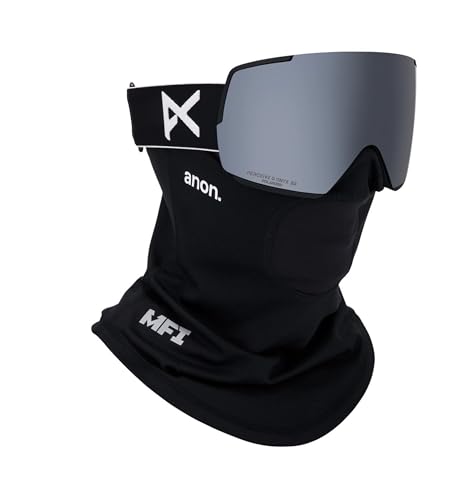
Unisex frame design; Fits medium and large faces; Bonus lens

Spare lens, MFI face mask, microfiber goggle bag, and case included; Unisex frame design; Fits medium and large faces; Helmet compatible.

The Anon M6 Goggles offer a precise helmet-to-goggle fit with the wide field of view and low-profile design of a cylindrical lens. Our innovative Magna-Tech quick lens-change technology uses powerful rare earth N52 magnets to make lens changes easier than ever. Perceive optics offer high-contrast, terrain-defining clarity. They feature our best anti-fog treatment for crystal-clear vision in a wide range of conditions.
Performance in Different Usage Scenarios

When selecting goggles for skiing, performance in various usage scenarios becomes a critical factor, as the demands of different environments can considerably affect user experience. Spherical lenses excel in bright, variable conditions, offering enhanced glare reduction and distortion-free vision, making them ideal for fast-paced skiing. In contrast, cylindrical lenses, while offering a wider horizontal field of view, may struggle with glare and peripheral distortion, limiting their effectiveness in bright light. Additionally, spherical lenses reduce fogging due to increased internal volume, providing clearer visibility during challenging weather. Users with flat or larger faces may find cylindrical goggles provide superior fit and comfort, highlighting the importance of individual facial structure in this performance comparison for best skiing experiences. Furthermore, the incorporation of MIPS technology in helmets can enhance overall safety, ensuring that skiers can focus on their performance without compromising protection.
Consumer Preferences and Trends
As the winter sports season approaches, understanding consumer preferences and market trends in goggle lenses becomes increasingly relevant for skiers and snowboarders seeking the best equipment. Consumers gravitate towards spherical lenses due to their modern aesthetic and wide field of vision, with trending styles appealing particularly to freeriders. On the other hand, cylindrical lenses offer affordability and a sleeker look, making them popular among budget-conscious riders. Brand loyalty plays a significant role, as established brands like Oakley and Smith lead the market, innovating in lens technology and sustainability. Ultimately, while both lens types have their benefits, personal style and performance needs will guide every rider’s choice, fostering a sense of belonging in the winter sports community. Additionally, many riders prioritize anti-fog technology to ensure clear visibility during intense activity.
Technology and Innovations in Lens Design
Advancements in lens design for winter sports goggles not only enhance performance but also contribute to a more enjoyable skiing and snowboarding experience. The latest lens innovations, such as spherical and conical designs, greatly reduce peripheral distortion, offering a wider field of view, while maintaining image clarity. For instance, ZEISS Sonar Technology optimizes light wavelengths, enhancing terrain recognition on snow, which improves safety. Additionally, photochromic lenses from brands like Bollé automatically adjust tint for consistent visibility, minimizing glare. Dual-pane lenses provide anti-fog benefits, keeping vision clear in changing temperatures. These optical enhancements guarantee a competitive edge, making it easier for skiers and snowboarders to feel connected to the mountain, while enjoying improved visibility and comfort during their adventures. Furthermore, understanding lens technology insights is crucial for skiers to select the appropriate goggles for their needs.
Sport-Specific Applications of Lens Types
Selecting the appropriate lens type for specific sports can greatly influence performance, safety, and enjoyment on the slopes. Spherical goggle types are preferred for high-speed activities like downhill skiing and freestyle snowboarding, as their wider field of view and reduced optical distortion enhance situational awareness, enabling athletes to respond swiftly to terrain changes. In contrast, cylindrical lenses offer adequate performance for recreational skiing and snowboarding, especially in overcast conditions where tight vision isn’t as critical. While cylindrical models may provide a narrower viewport and slightly increased glare on bright days, they remain a viable choice for beginners. Ultimately, understanding lens preferences allows enthusiasts to choose the ideal goggles that match their sport, maximizing both safety and fun on the mountain. Additionally, goggles with anti-fog features can significantly improve clarity during variable weather conditions, enhancing overall performance on the slopes.
Recommended Products

VISION: Spherical Carbonic-x lens for distortion-free optics and impact resistance, ChromaPop lenses enhance contrast and natural color to make the details pop, 5X anti-fog inner lens for advanced fog-free performance," Smith MAG lens change system uses MAGnets for quick, easy lens changes," Fits over the glasses (OTG )

Little Details Make a Big Difference: When youre dedicated all season long, our Vantage helmet offers you the comfort, safety and durability you need

Live Life in Extra Widescreen: You can only scope your line if you can see where you're going, the I/O MAG XL features Chromapop lens technology, our highest level of anti-fog treatment and a spherical lens for distortion-free vision; the I/O MAG XL is expanded for those looking for the largest possible lens
Eye Compatibility and Comfort
When choosing skiing goggles, eye compatibility and comfort play a significant role in enhancing the overall experience on the slopes. Spherical lenses, with their dual curvature, closely resemble the eye’s natural shape, offering superior lens comfort and reduced visual strain compared to cylindrical lenses, which curve only horizontally. This difference in design minimizes distortion, ensuring clearer visuals and a broader field of view, ultimately contributing to prolonged enjoyment on the mountain. Additionally, spherical lenses enhance ventilation, decreasing fogging risks—a common discomfort for skiers. For those requiring corrective lenses, both lens types can be adapted for prescription use, promoting accessibility and additional comfort. Overall, understanding these differences fosters informed choices, enabling skiers to find the perfect goggles for their adventures. Furthermore, investing in high-quality goggles can significantly affect safety features and overall performance on the slopes.
Future Developments in Lens Technology
Future developments in lens technology promise exciting innovations that will enhance the skiing experience for enthusiasts at all levels. Dynamic lenses are set to revolutionize winter sports with advancements in photochromic and adaptive technologies, enabling lenses to automatically adjust tint within seconds, ensuring peak clarity. Innovative coatings will provide superior durability and improved resistance to fogging while preserving lens clarity. The integration of AR technologies will allow skiers to access real-time data, enhancing safety and performance. Additionally, sustainable materials will minimize environmental impact, catering to the growing consumer demand for eco-friendliness. With features like personalized overlays and improved peripheral vision, future goggles will combine advanced technology and user adaptability, creating a more immersive skiing experience for all. Furthermore, goggles with anti-fog technology will play a crucial role in maintaining clear vision during varying weather conditions.
Frequently Asked Questions
Can Cylindrical Lenses Cause Distortion in Peripheral Vision?
Cylindrical lenses can indeed cause distortion effects in peripheral vision. Their flat vertical design creates bends and warps in side views, leading to less natural alignment with the eye and potentially increased visual discomfort.
What Are the Environmental Impacts of Lens Production?
Like shadows cast by a fading sunset, lens manufacturing bears a heavy ecological footprint. From resource extraction to waste generation, each step amplifies environmental concerns, prompting the need for sustainable practices and innovations in eyewear production.
How Do I Clean and Maintain Goggle Lenses Properly?
Proper lens care involves using microfiber cloths and specific cleaning solutions. Maintenance tips include rinsing with lukewarm water, avoiding tissue, and storing lenses carefully to guarantee clarity and longevity, fostering belonging in an active community.
Are There Color Options Available for Cylindrical and Spherical Lenses?
Cylindrical and spherical lenses offer diverse color variations, enhancing visual performance and style. Lens customization allows users to select tints that suit specific lighting conditions, fostering a sense of belonging to a community that values superior gear.
How Do Lens Coatings Affect Durability and Scratch Resistance?
Lens coatings greatly enhance durability factors and scratch resistance, protecting against impacts and abrasions. Proper maintenance of these coatings guarantees longevity, providing users with reliable and clear vision, fostering a sense of confidence in their gear.