As an Amazon Associate, we earn from qualifying purchases. Some links on this site are affiliate links at no extra cost to you. Our recommendations are based on thorough research and editorial judgment.


What Care Techniques Extend the Life of Your Goggle Lenses?

Proper care techniques that extend the life of goggle lenses include using a microfiber cloth for gentle cleaning, storing them in a protective case, and ensuring they air dry completely away from heat sources. Avoid harsh chemicals and paper towels to prevent scratches or damage to anti-fog coatings. Implementing advanced ventilation systems and inspecting goggles regularly further enhances performance. Maintaining these practices not only preserves lens clarity but also promotes longer-lasting quality, leading to improved visibility on the slopes. Discover even more essential tips ahead.
Key Takeaways
- Use a microfiber cloth for gentle cleaning to avoid scratching lenses and damaging coatings.
- Clean the inner lens lightly to preserve the anti-fog treatment and avoid wiping vigorously.
- Air dry goggles naturally after use, ensuring all moisture evaporates before storage.
- Store goggles in a protective case in a well-ventilated area to prevent damage from humidity or extreme temperatures.
- Regularly inspect goggles for damage and clean with mild soap to reactivate anti-fog films.
Proper Cleaning Techniques
You may be interested


Effective cleaning techniques are essential for maintaining the clarity and performance of goggle lenses, ensuring that skiers and snowboarders can enjoy peak vision on the slopes. Regular lens maintenance should involve gentle, dry cleaning with only a microfiber cloth, as this minimizes the risk of scratches. It’s important to address smudges using a side-to-side motion; dirt or snow should be tapped off rather than wiped away. To protect the anti-fog treatment on the inside lens, avoid vigorous wiping and instead gently blot if necessary. Proper cleaning frequency should align with environmental conditions, keeping lenses clear for maximum visibility. Following these practices not only enhances performance but extends the lifespan of the goggles, fostering a greater connection with the sport and community. Additionally, understanding anti-fog technology can help users choose goggles that maintain clarity during intense activities.
Recommended Products

Premium Ultra-Soft Microfiber: Effortlessly removes fingerprints, smudges, oil, and dust without scratching—leaving lenses and screens spotless and streak-free.
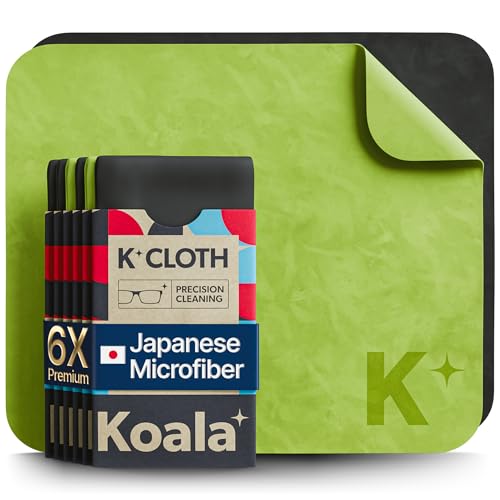
UNPARALLELED CRYSTAL-CLEAR PERFORMANCE: The only obsessively engineered, best-in-class microfiber cleaning cloth, meticulously crafted from proprietary, ultra-dense, super-absorbent Japanese woven fabric, effortlessly absorbing the toughest dirt, grime, and oils - leaving your lenses spotless - every time.

UNPARALLELED CRYSTAL-CLEAR PERFORMANCE: The only obsessively engineered, best-in-class microfiber cleaning cloth, meticulously crafted from proprietary, ultra-dense, super-absorbent Japanese woven fabric, effortlessly absorbing the toughest dirt, grime, and oils - leaving your lenses spotless - every time.
Storage and Drying Practices

Storing and drying goggles properly is vital for maintaining their longevity and performance on the slopes. To achieve ideal moisture control, it is essential to air dry goggles naturally at room temperature, steering clear of hand dryers or heat sources that could warp the lenses. After each use, allow complete evaporation of moisture from the foam, lenses, and vents to prevent mold and fogging. Always store goggles in their protective case or a soft microfiber bag, ensuring they are kept in a well-ventilated area away from direct sunlight. Avoid storing them in damp or humid environments, as this can lead to degradation of foam and coatings. By adhering to these practices, enthusiasts can greatly extend the life of their beloved gear. Additionally, understanding the importance of proper cleaning techniques is crucial for preserving anti-fog coatings and overall lens clarity.
Recommended Products

Premium Quality: Our case features hard EVA with dense villus inside the case to protect your goggle.

DESIGNED TO FIT MOST GOGGLES. This spacious goggle case fits and protects all NoCry and most standard safety, lab, MX and ski goggles. The inner dimensions are 7.3in x 3.9in x 3.1in. (Any goggles you store inside need to be at least 0.2in smaller than the case.)
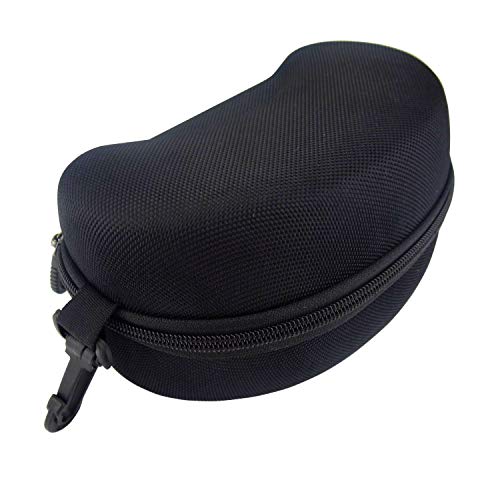
✓High quality material--Made of hard EVA, and with dense villus inside the case as an soft lining cloth to protect the ski snowboard goggles, durable and easy to clean.
Avoiding Common Mistakes

When maintaining ski goggles, avoiding common mistakes can considerably enhance their performance and lifespan. Proper goggle maintenance is vital; for example, using paper towels or clothing can scratch the lenses, while harsh chemicals may degrade protective coatings. It’s essential to always clean the inner lens gently with a soft microfiber cloth and to limit inner lens touch to preserve anti-fog characteristics. Extreme temperatures, such as leaving goggles in hot cars, can warp lenses and diminish their effectiveness. Additionally, storing goggles while wet in non-ventilated cases should be avoided to prevent moisture buildup. By recognizing and sidestepping these common pitfalls, skiers can guarantee lasting lens protection and enjoy clearer vision on the slopes, ultimately enhancing their skiing experience. Furthermore, using anti-fog technology can significantly improve visibility in low light conditions, ensuring a safer skiing experience.
Recommended Products
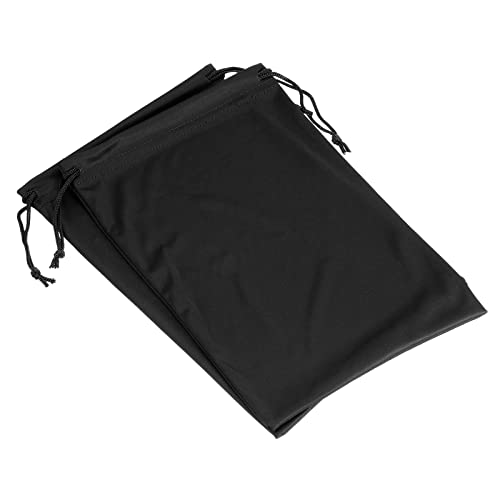
The microfiber bags are suitable for all your different types of goggles, ski, swimming, etc. Also good for other uses like camera lenses, glasses, sunglasses, cables, watches, etc. Will help protect goggles or glasses from being scratched or getting dirty.
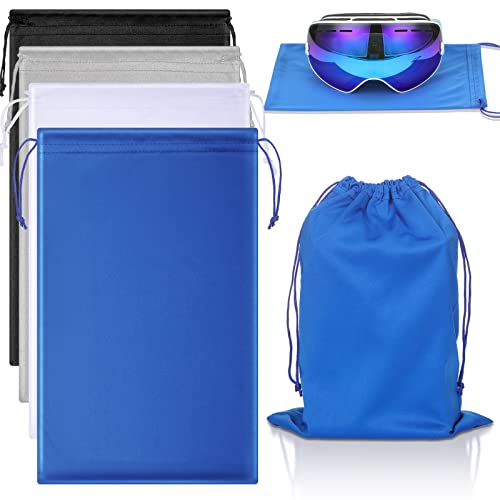
Package you receive: there are 4 pieces of protective ski goggle pouches in the package, available in 4 different colors, namely black, white, gray, navy blue, enough quantity and classic color to meet your daily use and replacement needs, and make your life more convenient
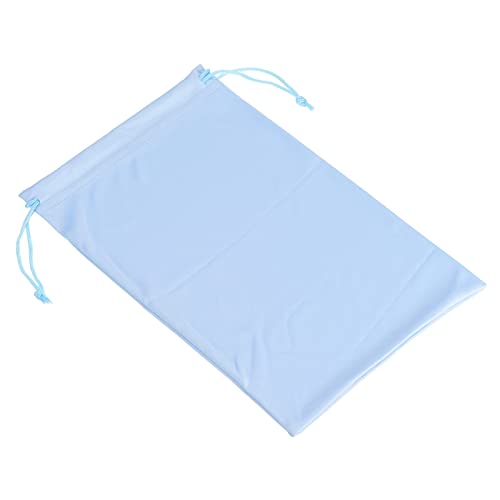
The microfiber bags are suitable for all your different types of goggles, ski, swimming, etc. Also good for other uses like camera lenses, glasses, sunglasses, cables, watches, etc. Will help protect goggles or glasses from being scratched or getting dirty.
Anti-Fog Coating Care

Maintaining the anti-fog coating on ski goggles is essential for ensuring clear visibility on the slopes, as fogging can detrimentally impact performance. To preserve the integrity of these coatings, users should rely on microfiber cloths for cleaning, avoiding abrasive materials that may cause damage. Gentle washing with mild soap and cold water can reactivate the anti-fog film without harmful effects. Proper storage in protective cases, away from extreme temperatures and humidity, extends the life of both the lenses and their coatings. Regular inspection for any signs of damage is vital, as advancements in anti-fog technology promise enhanced performance, yet these coatings require diligent maintenance to remain effective, ultimately ensuring an enjoyable skiing experience for all enthusiasts. Additionally, employing advanced anti-fog technologies can significantly improve visibility in various weather conditions.
Recommended Products

FAST-ACTING FORMULA: Our anti-fogging spray for swim goggles quickly and effectively stops fogging on all surfaces to enhance clarity.
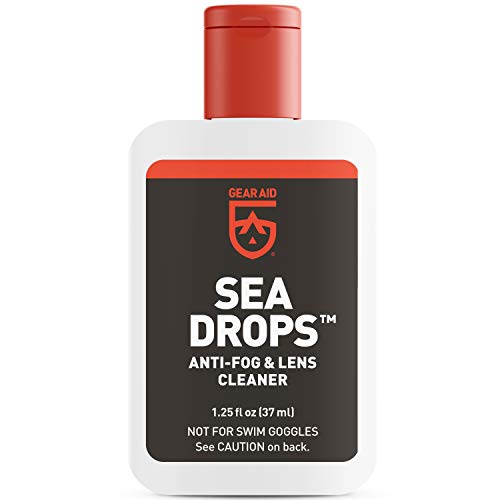
Prevent dive masks from fogging underwater with these powerful anti-fog drops that perform in all water temperatures

Prevent dive masks from fogging underwater with these powerful anti-fog drops that perform in all water temperatures
Ventilation and Temperature Management

Effective ventilation and temperature management in ski goggles are essential for a clear and enjoyable skiing experience, especially as the dynamic conditions of the slopes can lead to fogging and discomfort. Advanced ventilation systems feature strategically placed vents that optimize airflow, minimizing condensation and enhancing comfort. Dual-lens systems further aid in moisture control and are often complemented by adjustable vents for personalized temperature regulation. Well-ventilated helmets can work in tandem with goggles, improving air circulation and preventing heat buildup. Techniques like shedding unnecessary layers or using ski masks also support maintaining ideal conditions. By utilizing these features, skiers can extend goggle use without interruption, ensuring clear vision and peak performance on the slopes. Additionally, the use of anti-fog technology can significantly enhance visibility by reducing moisture buildup on the lenses.
Recommended Products

Performance Ski Goggles with Frameless Design: Large spherical, frameless lens provides a truly unobstructed and clear view of the slopes. Designed for ultimate performance and comfort

Frame Type Full Rim

OTG (Over-The-Glasses) Design: Ski goggles that fits over glasses. Suitable for both adults and youth
Frequently Asked Questions
How Can I Tell if My Goggles Are Damaged?
To determine if goggles are damaged, assess lens visibility for cloudiness or scratches. Additionally, inspect for loose components and signs of deterioration; a thorough check guarantees safety and enhances the shared experience among fellow enthusiasts.
What Factors Affect the Lifespan of Goggle Lenses?
Several factors affect goggle lens lifespan, including UV exposure, chemical exposure, and temperature extremes. Surface scratches from improper cleaning can deteriorate clarity. Regular maintenance guarantees durability and enhances the experience for those who cherish aquatic activities.
Can I Use a Regular Cloth to Clean My Goggles?
Using a regular cloth for cleaning risks damaging goggle lenses, compromising lens materials through scratches and streaks. Adopting suitable cleaning methods, such as microfiber cloths, helps maintain clarity and enhances durability, fostering a communal care ethic.
How Often Should I Inspect My Goggles for Wear?
Goggle maintenance should involve inspections every time goggles are used, with deeper checks monthly and annually. Identifying wear indicators, such as scratches or cracks, guarantees peak performance and safety for the user in various environments.
Are There Any Specific Storage Containers for Goggles?
Specific storage containers for goggles include soft microfiber bags, hard shell cases, and custom molded options, all essential for goggle maintenance and lens protection, ensuring longevity and safeguarding against scratches, dust, and impacts during transport.