As an Amazon Associate, we earn from qualifying purchases. Some links on this site are affiliate links at no extra cost to you. Our recommendations are based on thorough research and editorial judgment.


How Do You Choose Between Camber and Rocker Snowboard Profiles?

Choosing between camber and rocker snowboard profiles hinges on understanding their unique performance traits and aligning them with one’s riding style. Camber boasts superior grip and stability, ideal for advanced riders on hardpack, while rocker offers a forgiving, playful ride for beginners and freestyle enthusiasts. Hybrid models merge these features, providing versatility across varied terrain, making them suitable for many riders. Consider factors like skill level and preferred conditions for best selection; further insights await to refine your decision.
Key Takeaways
- Consider your skill level: advanced riders benefit from camber for grip, while beginners thrive with rocker’s forgiving ride.
- Assess your primary riding style: choose camber for aggressive turns and jumps, rocker for freestyle and powder.
- Evaluate the terrain you’ll ride most: camber excels on hardpack and icy conditions; rocker is better for soft, powdery snow.
- Look at hybrid profiles if you want versatility: they combine the stability of camber and the playfulness of rocker.
- Think about flex ratings: stiffer boards enhance control for experienced riders, while softer boards offer comfort for newer enthusiasts.
Understanding Camber and Rocker Profiles
You may be interested


When exploring snowboards, understanding the differences between camber and rocker profiles is essential for selecting the right equipment, as these profiles greatly influence performance and riding experience. Camber dynamics feature an arch that enhances grip and stability, making it ideal for advanced riders who value precision during aggressive turns. In contrast, rocker advantages provide a softer, more forgiving ride with lifted contact points, reducing the chance of catching edges, which is especially beneficial for beginners and freestyle enthusiasts. Variations like hybrid profiles combine both characteristics, catering to diverse riding styles across all terrains. By recognizing these fundamental differences, riders can find their perfect match, enhancing their enjoyment and skill progression on the slopes. Additionally, flex ratings can further influence a snowboard’s handling and suitability for different rider types and conditions.
Recommended Products
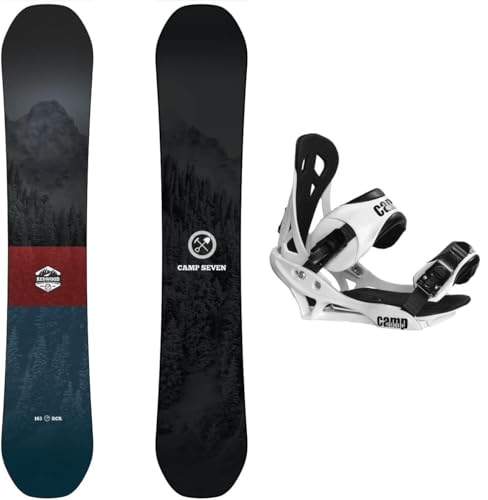
Camp Seven Redwood RCRX Snowboard : This year brought a complete redesign and tons of upgrades to the Camp Seven Redwood! Centered around an all new RCRX rocker camber rocker story, the Redwood has strategically placed rocker zones in the tip and tail to prevent those pesky edge catches and to provide a smooth comfortable ride. Then an elongated camber section under foot provides intuitive responsiveness and maximum edge hold on even the iciest days!

Hybrid rocker/camber profile enhances edge grip while keeping turns playful
Camp Seven Redwood RCRX Snowboard : This year brought a complete redesign and tons of upgrades to the Camp Seven Redwood! Centered around an all new RCRX rocker camber rocker story, the Redwood has strategically placed rocker zones in the tip and tail to prevent those pesky edge catches and to provide a smooth comfortable ride. Then an elongated camber section under foot provides intuitive responsiveness and maximum edge hold on even the iciest days!
Performance Characteristics of Each Profile

The choice between camber and rocker profiles substantially impacts a snowboarder’s performance on the slopes. Camber profiles excel in grip stability, providing consistent edge contact that enhances control on hardpack and icy terrain, making them ideal for technical riders. This profile delivers pop energy essential for explosive jumps and rapid turn initiation. In contrast, rocker profiles offer enhanced maneuverability with raised tips and tails, allowing easier turns and a looser, more playful riding experience; however, they sacrifice some grip on hard snow. Hybrid models blend these attributes, combining camber’s stability with rocker’s forgiveness. Ultimately, understanding these performance characteristics enables snowboarders to choose a profile that aligns perfectly with their riding ambitions and preferences, fostering a deeper connection to the sport. Additionally, flex ratings are crucial in determining how well a board performs across various conditions.
Recommended Products
Camp Seven Redwood RCRX Snowboard : This year brought a complete redesign and tons of upgrades to the Camp Seven Redwood! Centered around an all new RCRX rocker camber rocker story, the Redwood has strategically placed rocker zones in the tip and tail to prevent those pesky edge catches and to provide a smooth comfortable ride. Then an elongated camber section under foot provides intuitive responsiveness and maximum edge hold on even the iciest days!

Snappy C2 rocker camber hybrid contour: Offers playful, responsive ride ideal for freestyle progression and park shredding.
Hybrid rocker/camber profile enhances edge grip while keeping turns playful
Factors to Consider Based on Riding Style

How does one determine the best snowboard profile based on their unique riding style? Riders must consider their skill level and the specific riding conditions they encounter. For those traversing hard-packed terrain, camber boards deliver superior edge grip and stability, ideal for advanced riders focusing on speed and precision. Conversely, beginners and freestyle enthusiasts may find rocker boards more forgiving, providing easier turn initiation and enhanced maneuverability in soft snow, making progression manageable and enjoyable. In regions like Colorado or British Columbia, where powder reigns, rocker profiles offer unmatched floatation, while those on the East Coast may lean toward camber for its performance on icy surfaces. Ultimately, each profile suits different terrain and skill levels, fostering a sense of belonging among diverse riders. Additionally, understanding the differences in board shape and design can further enhance your decision-making process when selecting the right snowboard profile.
Recommended Products

System MTN Snowboard : The all new CRCX camber profile, the MTN is a rocker dominant profile which greatly increases float in powder and elevates your contact points so you never catch an edge. The small cambered sections in the nose and tail engage when you tell them to, and create explosive pop. The ultralight 3D core centers around tip to tail Poplar wood with two high density stringers running just outside the center of the board and an artisan grade heartwood stringer down the center.

Camp Seven Redwood RCRX Snowboard : This year brought a complete redesign and tons of upgrades to the Camp Seven Redwood! Centered around an all new RCRX rocker camber rocker story, the Redwood has strategically placed rocker zones in the tip and tail to prevent those pesky edge catches and to provide a smooth comfortable ride. Then an elongated camber section under foot provides intuitive responsiveness and maximum edge hold on even the iciest days!
Snappy C2 rocker camber hybrid contour: Offers playful, responsive ride ideal for freestyle progression and park shredding.
Benefits of Hybrid Profiles

Hybrid snowboard profiles have emerged as a game-changing option for riders who seek a balance between performance and versatility, as these boards seamlessly combine the strengths of both camber and rocker designs. Offering versatile performance, hybrid boards excel in diverse snow conditions, ensuring a forgiving ride that benefits beginners and experienced riders alike. The rocker sections enhance float in powder, while the camber underfoot provides stability and better edge hold, making turns effortless. Additionally, the adaptability of hybrid designs caters to various terrains, appealing to one-board owners who desire an all-mountain experience. With quick turn initiation and a playful nature, these boards strike an ideal balance, encouraging confidence in novice riders and enhancing the joy of snowboarding adventures. Furthermore, the visual enhancement features of rose-tinted lenses can improve perception on the slopes, adding to the overall experience.
Recommended Products
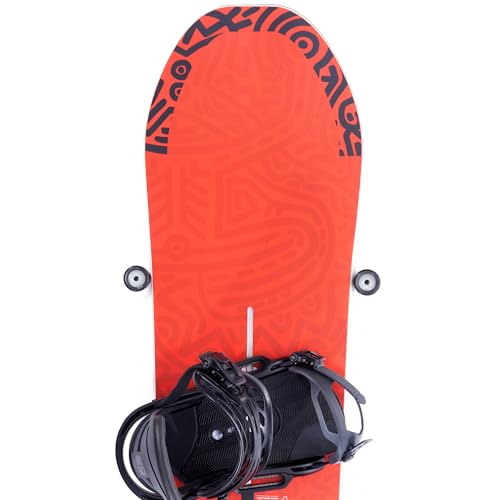
[Unique Hybrid Snowboard Wall Mount] Designed to securely hold One [1] snowboard on any wall. Premium acrylic core paired with a vulcanized rubber edge ring, delivering a refined modern design.

THIN MERINO SKI SOCKS - The IQ Fit Hybrid sock combines the thin-yet-substantial construction of the IQ Fit Ultimate, with thoughtfully mapped low-profile padding; it ensures warmth without bulk; the highest possible Merino Wool content, while still retaining a precise Dissent fit, even when damp or wet; fabric composition: 40% Merino Wool, 56% Polyamide, 4% Lycra

Rider Type: Resort
Historical Evolution of Snowboard Profiles

Snowboard profiles have evolved considerably since their inception in the mid-20th century, leading to a diverse array of designs tailored to meet the varying needs and preferences of riders. Starting with early prototypes like Sherman Poppen’s Snurfer, snowboarding merged influences from surfing and skiing, quickly appealing to enthusiasts. Throughout the 1970s, snowboard innovations introduced fiberglass and steel edges, while key figures like Jake Burton Carpenter pioneered binding-equipped boards, enhancing control. The 1980s saw snowboarding formalized through competitions and magazines, solidifying its place in winter sports. With the emergence of traditional camber and later rocker profiles, riders gained options suited for different conditions and styles, marking a significant shift in how boards are designed, built, and experienced. Today, all-mountain snowboards offer versatility across various terrains, catering to a wider range of skill levels.
Frequently Asked Questions
Can I Ride a Rocker Board on Groomed Slopes?
Riding a rocker board on groomed slopes is possible; however, performance may vary. Typically, rocker boards offer less edge control and stability, making them more suited for playful riding rather than precise, aggressive groomed riding.
How Do I Maintain My Camber Snowboard?
To maintain a camber snowboard, regular camber care is essential. Employ effective tuning techniques, including edge sharpening, waxing, and base inspections, ensuring peak performance and creating a bond with fellow riders who value quality gear maintenance.
Are There Any Limitations With Hybrid Profiles?
Hybrid profiles provide versatility but come with performance trade-offs. For instance, advanced riders experience 20% less edge grip compared to dedicated camber. While hybrid advantages appeal to many, some may find limitations in specialized conditions challenging.
What’s the Typical Lifespan of a Snowboard?
Typically, a snowboard lasts 75 to 100 days, influenced by riding style and maintenance. Proper care and timely board repair can enhance snowboard durability, fostering prolonged enjoyment and connection with the snowboarding community.
How Do Weather Conditions Affect Base Maintenance?
Weather conditions shape base maintenance like a sculptor molds clay. Snow conditions dictate the type of wax needed, while maintenance tips emphasize frequent cleaning and appropriate care to guarantee peak performance amidst varying climates.
