As an Amazon Associate, we earn from qualifying purchases. Some links on this site are affiliate links at no extra cost to you. Our recommendations are based on thorough research and editorial judgment.


What Gear Setup Works Best for Learning Switch Riding on Snowboards?

For learning switch riding on snowboards, a forgiving board type, such as a hybrid or rocker profile, is essential for stability and maneuverability. A soft flex enhances control by minimizing edge catches, while the board length should be shorter than the rider’s standard size to improve balance. Additionally, proper width guarantees no toe or heel drag. Choosing a durable, extruded base material offers affordability, making it ideal for beginners. Explore more gear specifics for peak performance and comfort.
Key Takeaways
- Choose a hybrid or rocker/flat/rocker snowboard profile for enhanced stability and easier switch riding.
- Select a soft to medium flex board for better maneuverability and reduced risk of edge catches.
- Opt for a shorter board, 3–5 cm less than your standard length, to improve control during switch skill practice.
- Ensure proper board width to prevent toe or heel drag, aiming for an overhang of 0.5 to 0.75 inches.
- Use a helmet, wrist guards, and impact shorts for safety while practicing switch maneuvers on the slopes.
Importance of the Right Snowboard Type
You may be interested



When commencing the journey of switch riding, the choice of snowboard type plays a significant role in a rider’s success and enjoyment. Beginners should focus on snowboard specifications that include hybrid or rocker/flat/rocker profiles, as these are beginner-friendly options offering enhanced stability and easy turn initiation. Boards designed with a true twin shape or directional twin boards guarantee a symmetrical performance, making learning switch riding more approachable. Additionally, opting for shorter boards allows for improved maneuverability, essential for mastering tricks and changes. Avoid traditional camber profiles, as they often lead to edge catches. By selecting the right snowboard type, newcomers to switch riding can cultivate confidence and enjoy a fulfilling riding experience. Furthermore, hybrid profiles combine traits of traditional camber and rocker profiles, providing versatility suitable for various riding styles.
Recommended Products

With its wider design, you'll enjoy a buttery smooth ride, ample pop, and the ability to lock into rails, crush landings, and dominate side hits. Performance components include tri-axial fiberglass, premium blended wood core, and a lightning-fast sintered base.

Core: Sueprlight Wood Core

Core: Superlight Wood Core
Choosing Flexibility for Easy Control

Choosing the right snowboard flexibility can profoundly enhance a rider’s control and confidence when learning switch, providing a smoother change and greater ease of maneuverability. Soft flex boards are particularly beneficial for beginners, as their forgiving nature allows for easy maneuverability advantages while adapting to new stances. This flexibility benefits riders by simplifying turns and reducing the risk of edge catch, essential during switch practice. While softer boards excel in parks and gentle slopes, those seeking a balanced approach might consider medium flex options, which offer both stability and maneuverability. Ultimately, selecting the right flexibility in snowboards fosters adaptability, enabling learners to embrace the nuances of switch riding with enthusiasm and reassurance, fostering a sense of community in the sport. Additionally, the use of twin tip skis can enhance a rider’s versatility on the slopes, particularly in freestyle conditions.
Understanding Camber and Rocker Profiles

Understanding the nuances of camber and rocker profiles can considerably impact a snowboarder’s overall experience, particularly for those learning to ride switch. Camber benefits include excellent edge hold and powerful turns, ideal for experienced riders on groomed trails. However, beginners may find these boards challenging, as they can catch edges easily. In contrast, rocker advantages provide a looser, more forgiving ride, enhancing float in soft snow and making turn initiation effortless, which is perfect for newcomers. Hybrid profiles blend both worlds, offering the stability of camber and the ease of rocker, catering to a broad range of riders. Ultimately, selecting the right profile is essential for fostering confidence and skill in switch riding. Additionally, boards with hybrid camber profiles are particularly beneficial for new riders as they combine forgiving designs with responsive performance.
Determining the Ideal Board Length

Determining the ideal snowboard length is essential not only for achieving maximum performance but also for enhancing comfort and control on the slopes. When estimating rider dimensions like weight and height, riders should consult size charts provided by manufacturers. Typically, shorter boards, ranging 3–5 cm less than standard, suit beginners perfecting switch skills, as they promote agility and easier turn initiation. However, personal preferences play a significant role; some may favor a longer board for added stability, especially in aggressive riding or powder conditions. Ultimately, balancing personal comfort with board specifications—ranging from softer flex in shorter boards to the stability of longer models—ensures an enjoyable riding experience that fosters progression and belonging in the snowboarding community. Additionally, the right level of flexibility and support requirements is crucial for improving overall riding performance.
Ensuring Proper Width for Boot Fit

When beginning a journey to master switch riding, ensuring the proper width for boot fit is essential for peak performance. To prevent toe or heel drag, snowboard width must align with boot size, particularly for larger sizes that necessitate a wider board for stability. An ideal overhang consideration is approximately 0.5 to 0.75 inches (1-2 cm), striking a balance between control and avoiding drag. Accurate boot size measurement, usually in centimeters, helps select the correct board width. Trying on boots from the same brand and understanding the connection between boot and board width categories can enhance fit and prevent discomfort. Ultimately, a well-fitted boot supports maximum control, enabling a smoother shift while learning to ride switch. Additionally, adjustable features in boot design can further enhance comfort and performance during your switch riding practice.
Recommended Products

200 CFM OF FORCED AIR VIA DUAL FANS blow air directly into gear for quick drying times

Ecodesign - C.A.S. Ultralight - Light Fit, with Laces-Recco

ONE SIZE FITS ALL - Easy to adjust, tool-free non-release bindings fit ski boots of all sizes. Size range: 36-49 EU / 4.5-14.5 US / (22.5-32.5 MP/Ski boot size). You just adjust the ski bindings to fit your exact boot size. Bindings include safety leashes for secure attachment. Anti-slippery surface for perfect grip.
Recommended Brands for Beginner Snowboards
Choosing the right snowboard brand is essential for beginners enthusiastic to enhance their skills and enjoy the slopes safely, as various companies offer models tailored to different needs. Burton models are renowned for their versatility and high-quality construction, offering beginner-friendly options like the Burton Instigator, which is both forgiving and approachable. Nitro, recognized for its durability, provides the affordable Nitro Prime Raw, ideal for first-time riders seeking reliability and ease. Additionally, brands like Salomon, Rossignol, and K2 also present stable choices, with Salomon’s lightweight boards promoting easier handling and K2’s forgiving nature supporting confidence on the slopes. Each of these brands exemplifies commitment to enhancing the learning experience, ensuring beginners feel comfortable and engaged as they progress. Moreover, selecting a board with customizable stance options can significantly enhance the learning process, allowing for adjustments that suit individual riding styles.
Recommended Products

Rider Type: All-Mountain/Freeride

Twin Shape is perfectly symmetrical for a balanced ride whether you're riding regular or switch; Twin Flex is perfectly symmetrical from tip to tail

Twin Shape is perfectly symmetrical for a balanced ride whether you're riding regular or switch; Twin Flex is perfectly symmetrical from tip to tail
Optimal Bindings for Simplified Riding
Understanding the right bindings to pair with a snowboard can greatly enhance a beginner’s experience while learning to ride switch. For ideal foot stability, a medium-flex binding with adjustable straps is recommended, allowing for snug fit and support during stance shifts. Beginners benefit from a duck stance with angles set around +15° for the front and -15° for the back, promoting comfort and balanced weight distribution. A symmetrical stance aids muscle memory, making the change between regular and switch riding seamless. Furthermore, ensuring consistent binding adjustments and incremental changes enables easier control and reduces the risk of discomfort. Choosing lightweight bindings also minimizes fatigue, allowing learners to fully enjoy their time on the slopes while enhancing their switch riding skills. Additionally, opting for adjustable straps can enhance comfort and control, ensuring a more enjoyable learning experience on varied terrain.
Recommended Products

Just like the traditional Photon, the men's Burton Photon Step On Soft Snowboard Boots are here to help you charge harder, explore more, and finally stick that move. This edition features a softer shell to increase flex from side to side for a wider range of motion while retaining the same toe-to-heel flex of the original Photon. They're boots with few limits, right down to the uniform fit and comfort that are made for riders who like to push their riding across the whole mountain.
Just like the traditional Photon, the men's Burton Photon Step On Soft Snowboard Boots are here to help you charge harder, explore more, and finally stick that move. This edition features a softer shell to increase flex from side to side for a wider range of motion while retaining the same toe-to-heel flex of the original Photon. They're boots with few limits, right down to the uniform fit and comfort that are made for riders who like to push their riding across the whole mountain.
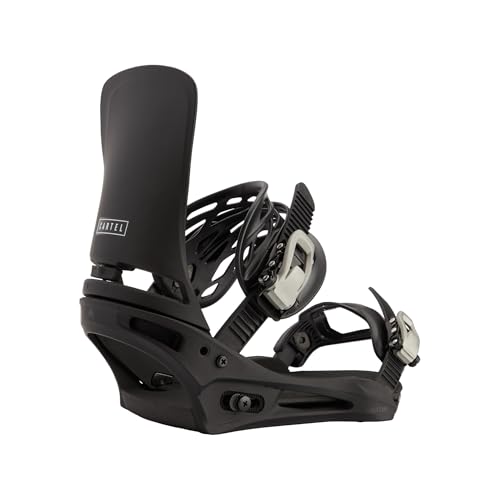
Re:Flex FullBED Cushioning System provides full underfoot cushioning for minimizing fatigue and provides easy access to mounting hardware; DialFLAD system features a rotating dial for adjustments; Hinge Hi-Back technology eliminates hardware and weight for independent adjustments
The Role of Edge Technology in Switch Riding
Edge technology plays a pivotal role in enhancing the switch riding experience for snowboarders, particularly for those still honing their skills. Boards with hybrid profiles, like camber-rocker combinations, offer the perfect marriage of grip and forgiveness, making it easier for beginners to perfect their switch techniques. A slight edge bevel, ideally between 1° to 2°, can drastically reduce aggressive edge grip, ensuring changes feel smoother and less intimidating. The lifted contact points enhance control, cutting down on the risk of edge catching during practice. This thoughtful design helps riders balance confidence and control, allowing them to experiment freely while shifting stances. Quality edge technologies truly empower snowboarders to embrace and enjoy their switch riding journey. Additionally, the use of rocker profiles in ski technology can significantly enhance maneuverability, further aiding in the learning process.
Selecting the Best Base Material
When it comes to selecting the best base material for snowboards, understanding the two primary types—extruded and sintered—can greatly enhance a rider’s performance on the slopes. Extruded bases are made by melting polyethylene pellets into a uniform sheet, offering durability and affordability, perfect for beginners who may encounter obstacles while learning to ride switch. Conversely, sintered bases, created through high-pressure compression of pellets, feature a porous structure that holds wax better, leading to faster speeds and reduced friction—ideal for intermediate riders seeking to hone their skills. While sintered bases provide superior glide efficiency, they require more maintenance and are less repair-friendly. Hence, the choice between extruded and sintered bases ultimately depends on the rider’s needs and level of investment. Additionally, regular maintenance is crucial for maintaining performance, particularly with sintered bases, as neglect can lead to reduced efficiency on the slopes.
Profile Shape Impact on Switch Performance
The profile shape of a snowboard considerably influences switch performance, and choosing the right one can elevate a rider’s experience on the slopes. Traditional camber provides stability and edge hold but may frustrate beginners due to its tendency to catch edges during switch riding. Conversely, rocker profiles offer a forgiving ride, easing the shift and ideal for practicing switch techniques. Hybrid camber shapes blend the benefits of both styles, enhancing versatility while mitigating edge catch. Flat profiles deliver a neutral feel, suitable for newcomers learning basics. Regular board maintenance plays a significant role in preserving performance, especially concerning edge sharpness and overall board health, ensuring riders enjoy their progression in switch riding and build a strong foundation within the snowboarding community. Additionally, understanding flex ratings can help riders choose the right board that matches their skill level and riding style.
Key Terrain for Effective Practice
Selecting the right terrain for effective practice is essential for snowboarders looking to master switch riding techniques. Flat terrain offers a safe space to work on balance and edge engagement without the intimidation of speed, while gentle slopes create a comfortable learning environment for switch turns. Soft snow provides a forgiving surface, reducing the impact of falls and encouraging experimentation. Consistent conditions and minimal obstacles allow riders to focus on skill development and risk management. Gradual changes within variable terrain can enhance techniques with progressive features, such as gentle rollers or low boxes. Ultimately, a thoughtful selection of terrain enables snowboarders to build their confidence and control as they refine their switch riding skills.
Essential Accessories for Enhanced Safety and Comfort
Snowboarders seeking to enhance their switch riding performance must recognize that the right accessories play a crucial role in guaranteeing safety and comfort on the slopes. Essential safety gear includes a helmet, which dramatically reduces the risk of head injuries, and wrist guards that prevent common fractures. Impact shorts and knee pads offer essential protection, especially when learning new tricks, while mouthguards safeguard the teeth and jaw during falls. For comfort accessories, moisture-wicking socks, snowboard-specific boots, and properly fitted bindings enhance fit and reduce fatigue. Bright outerwear increases visibility, while goggles guarantee eye protection. Additionally, packing a hydration system and a multi-tool can facilitate on-the-go adjustments, making every ride more enjoyable and secure, so snowboarders can focus on mastering their skills.
Recommended Products
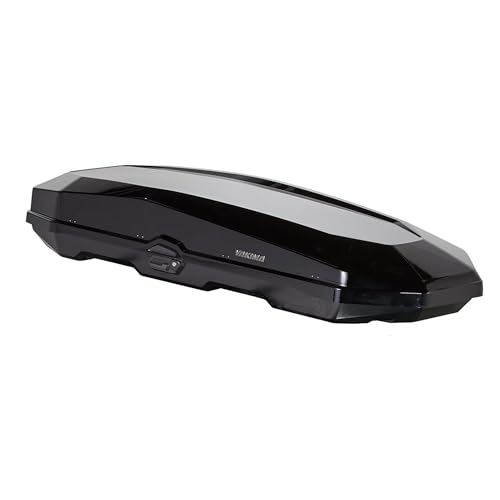
CBX Cargo Box: XXL 21.5-cubic-foot cargo box with a rugged, angular finish and stealth-like texture is ideal for traveling with gear

Functional rooftop cargo box provides 16 cubic feet of additional packing space

More Room for Cargo Space: Provides generous 18 cubic feet of secure storage for up to 4 campers; Fits snowboards and skis up to 195cm.
Frequently Asked Questions
How Can I Improve My Balance While Learning Switch Riding?
To improve balance while learning switch riding, one must focus on proper weight distribution between feet and enhance core stability. This promotes control during turns, fostering confidence and a sense of belonging within the snowboarding community.
What Is the Best Way to Adjust My Bindings for Switch Riding?
To adjust bindings for switch riding, set mirrored duck stance binding angles for symmetry and maintain an appropriate stance width. This guarantees balance, comfort, and control while fostering confidence in mastering both regular and switch techniques.
Should I Wear Different Socks for Comfort in My Snowboard Boots?
Wearing different sock thicknesses, like thermal socks, can notably enhance comfort in snowboard boots. A snug fit with appropriate cushioning is essential for an enjoyable riding experience, fostering a sense of connection within the snowboarding community.
How Often Should I Wax My Snowboard for Optimal Performance?
For ideal glide, waxing frequency should be every 4 to 7 days of riding. Regular maintenance enhances performance, ensuring the snowboard remains responsive and enjoyable, fostering a sense of belonging within the snowboarding community.
Is It Necessary to Have Special Gear for Switch Riding Practice?
It is not necessary to have special gear for practicing switch riding. Regular snowboard equipment, adjusted for a duck stance, can effectively enhance control and confidence, fostering a sense of belonging among riders enthusiastic to learn.


