As an Amazon Associate, we earn from qualifying purchases. Some links on this site are affiliate links at no extra cost to you. Our recommendations are based on thorough research and editorial judgment.


How Does Lens VLT Percentage Affect Visibility in Various Conditions?

Lens VLT percentage greatly impacts visibility by determining how much light passes through. Lower VLT values, typically 5%-20%, excel in bright, sunny conditions by reducing glare and UV exposure, enhancing safety and comfort. In contrast, higher VLT values, ranging from 50%-80%, improve clarity during low-light situations like fog or dusk. Polarization technology further enhances visual comfort by managing glare. Understanding these differences guarantees better performance in outdoor activities, guiding consumers toward the best choice for their adventures. There’s more to explore regarding lens options and their benefits.
Key Takeaways
- VLT percentage determines how much visible light is transmitted, affecting clarity and comfort in different lighting conditions.
- Lower VLT (5%-20%) lenses reduce glare in bright sunlight, enhancing visibility and minimizing eye strain.
- Medium VLT (20%-50%) lenses are suitable for partly cloudy conditions, providing balanced visibility without excessive glare.
- High VLT (50%-80%) lenses improve visibility in low-light environments, such as overcast days or dusk, aiding depth perception.
- Proper VLT selection is crucial for safety; incorrect choices can lead to impaired vision and increased accident risk during outdoor activities.
Understanding Visible Light Transmission (VLT)
You may be interested


Visible Light Transmission (VLT) plays an essential role in determining how much visible light a lens allows to reach the eyes, which is crucial for ideal vision during various activities, including skiing and other outdoor sports. VLT is expressed as a percentage, with lower values indicating darker lenses that block more visible light, and higher values corresponding to lighter, more transparent lenses. For instance, very low VLT (8-18%) suits bright, sunny conditions, while high VLT (above 40%) facilitates visibility in low-light environments. This measurement applies to various optical products, such as sunglasses and goggles. By understanding VLT, outdoor enthusiasts can select the right lenses to enhance visual comfort, reduce strain, and ultimately enjoy better outdoor experiences. Additionally, selecting goggles with anti-fog technology can further improve visibility in changing weather conditions.
The Impact of VLT on Visibility in Different Lighting Conditions
When selecting lenses for outdoor activities, understanding the impact of VLT on visibility in various lighting conditions is paramount, as the right choice can enhance both safety and enjoyment. High VLT percentages are advantageous in low-light scenarios, ensuring clear visibility during activities like driving at dawn or dusk, while lower VLT lenses excel in bright conditions, effectively reducing glare and UV exposure. In contrast, high VLT lenses can create discomfort in bright lighting situations, impairing vision and leading to potential hazards. Consequently, the VLT effects must be carefully considered based on specific lighting scenarios to optimize performance and enhance user experience, fostering a sense of confidence and belonging within the outdoor community. Choosing the right lenses with polarized dual-layer lenses can significantly improve visual clarity on the slopes.
Recommended Products

Revolutionary open ear audio sunglasses allow you to hear music and surroundings simultaneously during workouts for improved awareness

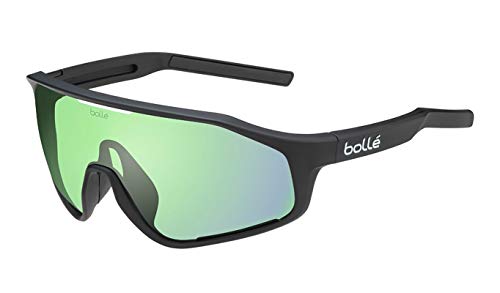
[Lens Technology : Mineral Polarized Photochromic Spectral Control] The Purest Photochromic Polarized sun lenses See the world in a new light with The Purest polarizing photochromic sun lenses. These high-quality lenses adapt to all lighting conditions, providing clear and comfortable vision at all times.
How VLT Affects Eye Fatigue and Comfort

The selection of lens VLT (Visible Light Transmission) is essential for maximizing eye comfort and minimizing fatigue during outdoor activities, as it directly influences how the eyes respond to varying light conditions. Lenses with lower VLT percentages effectively reduce glare, promoting significant strain reduction by minimizing pupil adjustment and limiting excessive light exposure that can overwork eye muscles. Conversely, higher VLT lenses may yield optical fatigue in bright conditions, causing the eyes to fight constant brightness. Advanced lens technology, like polarization, enhances glare management, further improving visual comfort in reflective environments. Additionally, appropriate wavelength filtering helps alleviate digital strain, benefiting those engaging with screens. Choosing the right VLT guarantees long-lasting comfort, keeping fatigue at bay during outdoor adventures, especially in low light conditions where visibility is crucial.
Choosing VLT for Outdoor Activities and Sports

Selecting the right lens VLT for outdoor activities and sports can considerably impact performance and comfort, as it directly relates to how well the eyes can adapt to varying lighting conditions. For bright conditions, low VLT lenses (5%-20%) in dark lens colors excel by reducing glare and enhancing contrast on reflective terrains. Conversely, medium VLT lenses (20%-50%) are better suited for partly cloudy days, accommodating shifts in light. High VLT lenses (50%-80%), perfect for overcast or foggy weather, improve optical clarity in low-light environments. Additionally, some Oakley models, such as the Target Line L, feature prism lenses that enhance clarity and depth perception, making them ideal for various conditions. Personal preference, terrain type, and activity type should guide selection, while brand comparisons can help identify lenses crafted from superior materials for durability and performance, ensuring an enjoyable experience across diverse outdoor adventures.
Recommended Products

Green Mirror, a versatile, all-purpose lens for anglers. The brown amber base and 12% light transmission great for fishing the flats reefs and shorelines.

Rose Mirror, the ultimate sight-fishing lens. With a light copper base and 18% light transmission made for the flats rivers and lakes under canopies and cloud cover.

Blue Mirror, designed for offshore performance. The gray base and 10% light transmission our offshore fishing and boating lens for when the sun is extremely bright.
VLT Selection for Sunny vs. Overcast Days

Understanding the right VLT selection for different weather conditions is essential for enhancing both performance and comfort during outdoor activities. For sunny days, lens selection strategies should focus on low VLT percentages, ideally below 25%, typically between 8% and 17%, to reduce glare and eye strain. Dark tints such as black or dark grey are ideal for this environment. Conversely, overcast days benefit from higher VLT percentages, around 40% to 70%, with yellow or amber tints that improve contrast and visibility amid lighting variation effects. Choosing the right lens guarantees peak performance, enhancing enjoyment during activities while safeguarding eye health, allowing enthusiasts to embrace their adventures with clarity and confidence. Additionally, understanding the importance of UV protection can further enhance safety from harmful rays reflecting off snow.
Recommended Products
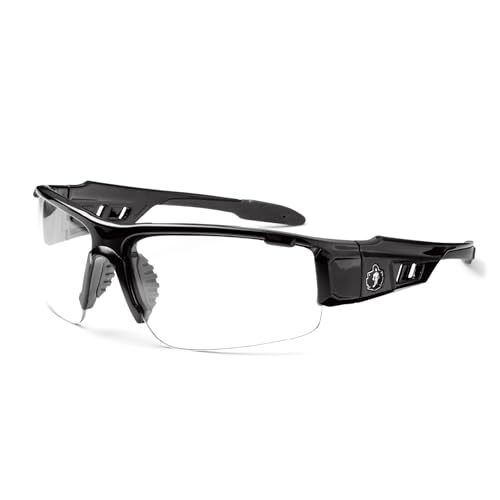
Sleek half frame blade style safety glasses.

Relive The Classic: A vintage retro shades that is always in for generations. A versatile piece that is ideal outdoors whether you are gardening, hunting, fishing, travelling, and for those family beach trips and bbq's.

Stylish: Enjoy the classic, retro, and vintage round 80's style shades that will keep your Veu's shady outdoors. A timeless and iconic piece that is ideal for daily use, travels, parties, and special occasions.
Technical Aspects of VLT in Lens Design
Lens design incorporates various technical aspects of Visible Light Transmission (VLT), reflecting the interplay between material properties and user experience. The lens material, whether polycarbonate or glass, markedly influences absorption characteristics, affecting final VLT values. Coating effects, such as anti-reflective or mirrored finishes, further enhance light transmission while adjusting performance. Measurement precision through advanced photometric processes guarantees reliable VLT quantification, enabling nuanced differentiation. Curvature considerations and varying thickness impact light scatter, potentially modifying effective VLT. Additionally, the refractive index plays an essential role in the light path, necessitating careful calibration. Durability factors, including scratch-resistant coatings, may also impact overall transmission without greatly altering the lens’s aesthetic appeal, creating a harmonious balance between functionality and style. Furthermore, dual-layer lens technology is crucial for minimizing fogging and enhancing overall visibility in varied weather conditions.
The Relationship Between VLT and Lens Tint Darkness
While considering the ideal lens for various light conditions, it becomes clear that the relationship between Visible Light Transmission (VLT) and lens tint darkness is essential to optimizing performance. VLT percentage directly indicates tint correlation, with lower values corresponding to darker lenses that greatly reduce glare in intense sunlight—a vital feature for outdoor enthusiasts traversing bright environments. Lens categories help consumers steer through options; for instance, Category 0 lenses with VLTs between 80-100% are nearly clear and perfect for night skiing, while Category 4 lenses with 3-8% VLT excel in extreme conditions. Understanding these specifications allows consumers to make informed choices, ensuring comfort and safety during activities, while maximizing visibility and style. Additionally, many OTG ski goggles incorporate advanced anti-fog technology to maintain clear vision in varying conditions.
Safety Implications of Incorrect VLT Selection
The selection of sunglasses or goggles with the appropriate Visible Light Transmission (VLT) percentage plays an essential role in guaranteeing safety during outdoor activities, as even a slight mismatch in VLT can lead to significant risks. Choosing lenses with too low VLT in dim conditions can obstruct visibility, creating safety hazards by impairing depth perception and increasing the likelihood of accidents. Similarly, high VLT lenses in bright light can produce glare, compromising clarity and comfort. Adhering to lens regulations and selecting the proper VLT for specific activities—like skiing, biking, or driving—can greatly enhance visual performance and situational awareness. Consequently, making informed decisions about VLT not only promotes safety but also guarantees a more enjoyable outdoor experience. Additionally, understanding lens tint for different weather conditions can help in selecting the right goggles for varying light conditions on the slopes.
Recommended Products

ENERGY-SAVING WINDOW TINT FILM: This light-blocking window film can block up to 99% of UV rays and 95%–99% of IR heat rays from entering your home, saving you money on your monthly energy bill and efficiently cooling the house.

INTENDED USE: The Razor Edge has an oversized and cylindrical REACTIV lens with maxed-out peripheral and vertical vision and a fully frameless shape. Assertive style meets clear vision for backcountry charging and resort hotlaps.

Blue Mirror, designed for offshore performance. The gray base and 10% light transmission our offshore fishing and boating lens for when the sun is extremely bright.
The Role of Polarization in VLT and Visual Comfort
Selecting the right eyewear for outdoor activities not only hinges on VLT percentage but also greatly benefits from the integration of polarization. Polarization effects enhance visual comfort by effectively reducing glare, particularly in high-glare environments like beaches and snowfields. By blocking horizontally oriented light waves, polarized lenses allow for clearer vision and decreased eye strain. However, it is essential to note that polarized lenses typically have a lower VLT, ranging from 5–40%, compared to non-polarized options. This makes them ideal for bright conditions but less effective in low-light situations where sufficient light transmission is needed. Consequently, choosing polarized lenses involves balancing glare reduction with the specific VLT requirements of your environment, ensuring a superior visual experience. Additionally, the anti-fog features of magnetic lens goggles can further enhance visibility during high activity levels.
Practical Tips for Optimal VLT Choices
How can outdoor enthusiasts guarantee they are making the best choice regarding lens VLT for their specific activities? Selecting the appropriate lens type greatly influences performance and safety. For bright, sunny days, low VLT lenses (5%-20%) are ideal, blocking glare and enhancing visual comfort, particularly useful in snow or water environments. Conversely, medium VLT lenses (20%-50%) are versatile for variable conditions, balancing brightness and terrain perception. Enthusiasts engaging in low-light activities should opt for high VLT lenses (50%-80%), improving visibility without glare. Additionally, understanding color impacts can aid in enhancing contrast and minimizing eye strain. Ultimately, carrying multiple VLT options guarantees adaptability, enabling outdoor lovers to fully embrace their adventures, regardless of the shifting elements. Furthermore, selecting goggles with antifogging technologies can significantly enhance user comfort in varying weather conditions.
Recommended Products

FRAME FEATURES: OO9512D CYBR Zero feature a rectangular, matte white frame and clear photochromic 50% black iridium lenses.

Stylish Meets Performance: Engineered for those who demand both style and function, Oakley sunglasses deliver cutting-edge design and advanced optics for any environment. Whether you're pushing limits under the sun or enjoying a laid-back day outdoors, these shades offer the perfect fusion of sporty aesthetics and all-day performance — all wrapped in a sleek Polished White frame with striking Prizm Snow Sapphire Irid lenses.

Lightweight frame design for all-day comfort
Frequently Asked Questions
Can VLT Percentages Vary Between Different Lens Brands?
Yes, VLT percentages can vary between different lens brands due to brand comparison in lens technology, testing methods, materials, and coatings. These factors create discrepancies, influencing the overall visual experience and performance in varied conditions.
How Does VLT Affect Color Perception in Lenses?
A painter’s palette thrives in sunlight; similarly, higher VLT lenses enhance color clarity. Lens tint greatly influences this, where vibrant hues emerge prominently, fostering a sense of connection with the surrounding beauty, urging appreciation of the world.
Are There Universal VLT Standards Across the Industry?
No universal VLT standards exist across the industry; various VLT guidelines and regulations differ regionally and by manufacturer. This variability can lead to confusion, emphasizing the need for consumers to understand specific categorizations when selecting lenses.
Do Photochromic Lenses Have Specific VLT Ratings?
Photochromic lenses indeed possess specific VLT ratings, reflecting their tailored adaptability. As light conditions shift, their performance becomes evident, enchanting users seeking clarity and comfort—a journey towards enhanced visibility in every moment encountered.
What Role Does VLT Play in Fashion Eyewear Trends?
VLT greatly influences fashion eyewear trends by dictating lens tint and aesthetic versatility. High VLT options align with minimalistic styles, while low VLT caters to bold statements, reflecting evolving consumer preferences for stylish, functional accessories.