As an Amazon Associate, we earn from qualifying purchases. Some links on this site are affiliate links at no extra cost to you. Our recommendations are based on thorough research and editorial judgment.

What Anti-Fog Technologies Are Most Effective in Winter Goggles?

Effective anti-fog technologies in winter goggles include advanced hydrophilic coatings that spread moisture for clarity, and hydrophobic treatments that repel water droplets, enhancing vision. Efficient ventilation systems, such as the SuperFlow System, improve airflow, reducing fog during exertion. Interchangeable lenses provide adaptability for varying light conditions. Models like Oakley Fall Line and Smith Squad Mag showcase exceptional performance with their dual-pane designs and moisture-wicking foam. Understanding these features can aid in selecting the best goggles for fog-free skiing experiences.
Key Takeaways
- Hydrophilic coatings attract moisture, spreading it evenly to maintain clarity and minimize fogging on winter goggles.
- Hydrophobic treatments cause water to bead and roll off, preventing distortion from droplets on lens surfaces.
- Effective ventilation systems allow moist air to escape, enhancing airflow and reducing fog risk during physical activity.
- Double-lens designs create thermal barriers that minimize condensation by separating warm air from cold lenses.
- Interchangeable lenses optimized for light conditions provide versatility, while maintaining integrated anti-fog technology ensures clear visibility.
Understanding Fogging in Winter Conditions
You may be interested

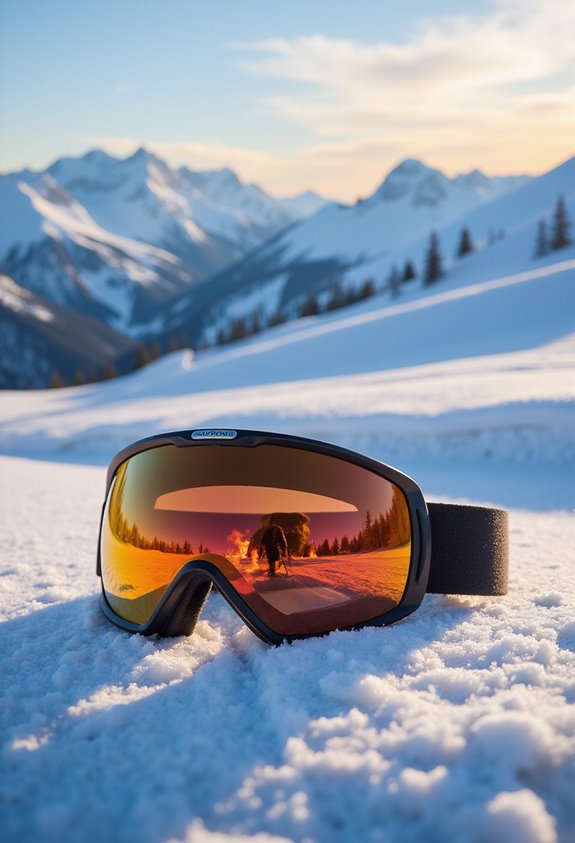
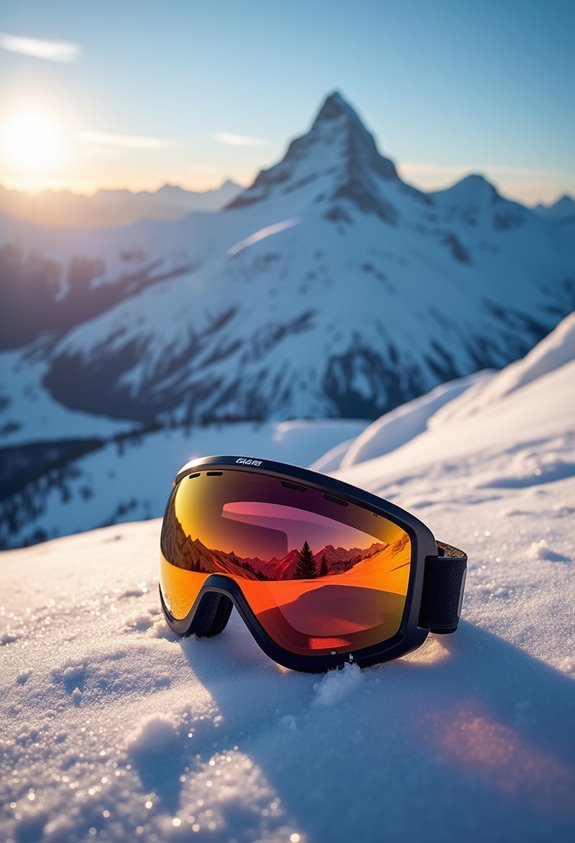
Fogging in winter goggles is a common inconvenience that skiers and snowboarders face, especially when the outdoor temperatures contrast sharply with body heat generated during activities. Fog formation occurs when warm, humid air from the face contacts the cold lens, causing condensation that obscures vision. This often results from poor ventilation or improper fit, trapping humid air inside. Moreover, when outdoor temperatures fluctuate, the risk of fog increases dramatically. Effective condensation prevention strategies can mitigate these issues; for example, double-lens designs create thermal barriers, while anti-fog coatings break water’s surface tension. Additionally, ensuring proper helmet integration and goggle fit can greatly enhance airflow, as tightly sealed goggles may actually trap heat and moisture inside, leading to foggy frustration. Furthermore, choosing goggles with advanced anti-fog coatings can significantly improve clarity and reduce fogging during winter sports.
SuperFlow System Technology for Enhanced Ventilation
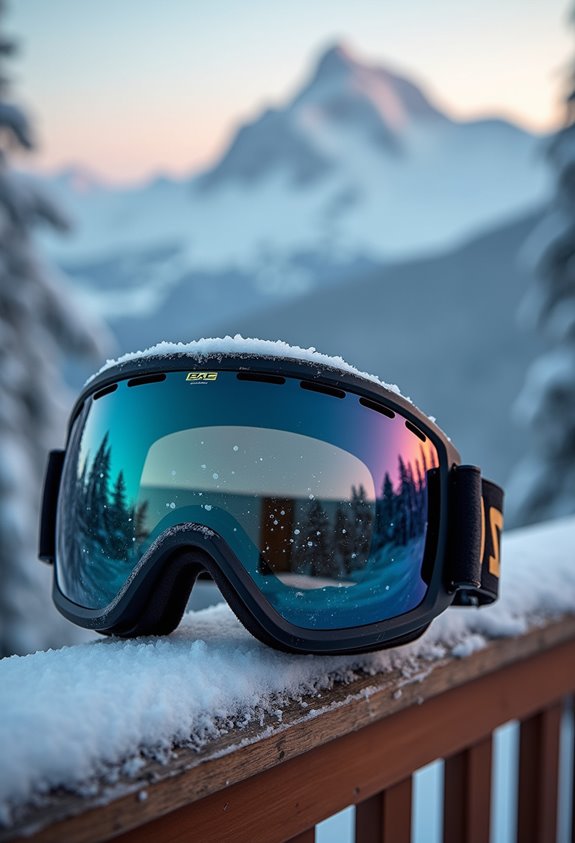
The SuperFlow System represents a significant advancement in goggle ventilation technology, providing skiers and snowboarders with an innovative solution to the frustrating issue of fogged lenses. This system allows users to activate a mechanical operation where the lens pops away from the frame, creating a ventilation gap that enhances airflow without compromising the seal during descents. The SuperFlow benefits include immediate fog reduction during physical exertion, making it ideal for backcountry adventures and eliminating the need to switch to sunglasses. With options for various lens types, including photochromic, the SuperFlow stands out in its versatility and functionality. By maintaining consistent airflow and comfort, this technology guarantees an enjoyable experience on the slopes for enthusiasts committed to clarity and performance. Additionally, goggles equipped with anti-fog technology are essential for maintaining visibility in varying weather conditions.
Recommended Products

Spherical Dual REVO Lenses: The professional adult ski goggles design as Frameless. The lens of the ski goggles is very clear. The Winter Sports Goggles would take you wide and clean vision, you can see the beautiful snow scene without blocking your view when you are snowboarding downhill. The full REVO coating makes it much more cool and scratch proof.

【Cylindrical REVO Lens – Sharp, Clean, True View】Engineered to enhance contrast and reduce glare, the cylindrical REVO lens reveals terrain with crisp clarity.From icy ridges to soft powder, every contour appears more natural—helping you react faster and ride with confidence.
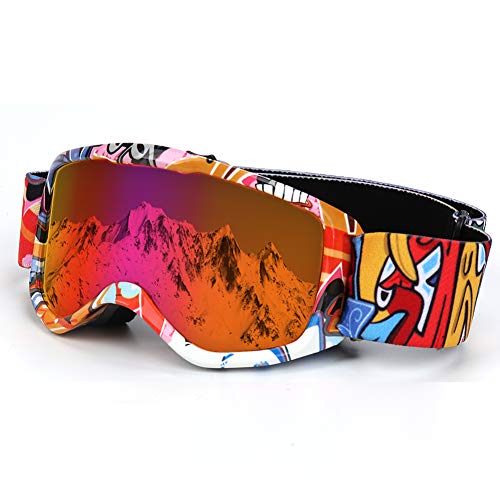
Clarity View - The outdoor snowboard goggles with panoramic design, wider field of vision, can obtain crystal clear views and wide vision when skiing and snowboarding.
Anti-Fog Coatings: How They Work
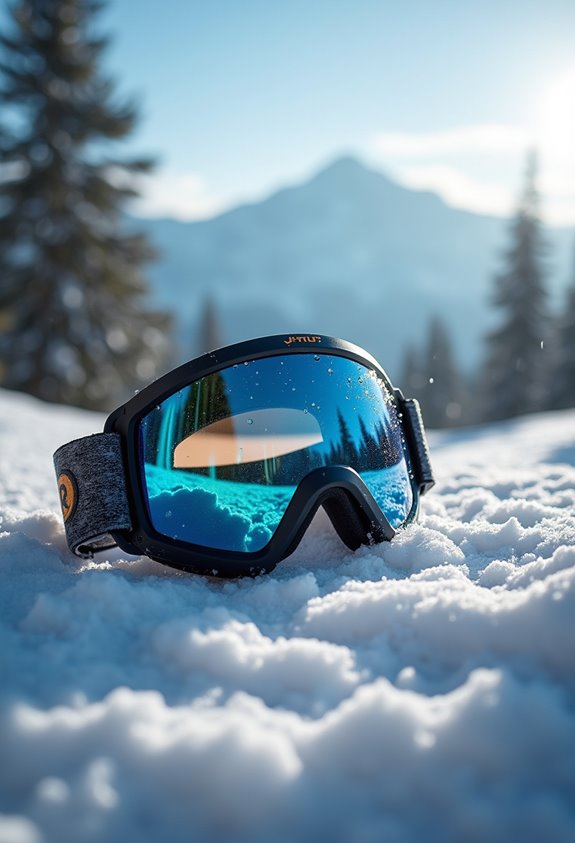
Harnessing innovative technology, anti-fog coatings have revolutionized the performance of winter goggles by addressing one of the most common frustrations faced by skiers and snowboarders: lens fogging. These hydrophilic coatings attract and spread moisture evenly across the lens, eliminating unsightly fogging. By reducing surface tension, they create a thin, transparent water film, maintaining clarity even in fluctuating temperatures. The durability of these coatings is enhanced through advanced surface engineering techniques, promoting high adhesion to lens materials while resisting wear. Options range from pure hydrophilic coatings for stable conditions to hybrid models that absorb moisture effectively across varied environments, ensuring optimum visibility. This integration of performance features showcases the exceptional capabilities of modern anti-fog technology, elevating the skiing experience. Additionally, incorporating anti-fog systems and dual lens designs can further minimize fogging, enhancing visibility in low light conditions.
Recommended Products

OTG (Over-The-Glasses) Design: Ski goggles that fits over glasses. Suitable for both adults and youth

Frame Type Full Rim

FAST-ACTING FORMULA: Our anti-fogging spray for swim goggles quickly and effectively stops fogging on all surfaces to enhance clarity.
The Role of Ventilation Systems in Goggles
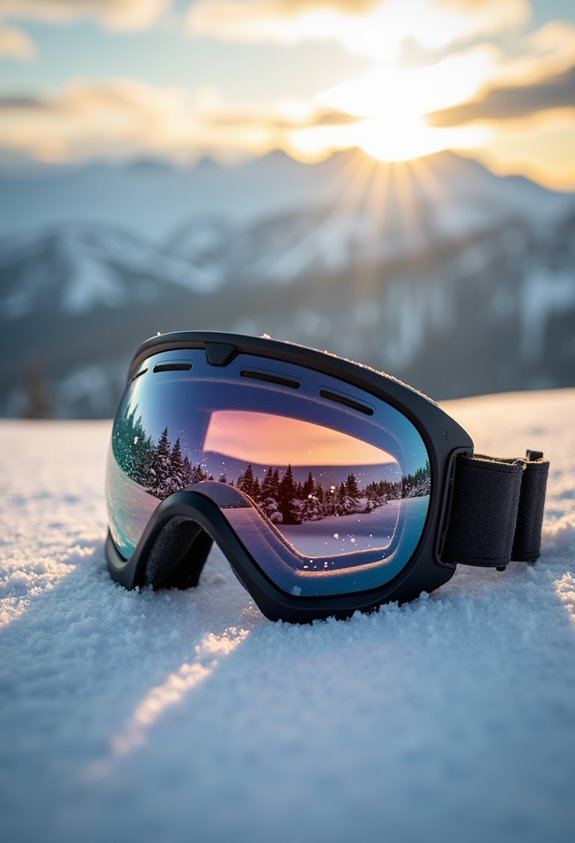
How can skiers and snowboarders truly maximize their visibility and comfort on the slopes? The role of ventilation systems in goggles is essential, as effective ventilation design allows moist air to escape and fresh air to flow in, drastically improving airflow efficiency. Peripheral vents, strategically placed on various goggle sections, enhance air circulation while larger models offer bigger vents for decreased fog risk—though helmet compatibility is important to avoid blockage. Technologies like the Julbo SuperFlow system facilitate adjustable ventilation, allowing skiers to adapt airflow on-the-fly, especially significant during climbs or stops. With features like mesh ventilation and breathable foam padding, skiers can confidently tackle snow-covered terrain, knowing they have high-performance gear designed to keep fog at bay for an unencumbered experience. Additionally, the anti-fog technology integrated into models like the Dragon NFX2 significantly reduces moisture buildup, further enhancing clarity and performance on the slopes.
Advantages of Interchangeable Lens Technologies
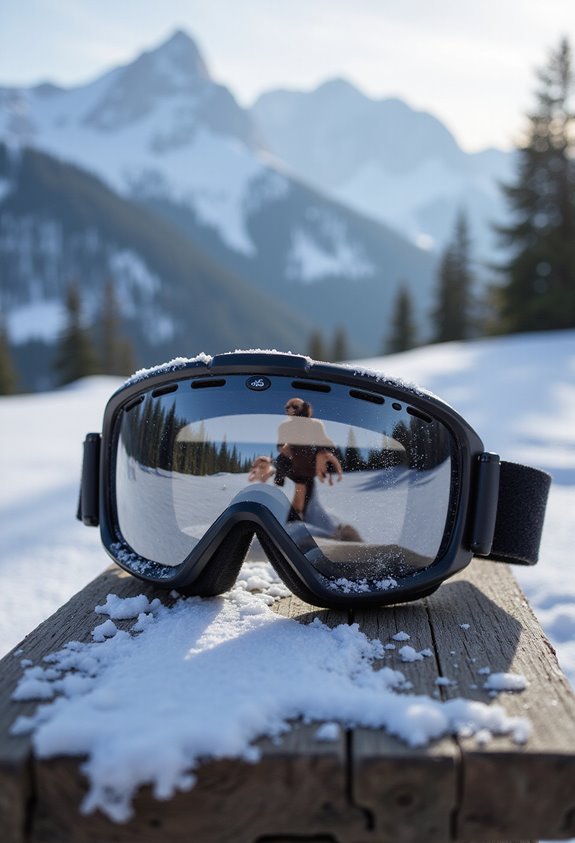
Interchangeable lens technologies have revolutionized the world of winter sports goggles, offering skiers and snowboarders unparalleled versatility and performance. The interchangeable advantages include the ability to quickly swap lenses in seconds, thanks to magnetic systems designed for ease of use without removing the goggles. This lens flexibility allows users to adapt instantly to varying light conditions, enhancing their experience on the slopes. Popular brands like Smith and Giro feature lenses optimized for different environments, providing UV protection and anti-fog coatings that improve clarity. Additionally, users can maintain one goggle frame throughout the season, reducing waste and economic burden. Overall, these advancements not only promote user convenience but elevate safety and enjoyment while embracing the great outdoors. Furthermore, the integration of anti-fog technology ensures that visibility remains clear even in the most challenging weather conditions.
The Impact of Dual-Lens Design on Fog Prevention
The effectiveness of dual-lens design in winter goggles markedly reduces fogging issues often encountered by skiers and snowboarders. This lens technology employs a thermal barrier between the warm face and the cold air, substantially reducing the risk of condensation. Enhanced ventilation systems are essential, facilitating improved airflow and actively managing moisture to maintain fog clarity. The dual-lens design also guarantees a durable product, performing consistently over time despite harsh conditions. Users appreciate these goggles for their ability to keep vision unobstructed, enhancing overall safety and enjoyment on the slopes. Investing in quality dual-lens goggles can dramatically elevate the skiing experience, offering reliable protection against the frustrating fog that disrupts visibility. Additionally, anti-fog technology plays a crucial role in ensuring clear vision, making it a vital feature in high-performance goggles.
Exploring Photochromic Lenses for Variable Light Conditions
When skiing or snowboarding, maintaining ideal visibility is essential for safety and enjoyment, especially in variable light conditions. Photochromic lenses offer remarkable photochromic advantages, automatically adjusting their tint in response to changing UV light, ensuring lens adaptability for various weather scenarios. For instance, Julbo’s REACTIV lenses change in as little as 20 seconds, providing quick adjustments, while Bollé’s Phantom lenses deliver clarity in under 30 seconds. Additionally, these lenses afford 100% UV protection and often include polarization to mitigate glare from the snow, enhancing comfort. With a wide range of temperature performance and the convenience of not needing multiple lenses, photochromic goggles combine efficiency and safety on the slopes, making them a smart investment for any winter sports enthusiast. Their effectiveness is further amplified by the inclusion of anti-fog technology, which is essential for maintaining clear vision on the slopes.
The Benefits of Hydrophobic Treatments
Utilizing advanced hydrophobic treatments can greatly enhance the performance of winter goggles, guaranteeing that skiers and snowboarders maintain ideal visibility in challenging weather conditions. These coatings notably improve hydrophobic effectiveness by causing water to bead and roll off the lens surface, effectively maintaining optical clarity and reducing glare. The water resistance provided by such treatments prevents droplets from distorting vision, especially during sweat or rainfall. Additionally, these lenses remain cleaner longer, as dirt and grime struggle to adhere, facilitating easier maintenance. While the durability of hydrophobic coatings generally outlasts hydrophilic alternatives, proper care is essential for preserving their performance. Ultimately, investing in hydrophobic-treated goggles guarantees a clearer, more enjoyable experience on the slopes, allowing for peak focus and connection with fellow enthusiasts. Moreover, the importance of warmth and style in winter gear cannot be overlooked, as it contributes significantly to overall performance and comfort during outdoor activities.
Evaluating Ventilation Design in Top Goggles
Ventilation design plays a crucial role in the performance of winter goggles, ensuring that skiers and snowboarders can navigate the slopes with clarity and comfort. Key to this is ventilation effectiveness, which is enhanced by features such as strategically placed vents and dual-lens systems that promote airflow while minimizing fog buildup. High-end goggle designs often include adjustable ventilation options, allowing users to adapt to changing conditions and activities. For example, the SuperFlow System creates intense air circulation, rapidly clearing fog. Additionally, mesh vents prevent snow intrusion while facilitating air exchange. By promoting ideal ventilation effectiveness, top goggles not only enhance visibility but also increase comfort, ensuring users can fully enjoy their time on the slopes. Many models also incorporate anti-fog technology, which significantly reduces lens fogging during use.
Recommended Products

The FRAME is a higher hardened surface with good anti-chemicals; the stronger elasticity bring less deformation or any breakages

TPX lightweight frames float in water while adjustable strap on these sunglasses ensures secure, comfortable fit

Helmet compatible kids ski goggles: Snow goggles compatible with any ski helmet. Suitable for boys & girls 6 years and older. Available in several different colorful lenses and frame options
Importance of Proper Fit and Helmet Compatibility
The performance of winter goggles is greatly influenced by their fit and compatibility with helmets, guaranteeing skiers and snowboarders experience maximum comfort and visibility on the slopes. Proper goggle fit, characterized by snug foam quality against the face shape, eliminates gaps that can reduce sealing effectiveness and invite fog. Ideal helmet alignment allows goggles to rest comfortably without pressure, enhancing comfort levels. Size compatibility between goggles and helmets is vital; testing methods should be applied to confirm a secure connection that prevents slipping. Adjustability in straps can customize fit further, while advanced helmets may offer vent integration with goggles. For an awesome experience, selecting the right combination guarantees the best anti-fog performance and overall protection from the elements. Additionally, utilizing goggles with anti-fog coatings can significantly enhance visibility in challenging weather conditions.
Recommended Products

OTG (Over-The-Glasses) Design: Ski goggles that fits over glasses. Suitable for both adults and youth

Helmet compatible kids ski goggles: Kids snow goggles compatible with any ski helmet. Suitable for both boys & girls. Available in several different colorful lenses and frame options

Helmet compatible kids ski goggles: Snow goggles compatible with any ski helmet. Suitable for boys & girls 6 years and older. Available in several different colorful lenses and frame options
Comparing Different Anti-Fog Technologies
While skiing or snowboarding, visibility can be drastically impaired by foggy goggles, which is why understanding and comparing different anti-fog technologies is essential for anyone keen on hitting the slopes with maximum clarity. Anti-fog coatings, including hydrophobic and hydrophilic options, vary in anti-fog effectiveness and lens durability, with hydrophobic coatings repelling moisture and hydrophilic coatings absorbing it. Ventilation systems enhance airflow, reducing fog, especially in designs that promote open frame circulation. Dual pane lenses effectively minimize condensation but may introduce slight distortion, while single layer lenses offer superior optical clarity with advanced anti-fog coatings. Understanding these features helps enthusiasts select the right goggles for peak performance, ensuring clear vision on the slopes.
Recommended Products

Performance Ski Goggles with Frameless Design: Large spherical, frameless lens provides a truly unobstructed and clear view of the slopes. Designed for ultimate performance and comfort
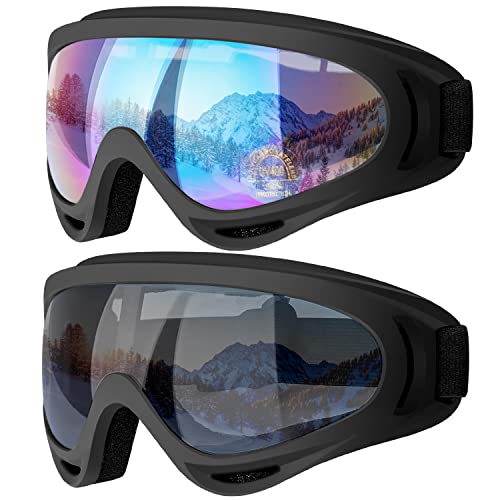
Compatible with Most People: Bring COOLOO Ski Goggles out with your Family and Friends for outdoor sports! They fit men, women, teens and youth. Extra long elastic strap ensures great helmet compatibility with all helmets.

Suitable for All Family Members: These ski goggles are suitable for men, women and teens. Ergonomic design ensures clear vision while skiing or snowboarding, and comfortable wearing experience. These snow goggles feature OTG (Over-The-Glass) design, allowing you to wear them over the glasses.
Real-World Performance: User Experiences and Reviews
User experiences reveal clear insights into the real-world performance of various anti-fog goggles, underscoring the essential relationship between technology and user satisfaction. For example, Glade Optics Fathom Goggles receive rave reviews for their excellent ventilation system and anti-fog performance, although users noted the lenses scratch easily. The Oakley Fall Line stands out with its high-performance anti-fog coating and dual-pane lenses, ensuring quick fog clearing, while the Smith Squad Mag goggles impress users with moisture-wicking foam and effective AirEvac ventilation. Reviews for Julbo Cyrius highlight superb ventilation and fast-acting photochromatic lenses, offering reliable fog reduction in diverse temperatures. Ultimately, user comfort and effective moisture management are pivotal in enhancing the skiing experience.
Frequently Asked Questions
How Do Different Climates Affect Anti-Fog Performance in Goggles?
Different climates challenge anti-fog performance in goggles, as humidity intensifies condensation, and temperature fluctuations create disparities. Colder environments foster fogging, while humid conditions exacerbate moisture buildup, necessitating advanced designs for effective visual clarity and comfort.
Can Anti-Fog Treatments Wear off Over Time?
Anti-fog treatments can indeed wear off over time. Longevity concerns arise from various factors affecting their effectiveness, including environmental conditions and maintenance. Regular reapplication guarantees ideal performance, fostering a shared experience among enthusiasts seeking clarity.
Are There Maintenance Tips for Preserving Anti-Fog Efficiency?
To keep anti-fog products effective, regular maintenance techniques like gentle cleaning, proper storage, and appropriate handling are essential. These practices guarantee longevity and ideal performance, allowing users to enjoy clear vision without interruptions on the slopes.
Do Wearing Glasses Impact Fogging in Winter Goggles?
Wearing glasses greatly impacts fogging in winter goggles. Lens coatings and optical adjustments may help, but improper fit can obstruct airflow, trapping moisture and exacerbating fog issues, creating challenges for those seeking clear visibility.
What Common Mistakes Cause Goggles to Fog Up?
Common mistakes leading to foggy goggles include improper goggle fit that restricts airflow and the neglect of lens coating maintenance. Users often overlook these factors, resulting in frustrating experiences and diminished enjoyment during winter activities.