As an Amazon Associate, we earn from qualifying purchases. Some links on this site are affiliate links at no extra cost to you. Our recommendations are based on thorough research and editorial judgment.

What Safety Certifications Should You Look for in Ski Helmets?

When selecting a ski helmet, seek safety certifications like ASTM F2040, EN 1077, and SNELL S98. These standards guarantee the helmet has passed rigorous impact tests and retention evaluations, providing maximum protection. ASTM F2040 focuses on impact protection and retention strength, while EN 1077 guarantees durability in various conditions. SNELL S98 emphasizes superior protection through extensive testing. Choosing a certified helmet fosters community and confidence on the slopes, leading to safer skiing experiences. Learn more about essential features and certifications in ski helmets.
Key Takeaways
- Look for CE EN 1077 certification, which evaluates shock absorption and mandates rigorous impact testing for helmets sold in Europe.
- Check for ASTM F2040 certification, ensuring helmets meet U.S. standards for impact protection and secure retention systems during snow sports.
- Consider SNELL S98 certification that provides superior protection through comprehensive testing for durability and shock absorption in real-world scenarios.
- Ensure the helmet’s retention system, such as chin straps, is robust and compliant with CPSC standards for positional stability and safety.
- Seek helmets with advanced safety technologies, like WaveCel, for enhanced impact force reduction and overall protection.
Understanding Helmet Safety Standards
You may be interested


Safety in skiing is paramount, and understanding helmet safety standards is essential for skiers of all levels. Various certifications, such as CE EN 1077 and CSA Z263.1, guarantee helmets meet rigorous safety requirements, focusing on critical factors like helmet materials and advanced helmet technologies. The CE EN 1077 standard evaluates shock absorption capabilities, requiring helmets to withstand significant impacts while protecting the head and guaranteeing a clear field of vision. Additionally, durability tests verify that helmets maintain their protective features through varying conditions, such as extreme cold or multiple impacts. Selecting a helmet with sound certification not only guarantees safety but fosters a sense of belonging within the skiing community, where shared experiences are made safer with reliable gear. It’s also essential to consider helmets equipped with MIPS technology, which significantly enhances safety by reducing rotational forces during impacts.
ASTM F2040: U.S. Certification for Snow Sports
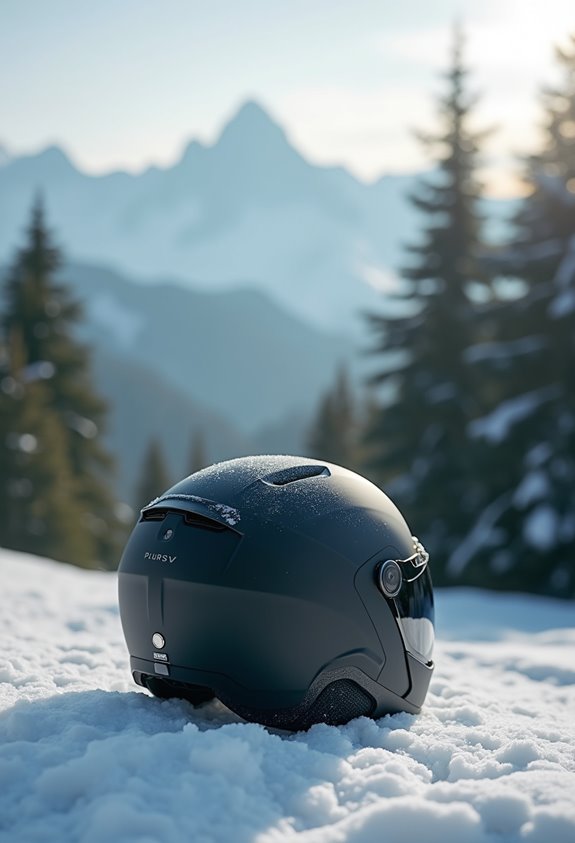
When it comes to selecting a helmet for snow sports, understanding ASTM F2040 certification is essential for ensuring maximum protection while skiing or snowboarding. This certification, specifically tailored for nonmotorized sports, validates helmet design based on rigorous performance standards like impact protection and retention system strength. Helmets compliant with ASTM F2040 undergo dynamic tests that simulate real-world falls, ensuring they absorb shocks effectively. Critically, these helmets exhibit exceptional roll-off resistance, maintaining their position during sudden movements. While they excel in lower-speed impact protection, users must remain cautious, as the technology has its limits. Authentic ASTM F2040-certified helmets bear a recognizable sticker, reassuring skiers and snowboarders of their commitment to safety in their outdoor adventures. Additionally, helmets should also meet international safety standards to ensure comprehensive protection across different regions.
EN 1077: The European Skiing Standard
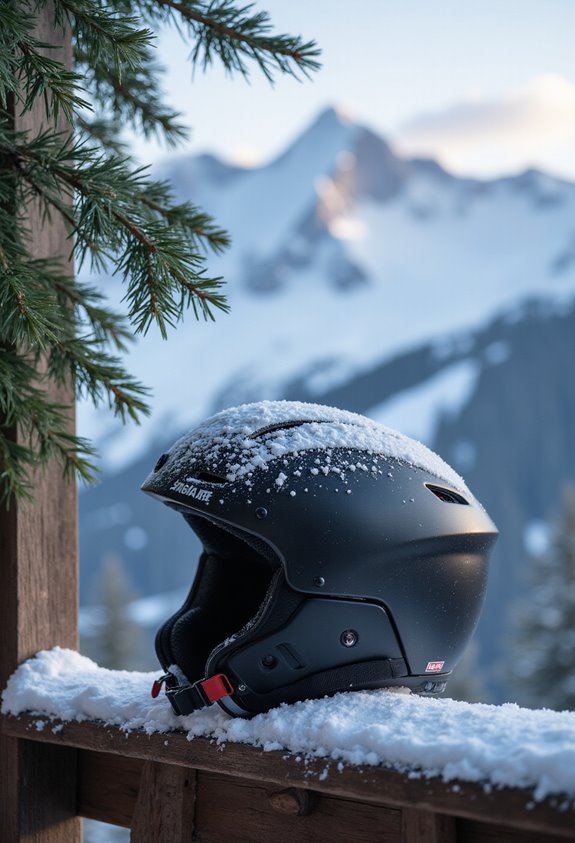
EN 1077 serves as the benchmark for ski and snowboarding helmets in Europe, establishing the necessary safety and performance criteria to protect users on the slopes. This standard includes two helmet classifications: Class A offers ear coverage, while Class B is designed without it. Both classifications guarantee helmets meet essential safety requirements for impact absorption and durability. Helmets must endure rigorous impact testing, absorbing kinetic energy during collisions with surfaces like ice or rocks, effectively minimizing the force transmitted to the head. Compliance with EN 1077 is mandatory for helmets sold in the European market, reinforcing the commitment to reducing head injury risks. Skiers can confidently choose certified helmets, knowing they prioritize safety while enjoying their time on the slopes. Additionally, opting for Snell-rated helmets can provide even greater assurance of protection due to their rigorous testing standards.
Recommended Products

Optimal Protection: The ski helmet is built with MIPS (Multi-Directional Impact Protection System), a super-light shock-absorbing Polycarbonate material shell and high-density impact-absorbing EPS foam constitute multiple protection system, provides ultimate protection to your head from skiing falls or knocks. Inner cushion covers the whole head area. Taking the cushion out, you will see the MIPS covering the head area. ASTM F2040 and CE EN 1077 certified

CERTIFICATIONS: MODBC is triple certified to EN 1077, ASTM F2040, and EN 12492 which is the mountaineering standard.

Comfortable Safety: Ski helmet built for both comfort and safety. Equipped with reinforced ABS shell & shock-absorbing EPS core
SNELL S98: Rigorous Testing Protocols
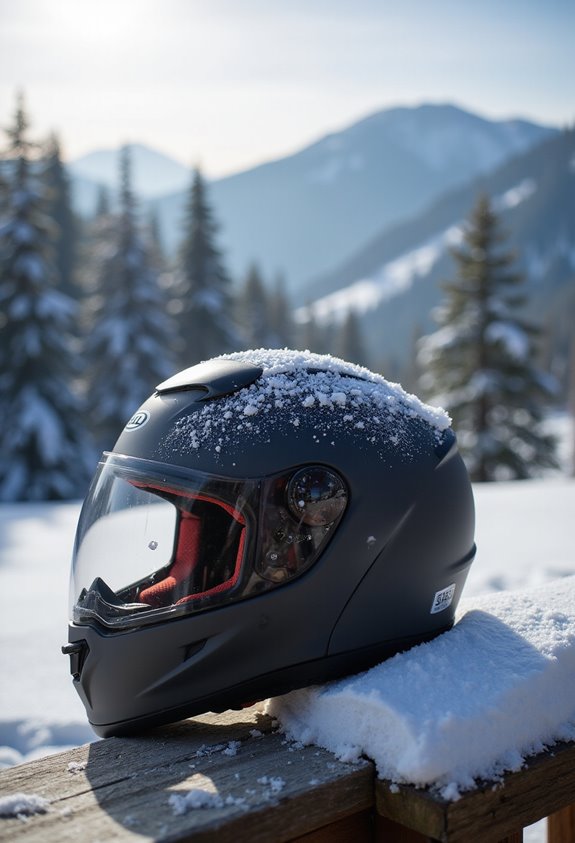
The SNELL S98 certification stands out in the domain of ski and winter sport helmets, ensuring that helmets designed for skiing and snowboarding offer superior protection against head injuries. This certification involves rigorous testing protocols, requiring helmets to endure multiple impact assessments at various locations, simulating real-world crash scenarios that athletes might face. These tests include drops onto flat and shaped anvils, measuring helmet durability and shock absorption effectiveness, thereby ensuring exceptional energy dissipation. Additionally, the materials and internal padding designs are scrutinized for performance under various conditions, ensuring long-lasting protection. By prioritizing safety innovations, SNELL S98 helmets provide skiers with confidence in their gear, making them a wise choice for enthusiasts seeking reliable protection on the slopes. Many helmets also incorporate MIPS technology to further enhance safety against rotational impacts.
Recommended Products
Comfortable Safety: Ski helmet built for both comfort and safety. Equipped with reinforced ABS shell & shock-absorbing EPS core

Comfortable Safety: Ski helmet built for both comfort and safety. Equipped with reinforced ABS shell & shock-absorbing EPS core

Snell SA2025 Certified, made of Fiber Reinforce Plastic(GFRP) composite shell, Double D-ring equipped, more lightweight, and higher safety.
FIS Standards: International Competition Requirements
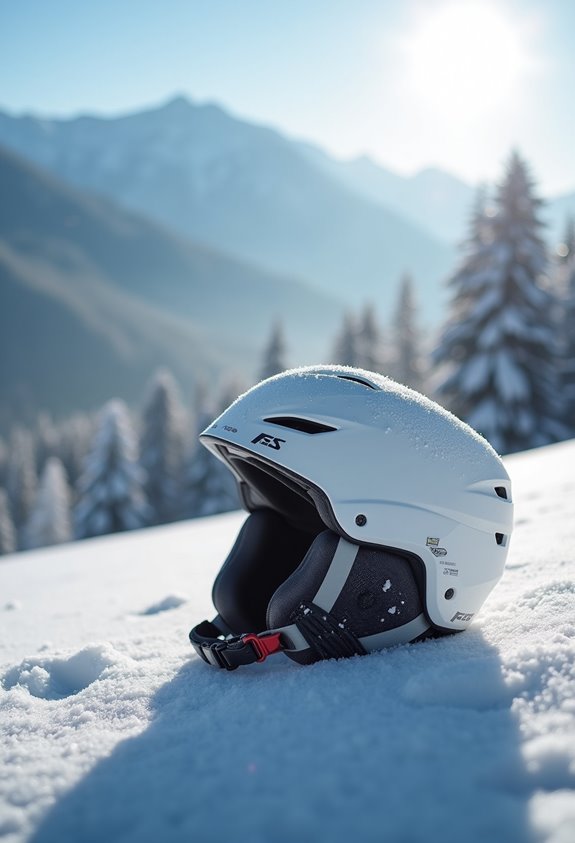
FIS standards play an essential role in ensuring the safety of athletes competing in alpine skiing events, as these regulations mandate that helmets not only meet stringent certification requirements but also deliver optimal protection during high-speed descents. Adhering to FIS helmet regulations, helmets used in downhill, super-g, and giant slalom must comply with EN 1077 (Class A) and ASTM F2040, ensuring enhanced impact resistance. Additionally, these helmets are designed without spoilers or protruding parts, while requiring strong retention systems for maximum safety. Athletes competing in FIS events are responsible for ensuring helmet safety compliance, as non-compliance could result in exclusion from competition. Properly certified helmets not only enhance performance but also foster a sense of community among like-minded skiers prioritizing safety. Furthermore, investing in high-quality skiing gear can significantly reduce the risk of injury on the slopes.
Recommended Products

RACE LOCK_ Secure adjustment system delivers a precise fit without compromising race position.

First Choice for Ski Helmet: The impeccable fit of both the Kelvin II ski helmet and OutdoorMaster ski goggles ensures a seamless experience. Perfectly designed for winter enthusiasts, this helmet is a must-have for those who crave the thrill of skiing, skating, snowboarding, and more

Enhanced Safety with MIPS Technology: Built with Multi-directional Impact Protection System (MIPS) to help reduce rotational forces during impact
CSA Z263.1: Canadian Ski Helmet Standards
In the domain of ski safety, CSA Z263.1 establishes an extensive benchmark for helmets designed specifically for recreational alpine skiing and snowboarding in Canada. This standard guarantees that helmets have essential features, including effective shock absorption, stability during use, and a robust retention system, all vital for protecting skiers and snowboarders. Helmet design under CSA Z263.1 includes rigorous testing for impact resistance and peripheral vision, allowing consumers to confidently select headgear that meets their safety needs. Clear labeling denotes compliance, enhancing consumer awareness by helping individuals identify helmets adhering to Canadian standards. By understanding CSA Z263.1, skiers can make informed choices, ultimately contributing to a safer and more enjoyable experience on the slopes, surrounded by fellow enthusiasts. Furthermore, helmets featuring MIPS technology enhance safety by reducing rotational forces during impacts.
Recommended Products
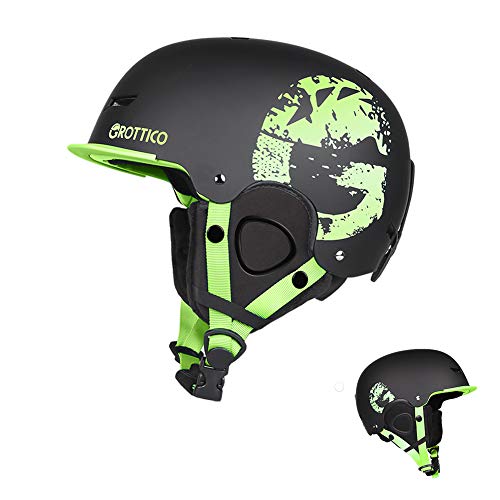
US SAFETY CERTIFICATION - Meet ASTM F2040 snow helmet standards. Equipped with reinforced ABS shell and shock-absorbing EPS core.

INCLUDES HELMET AND MATCHING GOGGLES - Packaging our Crue youth helmet, with classic style and park-worthy performance, with our matching youth goggles was a no brainer.

US SAFETY CERTIFICATION - Meet ASTM F2040 snow helmet standards. Equipped with reinforced ABS shell and shock-absorbing EPS core.
Key Certification Requirements for Helmets
Steering through the domain of ski helmets requires an understanding of various certification requirements, each vital for guaranteeing safety on the slopes. Helmets bearing the CE EN 1077 certification feature rigorous impact resistance tests, demanding peak forces under 250G during drop tests. Meanwhile, ASTM F2040 focuses on non-motorized activities, emphasizing retention system security to prevent displacement. The US CPSC standard mandates positional stability and durable retention straps, while UIAA 106 promotes extensive side and rear impact testing. These certification differences highlight the varying levels of protection offered by helmets, making it essential for consumers to choose wisely. Prioritizing these safety requirements guarantees peace of mind while carving down the mountain or maneuvering through snowy terrain, fostering a sense of belonging in the skiing community. Additionally, helmets constructed from durable materials are crucial for ensuring long-lasting protection against impacts.
Importance of Impact Testing and Retention Systems
Understanding the significance of impact testing and retention systems is essential for any skier or snowboarder seeking ideal safety on the slopes. Impact testing measures a helmet’s capacity for impact absorption, verifying it withstands various collision scenarios while maintaining helmet durability. Key tests simulate real-world conditions, dropping helmets at specified speeds to measure acceleration forces that do not exceed safety limits. Meanwhile, retention systems, including chin straps and webbing, are rigorously evaluated to verify they keep helmets securely on the head during unexpected falls. A well-tested retention system prevents helmet roll-off, providing peace of mind. Choosing helmets certified by ASTM F2040 or EN 1077 guarantees a balance of safety and performance, fostering confidence for every skiing adventure. Additionally, helmets featuring advanced safety technologies like WaveCel offer enhanced protection by reducing impact forces significantly.
Regulations on Helmet Features and Use in Competitions
The regulations governing helmet features and usage in skiing competitions are essential for ensuring the safety and performance of athletes on the slopes. Competitors must wear certified competition helmets that comply with stringent standards, such as CEH.DIN 1077 or ASTM F2040, to maximize head protection. Importantly, helmets must cover the entire head and ears without protruding edges to prevent injury during high-speed runs. While modifications like stickers are permitted, they cannot compromise the helmet’s safety functionalities. In certain events, chin guards and soft ear protection are allowed, enhancing comfort without sacrificing safety. Athletes especially appreciate these design features, as they foster confidence in their gear, ultimately contributing to a sense of belonging within the competitive skiing community. Additionally, helmets should ideally feature ventilation holes to improve airflow and comfort during prolonged wear.
Frequently Asked Questions
How Often Should I Replace My Ski Helmet?
Ski helmets should generally be replaced every 3 to 5 years, adhering to safety standards. This frequency guarantees maximum protection, as materials can degrade over time, compromising safety for those who share a passion for skiing.
Can Helmets Be Modified After Purchase?
Helmet modifications after purchase are discouraged, as they compromise safety standards and structural integrity. Adhering to manufacturer guidelines is essential for maintaining protection and ensuring the helmet’s effectiveness during skiing activities, fostering a safe experience for all.
Are There Size Guides for Different Helmet Brands?
Despite perceptions that sizing is universal, different helmet brands provide specific fitting guidelines based on various measurements. Extensive brand sizing charts assist users in achieving an ideal fit for maximum safety and comfort on the slopes.
What Is the Lifespan of a Ski Helmet?
The lifespan of a ski helmet primarily hinges on helmet materials and impact resistance. Typically, helmets should be replaced every 3 to 5 years, or after any significant impact, ensuring safety and community belonging on the slopes.
Do Helmets Come With Warranty Options?
Most helmets come with varied warranty terms, offering coverage details that generally protect against manufacturing defects. Premium models often provide longer warranties, while entry-level options may feature shorter durations or limited scopes.