As an Amazon Associate, we earn from qualifying purchases. Some links on this site are affiliate links at no extra cost to you. Our recommendations are based on thorough research and editorial judgment.


What Are the Differences Between In-Mold and Hardshell Helmet Construction?

In-mold and hardshell helmets differ considerably in construction and performance. In-mold helmets, utilizing fused designs, are lighter and better ventilated, enhancing comfort during long skiing sessions. In contrast, hardshell helmets feature separate outer shells, providing greater durability against dents while sacrificing some breathability. Safety certifications like ASTM and MIPS technology are available in both types, ensuring reliable impact protection. Understanding these distinctions is key for skiers seeking ideal safety and performance; further insights await on hybrid options that combine the best of both worlds.
Key Takeaways
- In-mold helmets feature a lightweight design through fused construction, enhancing aerodynamics and comfort, making them ideal for extended wear.
- Hardshell helmets have a thick, separately molded outer shell, offering superior durability and resistance to dents and penetration.
- In-mold helmets typically provide better ventilation, promoting airflow and thermal regulation during intense activities compared to bulkier hardshell options.
- Both designs can incorporate safety features like MIPS and should meet certification standards for reliable head protection in high-impact situations.
- Hybrid helmets combine characteristics of in-mold and hardshell designs, utilizing advanced materials for improved impact resistance and comfort but come at a higher price.
Overview of Helmet Construction Methods
You may be interested


Helmets are crucial safety gear for skiing and many other sports, providing essential protection against head injuries. Understanding helmet construction methods helps consumers make informed choices for helmet safety. Most helmets feature an outer shell, usually made from construction materials like polycarbonate or fiberglass, designed for structural integrity and impact resistance. Beneath the outer layer lies the impact-absorbing liner, commonly produced from expanded polystyrene (EPS) foam, which crushes during impacts to slow head deceleration, thereby reducing injury risk. Comfort padding enhances fit without affecting impact protection, while retention systems with straps and buckles keep the helmet securely in place. Choosing a well-constructed helmet can meaningfully improve safety during high-speed skiing adventures, reinforcing the importance of selecting the right gear. Helmets like the Oakley MOD5 utilize MIPS technology to enhance overall safety by reducing rotational forces during impacts.
In-Mold vs. Hardshell: The Manufacturing Process
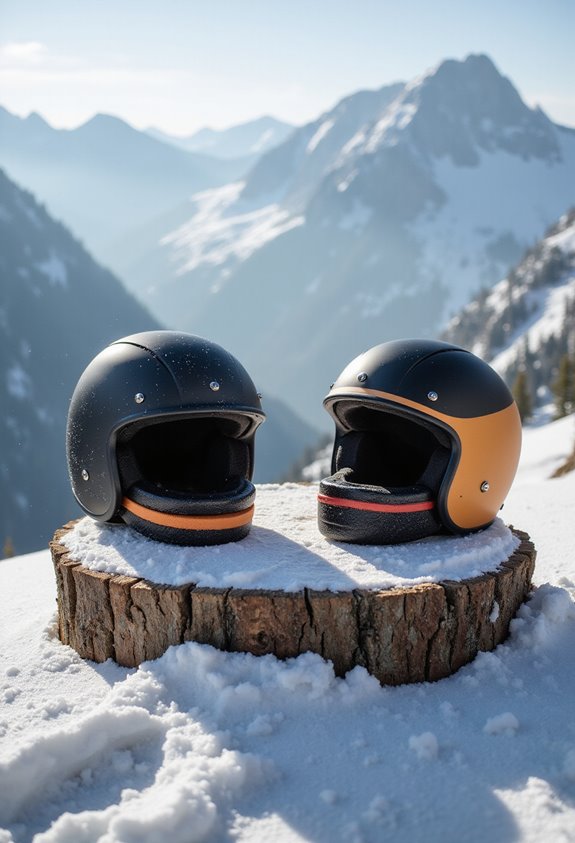
The juxtaposition of in-mold and hardshell manufacturing processes showcases the distinct advantages each method offers for helmet construction, influencing both performance and user experience. In-mold helmets feature an outer shell formed from hard polymers, allowing EPS foam to bond seamlessly during a single injection cycle; this results in a lightweight, integrated structure with advanced ventilation designs. Conversely, hardshell helmets utilize a separately molded thick outer shell, offering greater robustness through adhesive assembly, which permits a broader range of material characteristics, including ABS and fiberglass. While in-mold helmets are often premium and complex, hardshell varieties cater to budget-conscious consumers, balancing durability with lower production costs. Understanding these manufacturing nuances helps users select the best helmet for their specific needs. Additionally, many helmets are equipped with MIPS technology to provide enhanced protection against rotational forces during impacts.
Weight and Comfort Comparisons

When comparing the weight and comfort of in-mold and hardshell helmets, considerable differences emerge that can greatly influence the user’s experience on the slopes. In-mold helmets typically offer superior weight distribution, being considerably lighter due to their fused construction of a polycarbonate outer shell with EPS foam, reducing neck fatigue and enhancing comfort levels during extended wear. Conversely, hardshell helmets possess a thicker outer layer, making them bulkier and potentially cumbersome. While hardshell options may provide additional padding, their weight can lead to quicker fatigue. For those seeking a sleek profile and improved aerodynamics, in-mold designs are often the top choice, ensuring comfort and performance during all-day skiing or touring adventures, all while keeping the thrill of the slopes alive. Additionally, safety certifications such as ASTM F2040 and CE EN 1077 are important factors to consider when selecting a helmet for optimal protection.
Recommended Products

Comfortable Safety: Ski helmet built for both comfort and safety. Equipped with reinforced ABS shell & shock-absorbing EPS core

All Year Round Friendly: UPF 50+ UV Sun Protection. Whether you are hiking, cycling, motorcycling, mountains, skiing, skating or any season, this multifunctional mask is eligible for superior wind and weather protection around the head and neck.
Comfortable Safety: Ski helmet built for both comfort and safety. Equipped with reinforced ABS shell & shock-absorbing EPS core
Durability and Protection Features
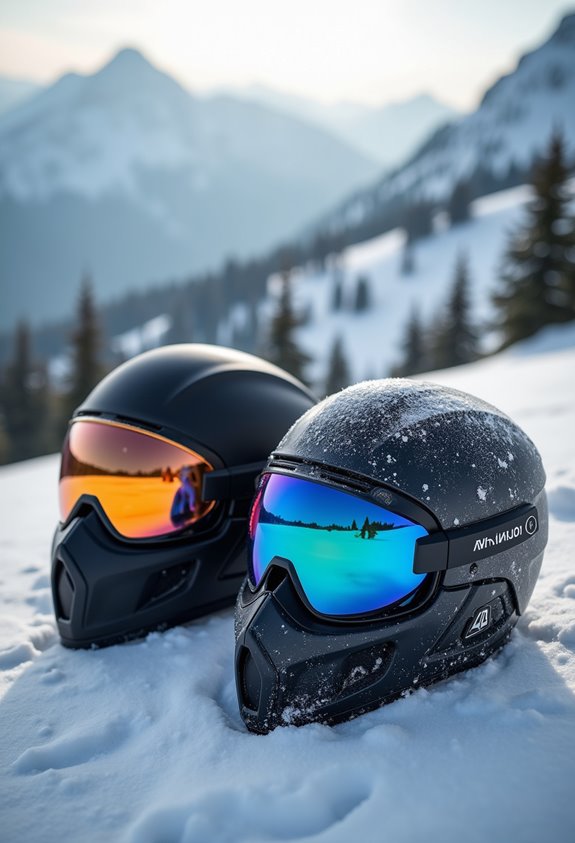
Durability stands as an essential factor for skiers and snowboarders when evaluating helmet options, as the right choice can greatly impact safety and performance on the slopes. Hardshell helmets boast robust outer shells that resist dents and penetration, markedly enhancing their protection capabilities in harsh environments. Conversely, in-mold helmets, while lighter and sometimes reinforced with materials like carbon fiber, are generally more susceptible to minor damage due to their integrated, thinner construction. This structural difference leads to varying durability factors, with hardshell options excelling in longevity and resilience against sharp impacts. Overall, understanding these durability and protection features guides individuals in selecting the right helmet, ensuring their safety and enjoyment in winter sports. Additionally, opting for helmets with Snell SA2020 certification can further enhance protection against high-impact forces.
Ventilation and Additional Features

Ventilation plays a pivotal role in maintaining comfort during high-energy skiing or snowboarding sessions, and the differences between in-mold and hardshell helmets highlight this aspect vividly. In-mold helmets typically feature larger vents integrated into the shell, enhancing ventilation efficiency and promoting excellent airflow, making them ideal for warm conditions. Their lightweight nature contributes to reduced heat retention, providing significant comfort enhancements, as they allow sweat to dissipate easily. In contrast, hardshell helmets, with their thicker exterior, limit vent size and airflow, often compromising breathability during intense activities. While hardshell designs may focus on durability, their limited ventilation can hinder performance, making in-mold helmets a preferable choice for those seeking superior comfort and effective thermal regulation on the slopes. Additionally, helmets with MIPS technology offer enhanced protection, further justifying the preference for in-mold designs among safety-conscious skiers.
Recommended Products

CREATED SPECIFICALLY FOR CHARGING YOUNG GROMS ON THE MOUNTAIN - The Spur Mips uses the same technologies as Giro's adult helmets in youth small and extra-small sizes.

INCLUDES HELMET AND MATCHING GOGGLES - Packaging our Crue Mips youth helmet, with classic style and park-worthy performance, with our matching youth goggles was a no brainer. Mips (Multi Direction Impact System)

Ultimate Protection: OutdoorMaster ELK ski helmet equipped with MIPS (Multi-direction Impact Protection System), reinforced PC shell & shock-absorbing EPS core with in-mold construction, those MIPS ski helmets are lightweight and durable, built for both comfort and maximum safety
Cost Analysis and Market Positioning
The cost dynamics between in-mold and hardshell helmets illustrate significant differences that cater to diverse consumer preferences and needs. In-mold helmets, often priced at a premium due to their advanced materials and technology, attract serious skiers who seek comfort and cutting-edge safety features. This higher cost reflects the sophisticated manufacturing process and the inclusion of enhancements like MIPS. Conversely, hardshell helmets provide a more economical choice, capitalizing on simpler production methods and bulk material sourcing, appealing to beginners and budget-conscious enthusiasts. As market dynamics shift, consumers must weigh the cost implications of their choices, considering durability, safety, and intended use to ascertain they select the helmet that fits their lifestyle and aspirations on the slopes. Additionally, the presence of features like MIPS technology can significantly influence the perceived value of in-mold helmets among safety-conscious buyers.
Recommended Products

Gear You Need & Love: The Mission ski and snowboard helmet features a lightweight design that brings the latest safety innovations including Mips and Zonal KOROYD for enhanced energy absorption

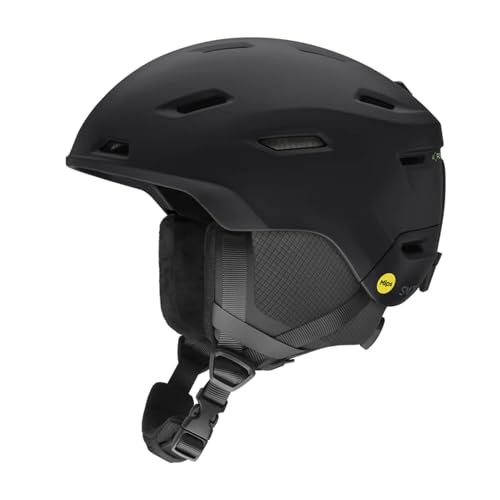
Enjoy the Ride: The Smith Descend Helmet packs the latest impact protection into a lightweight, low-profile design that lets you focus on riding more and fussing with your gear less.
User Considerations for Helmet Selection
Selecting the right helmet requires careful consideration of various factors to guarantee safety, comfort, and performance on the slopes. User feedback emphasizes the importance of specific comfort preferences and fit testing; an ideal helmet should feel snug without pressure points. Suitable weight tolerance can enhance long-term use, as lighter in-mold helmets often provide better ventilation needs but may sacrifice durability. Conversely, hard shell helmets offer robust protection against impacts while adhering to safety standards. The activity type also plays a significant role in selection; high-impact sports may lean towards hard shells, while casual skiing might favor in-mold designs. Ultimately, each user must evaluate these elements to find the perfect helmet, promoting both safety and a sense of community on the slopes. Additionally, anti-fog technology in goggles is essential for maintaining visibility, complementing helmet choices for a complete skiing experience.
Recommended Products
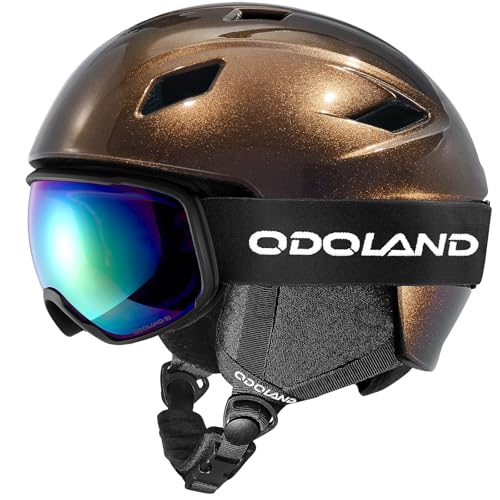
Ski Helmet & Goggles Set: Our ski helmet with detachable goggles for anyone loves snow sports. The set effectively provides complete protection to you head. You will have great fun when skiing, skating, snowboarding and other snow sports!

Optimal Protection: Combo pack kids ski helmet with goggles are made of premium material. In-Mold Construction fuses a tough polycarbonate outer shell with the helmets impact-absorbing foam liner, provide excellent shock absorption and drop resistance, ensuring your little one is well protected. Meets ASTM F2040 standards. Anti-fog and 100% UV Protection treatment on double layer lens, ideal for use in sunny and cloudy days. Enjoy winter sports with peace of mind.

Complete Helmet & Ski Goggles Set: The impeccable fit of both the ski helmet and goggles ensures a seamless experience. Perfectly designed for winter enthusiasts, this set is a must-have for those who crave the thrill of skiing, skating, snowboarding, and more
Exploring Hybrid Helmet Options
Hybrid helmet options present an innovative solution for winter sports enthusiasts seeking a blend of safety, comfort, and performance. By combining the robust features of hard shell construction with the lightweight properties of in-mold designs, these helmets offer multiple hybrid benefits. The outer hard plastic shell enhances impact resistance in critical areas, while an inner foam layer, often made from advanced materials like Curv or EPS, absorbs shocks efficiently. The design improves ventilation and comfort, allowing efficient airflow critical for long days on the slopes. Importantly, incorporating rotational impact systems like MIPS greatly enhances safety. Furthermore, these helmets typically adhere to safety certification standards, ensuring reliable protection during high-impact activities. Although hybrid helmets may come with a higher price tag due to material innovations and complex manufacturing, their superior protection and comfort make them a worthwhile investment for dedicated skiers and climbers.
Recommended Products

MARKET-LEADING PROTECTION: Engineered in Giro's category-leading helmet test lab.

MIPS Safety: The Mips system is designed to provide added safety for helmets in many accidents. For certain impacts, the system can reduce harmful rotational forces.Whether you’re hitting the road for the day or just facing the daily commute, the OutdoorMaster MIPS helmet gives you the protection you need no matter where your wheels take you

MARKET-LEADING PROTECTION: Engineered in Giro's category-leading helmet test lab.
Frequently Asked Questions
How Do I Determine the Right Size for a Helmet?
To determine the right size for a helmet, precise size measurement around the head is essential. Proper helmet fitting guarantees safety and comfort, allowing individuals to feel secure and confident while participating in their favorite activities.
Can I Use an In-Mold Helmet for Winter Sports?
Yes, an in-mold helmet can be used for winter sports, offering comparable safety performance. It excels in various climate conditions, providing comfort and ventilation, appealing to individuals seeking community among style-conscious enthusiasts in winter activities.
Are There Age-Specific Helmets for Children or Seniors?
In the domain of protection, both children and seniors don helmets crafted with care. Child safety is paramount, while senior protection embraces comfort. Each helmet symbolizes a guardian, ensuring safety amid life’s adventures and challenges.
How Often Should I Replace My Helmet?
Helmet lifespan typically necessitates replacement every 3 to 5 years, regardless of use, to guarantee safety standards are met. Regularly checking for damage fosters community awareness, promoting a culture of safety and belonging among users.
Can I Customize the Fit of My Helmet?
Customizing a helmet’s fit is not merely an option; it’s an adventure in comfort. Fit adjustments and custom padding can transform any helmet into a snug embrace, ensuring safety while nurturing a sense of belonging among riders.


