As an Amazon Associate, we earn from qualifying purchases. Some links on this site are affiliate links at no extra cost to you. Our recommendations are based on thorough research and editorial judgment.


How Do Audio-Compatible Helmets Integrate With Communication Systems?

Audio-compatible helmets integrate with communication systems through carefully designed features such as interior speaker pockets that enhance audio clarity and comfort. Various technologies like Bluetooth and mesh intercom allow seamless communication, perfect for group rides. High-quality audio components, including noise-canceling speakers and boom mics, guarantee clear audio even at high speeds. With options for customization and universal compatibility, these helmets cater to diverse user needs. Explore the latest innovations and trends to find the best fit.
Key Takeaways
- Audio-compatible helmets feature integrated speaker pockets for optimal placement and comfort when using communication systems.
- Bluetooth connectivity allows seamless streaming and intercom functions, enhancing user experience during rides.
- Many helmets accommodate both wired and wireless communication systems for versatile connectivity options.
- Premium noise-canceling speakers and microphones increase audio clarity, ensuring effective communication at high speeds.
- Customizable mounting options enable riders to tailor the audio experience and optimize voice clarity for their needs.
Interior Speaker Pocket Design
You may be interested


The design of interior speaker pockets in helmets plays a crucial role in enhancing the audio experience for riders, guaranteeing that sound quality is not compromised while maintaining comfort and safety. With standard speaker pocket dimensions around 40 mm in diameter, these pockets are expertly crafted to fit popular helmet speakers, promoting sound quality enhancement. Positioned within the helmet’s ear areas, they maintain the natural position of the speakers for maximum audio clarity. Additionally, recessed pockets guarantee speakers do not press against the ears, preserving rider comfort. Made from soft foam or fabrics, these pockets also consider wiring routing to avoid interference. Overall, thoughtful design details elevate the riding experience, allowing enthusiasts to fully enjoy audio without compromising helmet integrity. Furthermore, moisture-wicking properties in some helmet designs can enhance comfort during long rides by keeping the interior dry.
Recommended Products

VAS-A shield system lowered to further improve 'glancing off' ability

FLEX ENERGY MANAGEMENT — A first-of-its kind, three-layer impact liner designed to manage energy from three potential impact scenarios: low, mid, and high-speed.

The Tour Trunk Pack is an essential addition for riders seeking extended touring capabilities on their H-D motorcycles. Crafted to seamlessly integrate with the bike's aesthetics, this Tour Trunk Pack offers both practical storage solutions and enhanced passenger comfort.
Communication Technology Types
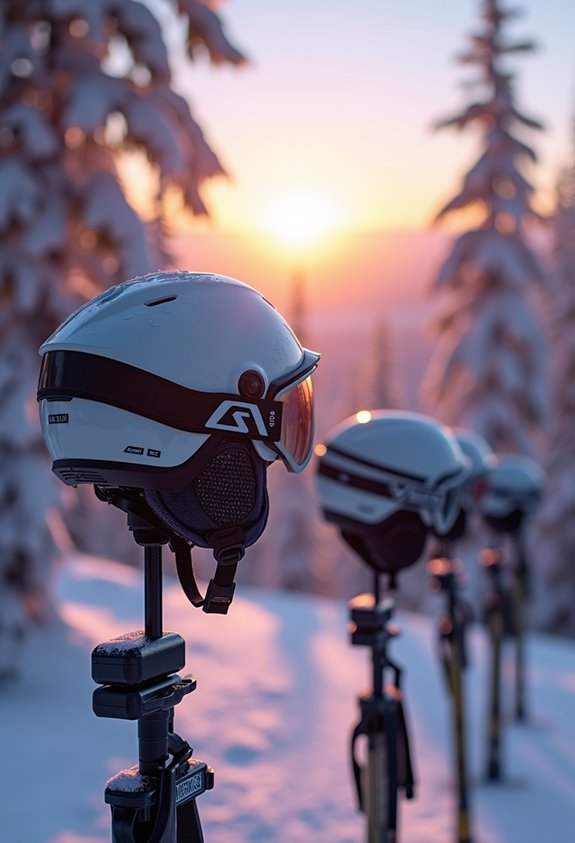
As riders commence on their journeys, ensuring effective communication becomes essential, particularly when traversing diverse terrains. Various communication technology types cater to different needs. Bluetooth advantages include freedom of movement and compatibility with smartphones, yet they have limitations, particularly in range. Conversely, mesh systems, such as the Sena 30K, offer superior communication clarity for group rides but come at a higher price due to their advanced technology. For those seeking hybrid flexibility, combining wired reliability and wireless convenience, hybrid intercom systems provide the best of both worlds. Additionally, integrated systems deliver notable benefits, with seamless design reducing clutter and boosting aerodynamics. Each type presents unique attributes, empowering riders to choose a solution tailored to their lifestyle and riding challenges. Notably, ensuring a minimum communication range of 1000m can significantly enhance group coordination during rides.
Recommended Products

Wireless Hands-free Intercom: Crystal clear. Cardo brings unparalleled intercom sound quality with easy pairing and robust performance. For up to 15 users at a range of up to 1km/0.6mi. No Wi-Fi or cellular coverage needed.

Sena's top Bluetooth communicator
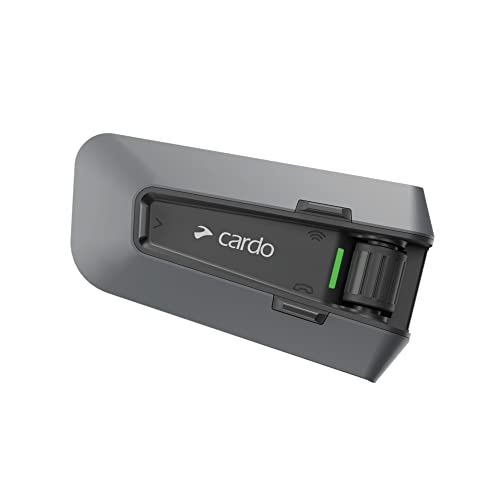
Wireless Handsfree Intercom: Communicate with just a single piece of equipment, small enough to fit on your helmet, without the physical restrictions of wired communication systems. Inside a vehicle, or between two vehicles with up to 1 mile range.
Audio Hardware Components

Audio hardware components play an essential role in enhancing the riding experience, as they enable seamless communication and high-quality sound delivery while on the road. The speaker quality is paramount, with brands like JBL and Outdoor Tech offering noise-canceling technology, ensuring crystal-clear audio even amid wind and traffic noise. Various speaker sizes accommodate different helmet types, providing ergonomic comfort without sacrificing sound integrity. Equally important are microphone types; dynamic noise-canceling microphones and boom mics with flexible arms optimize voice capture, essential for clear communication. Additional features like windshields help reduce distortion, especially at high speeds. With easy installation through durable wiring harnesses, riders enjoy a reliable, enhanced audio experience that strengthens their sense of community on the road. Furthermore, many modern helmets utilize Bluetooth 5.3 technology to provide enhanced connectivity, making communication even more efficient and stable.
Recommended Products

What Makes the LIFEMAGIC Electric Dirt Bike Unique? The LIFEMAGIC electric dirt bike combines professional off-road performance with integrated safety and audio. Its 3600W mid-drive motor conquers 60° slopes, supported by a 60V 28.8Ah battery for up to 65 miles of range. The bike features LED Daytime Running Lights and a built-in Bluetooth speaker. Built for power, safety, and personalization, LIFEMAGIC delivers a distinct riding experience

IN THE BOX: 1x Garmin Catalyst, 1x Remote Cam with polarized lens cover, 1x Remote Cam 3.5 meter cable, 1x Heavy-duty vehicle suction cup, 1x Powered magnetic mount, 1x Two 1” connecting arms, 1x 1” arm connector, 1x Cable clips, 1x Socket power cable, 1x Wearable4U Pro EarBuds, 1x 32GB MicroSD

CLEAR IN-CAR COMMUNICATION WITHOUT YELLING – Stay connected with your passenger using advanced voice-activated (VOX) technology that lets you talk naturally through your headset or helmet kit. The system automatically detects speech and eliminates background noise, delivering crystal-clear communication even in loud off-road environments.
User Experience Enhancements

Enhancing the user experience in audio-compatible helmets transforms the way riders engage with their surroundings, providing both practicality and enjoyment. With seamless Bluetooth 5.0 connectivity, users can effortlessly stream audio, receive GPS directions, or communicate via intercom, all while maintaining user comfort and reducing distractions. The integration of voice control allows for hands-free operation, enhancing safety and convenience. Premium speakers deliver clear audio, while advanced noise reduction algorithms filter out background sounds, ensuring riders hear important alerts without interruption. Quick-charge batteries extend riding time, and lightweight designs minimize discomfort during lengthy journeys. Additionally, features like LED taillights boost visibility, further promoting a shared riding experience that brings riders together. Helmets with Snell SA2020 certification provide an extra layer of safety, ensuring that while riders enjoy their audio experience, they are also protected by advanced helmet technology.
Recommended Products

Versatile Content Creation Kit: The GoPro HERO13 Black Creator Edition includes the Volta Battery Grip, Light Mod, and Media Mod with a built-in directional microphone, making it perfect for vloggers, filmmakers, and content creators. These accessories allow for extended battery life, enhanced lighting, and high-quality audio capture, all while maintaining a compact and portable design.

Crash Detection. Silently watching over you when you need it the most.

STREETFIGHTER STYLE, ONE-HAND FUNCTION: Simpson’s signature racing-inspired style in a functional mod helmet made for the street. Flip the chin bar open with one hand and the metal locking hardware keeps it locked tight. Measure your head and compare to the size chart to find your perfect fit.
Compatibility and Customization Options

How do compatibility and customization options elevate the performance of audio-compatible helmets? By incorporating interior speaker pockets, many helmets facilitate a custom fit for speakers up to 40 mm, ensuring stable audio without disrupting aerodynamics. While models like the Delta R3L lack this integration, those with plug-and-play capabilities allow seamless aftermarket upgrades. Universal Bluetooth connectivity enhances compatibility with various communication systems, while Dynamic Mesh Communication technology promotes group chats for up to 15 riders. Additionally, removable mounting options empower users to customize their audio experience, integrating different microphone types for ideal voice clarity. These features enable acoustic optimization, allowing riders to tailor their helmet systems to enhance communication and overall performance, promoting a sense of community among enthusiasts. Furthermore, advanced noise cancellation technology ensures clear conversations even at high speeds, adding to the overall effectiveness of these systems.
Recommended Products

Advanced Aerodynamics and Noise Reduction: The SHOEI GT-Air II is designed with an aerodynamic shell and cutting-edge noise reduction technology, providing a smooth and quiet ride for the ultimate riding experience

COMMUNICATION SYSTEM READY — Seamless connectivity, featuring integrated speaker pockets and a sleek, communication-ready fit. Effortlessly install your favorite Bluetooth system for clear audio and hands-free convenience on every ride

Premium Speakers & Microphone, SOUND BY Harman Kardon
Emerging Market Trends and Innovations
Emerging trends in the market for audio-compatible helmets reveal a dynamic landscape influenced by technological innovations and shifting consumer preferences. Market dynamics indicate significant growth, particularly in the Asia-Pacific and South America regions, driven by a rising user demographic of young riders seeking integrated communication systems. Technological advancements, such as Bluetooth 5.0 and AI voice controls, enhance user experience while longer battery life and lightweight materials guarantee comfort and sustainability. Integrated helmet audio systems dominate with a 57% market share due to their sleek, aerodynamic designs that support mobility during rides. In contrast, clip-on speakers appeal to budget-conscious riders seeking flexibility. As consumer behavior gravitates towards seamless connectivity, the demand for high-fidelity audio experiences continues to expand. Additionally, the incorporation of MIPS technology in helmets enhances safety by reducing rotational forces during impacts, appealing to safety-conscious riders.
Frequently Asked Questions
Can I Use Any Helmet With Audio Communication Systems?
Not every helmet supports audio communication systems; helmet compatibility varies. Some models integrate seamlessly with audio technology, while others require modifications or may not accommodate devices effectively, impacting user experience and safety during rides.
How Do I Maintain My Helmet’s Communication System?
Helmet maintenance tips include regular visual inspections, cleaning components, and ensuring proper microphone alignment. Additionally, diligent communication device care, such as monitoring battery levels and following manufacturer guidelines, prolongs the helmet’s functionality and performance.
Are Audio-Compatible Helmets Waterproof or Weather-Resistant?
Like a fortress against the elements, many audio-compatible helmets boast impressive weather-resistant features. Crafted with advanced helmet materials, they defend against rain and sweat, though true waterproofing varies, inviting adventure-seekers to embrace their rugged capabilities.
What Is the Average Lifespan of These Audio Systems?
The average lifespan of audio systems is 3 to 5 years, depending on quality and maintenance. Following proper care and maintenance tips can enhance audio system longevity, ensuring reliable performance for enthusiasts on their journeys.
Can I Upgrade My Existing Helmet With Communication Features?
Upgrading existing helmets with communication features is possible through various communication options. Riders can enhance their experience by selecting compatible systems, enabling seamless interactions and creating a sense of belonging within their riding community.