As an Amazon Associate, we earn from qualifying purchases. Some links on this site are affiliate links at no extra cost to you. Our recommendations are based on thorough research and editorial judgment.


What Equipment Adjustments Help Prevent Common Winter Sports Injuries?

Proper binding and boot adjustments are critical for preventing winter sports injuries. Accurate binding settings tailored to a skier’s weight and skill level enhance release mechanisms, reducing knee injury risks. Well-fitted helmets and goggles, designed to prevent UV exposure and improve visibility, are equally important. Regular maintenance, including edge sharpening and waxing, maximizes performance in varying snow conditions. Dynamic warm-ups and strength training also play a crucial role in injury prevention. Discover how to fine-tune your gear for superior safety and performance.
Key Takeaways
- Ensure proper binding settings based on weight, height, and skill level to reduce joint injury risks during falls.
- Utilize well-fitted helmets and goggles to significantly lower head injury risks and enhance visibility on the slopes.
- Regularly inspect and adjust bindings seasonally to optimize performance and accommodate personal changes in skiing style.
- Customize boot canting and stance widths for improved stability and reduced joint stress during skiing activities.
- Adapt equipment based on weather and terrain conditions, like adjusting ski edges for ice or using wider skis for deep snow.
Importance of Proper Binding and Boot Adjustment
You may be interested


The significance of properly adjusted bindings and boots in winter sports cannot be overstated, as these elements directly impact a skier’s safety and performance. Accurate binding settings are vital for peak functioning of the release mechanism; for instance, bindings tailored to a skier’s weight, height, and skill level guarantee timely release during falls, effectively preventing injuries, especially to the knees. Bindings set too high increase the risk of not releasing during falls, heightening injury potential from torque on the joints. Conversely, overly loose settings may lead to unexpected releases, compromising control. Regular inspections and adjustments are necessary to account for wear and changes in skiing style, ultimately elevating both safety and enjoyment of the slopes, reinforcing the camaraderie among fellow winter sports enthusiasts. Additionally, focusing on safety features in bindings can enhance overall confidence while navigating the slopes.
Recommended Products

6 piece ratchet driver, #2 and #3 phillips, #3 pozidrive, 3/32 hex

Keychain size mini-tool

COMPLETE 34-PIECE SNOWBOARD REPAIR KIT Why carry multiple tools when one does it all? This comprehensive 34-piece multitool kit includes everything you need for on-the-mountain adjustments and emergency repairs. Featuring a professional ratcheting screwdriver, a flexible extension shaft, and 32 precision bits, it replaces an entire toolbox while fitting in your pocket.
Essential Protective Gear Fit and Usage

Safety on the slopes is not solely dependent on equipment adjustments; the right protective gear plays a pivotal role in injury prevention. Ensuring proper helmet alignment is vital, as it can reduce the risk of head injuries by up to 60%. A snug fit without pressure points, combined with adjustable retention systems, enhances comfort during activity. Meanwhile, selecting goggles that offer goggle compatibility with helmets is essential; this prevents gaps that expose the eyes to harmful UV rays and cold air. Look for goggles with anti-fog coatings and double lenses to maintain visibility. Ultimately, investing in both well-fitted helmets and goggles is not just about safety, but also about enjoying the thrill of winter sports confidently and comfortably. Additionally, helmets should meet recognized safety standards to ensure maximum protection during use.
Recommended Products

Optimal Protection: Combo pack kids ski helmet with goggles are made of premium material. In-Mold Construction fuses a tough polycarbonate outer shell with the helmets impact-absorbing foam liner, provide excellent shock absorption and drop resistance, ensuring your little one is well protected. Meets ASTM F2040 standards. Anti-fog and 100% UV Protection treatment on double layer lens, ideal for use in sunny and cloudy days. Enjoy winter sports with peace of mind.

[Safety Certified & Durable]: This snow sports helmet meets ASTM certification standards, featuring a rugged ABS shell and high-density EPS foam for superior impact protection, ensuring your head remains safe during high-speed skiing, snowboarding, or other intense winter activities on the slopes.
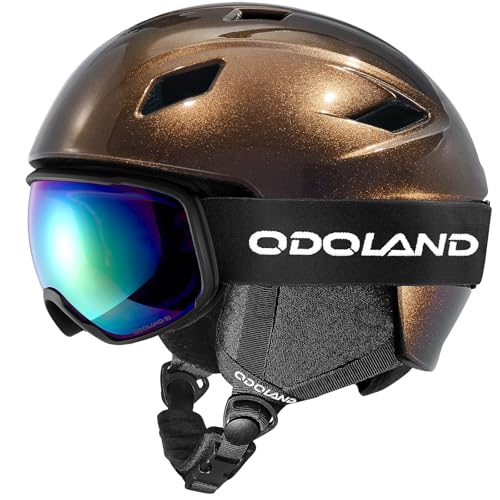
Ski Helmet & Goggles Set: Our ski helmet with detachable goggles for anyone loves snow sports. The set effectively provides complete protection to you head. You will have great fun when skiing, skating, snowboarding and other snow sports!
Regular Equipment Maintenance and Customization

Regular maintenance and customization of winter sports equipment are essential for enhancing performance and minimizing injury risks. By regularly inspecting bindings and guaranteeing a proper fit in boots, athletes can remarkably improve equipment longevity while mitigating knee and ankle injuries during activities. Seasonal binding adjustments, tailored to an individual’s weight and skill level, optimize performance and prevent unexpected equipment failures. Additionally, customizing boot canting and stance widths to match individual biomechanics fosters stability and reduces joint stress. Routine wax application and edge sharpening assure improved grip and control, further enhancing safety. These practices not only enhance overall performance but also cultivate a community spirit, as skiers and snowboarders collectively embrace responsible stewardship of their gear to keep experiences enjoyable and safe on the slopes. Furthermore, incorporating essential safety gear like helmets and goggles can significantly contribute to injury prevention on the slopes.
Recommended Products
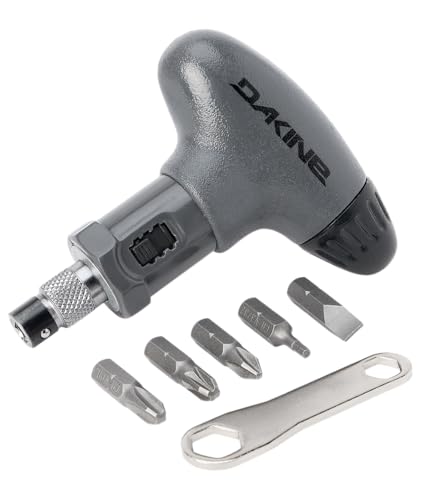
6 piece ratchet driver
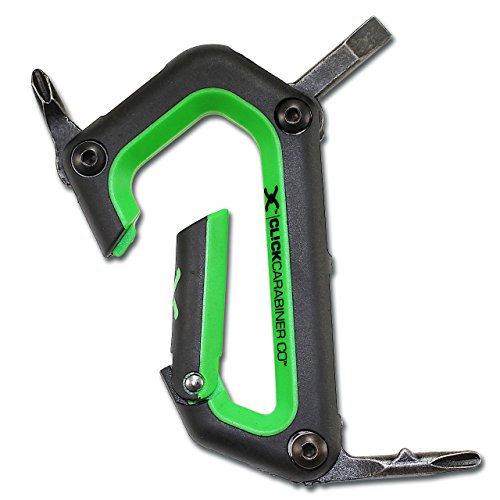
#2 Phillips head screwdriver with 90 degree & 180 degree locking feature.

Light and very duriable snowboard and ski binding tool. Foldout one piece bits for maximum leverage and reach. Cold weather with gloves on tested! Bits: #3 Stubby which is snowboard specific, #2 Phillips, 1/4 inch flat Head and Boom bottle opener to open a refreshing beverage.
Conditioning and Warm-Up Strategies for Injury Prevention

In winter sports, a robust conditioning routine paired with effective warm-up strategies plays a vital role in injury prevention and performance enhancement. Essential components include dynamic balance training, which fosters quick reflexes to adapt to changing terrains, and flexibility training, important for maintaining muscle elasticity. Core strengthening and lower body strength improve stability and control, preventing injuries during intense activities. Dynamic warm-ups are recommended to increase core temperature and enhance muscle readiness, followed by static stretching to improve range of motion. Gradually easing into physical exertion minimizes the risk of strains on cold muscles. By incorporating these targeted strategies, athletes can enhance their performance while greatly reducing the likelihood of injuries, creating a safer and more enjoyable winter sports experience.
Recommended Products

Black balance board can help improve core strength, coordination, posture, and balance

IMPROVE CORE STRENGTH & BALANCE – Strengthens and engages multiple core muscles at once to maintain balance during exercises

Multi-functional Exercise: The half exercise ball trainer, unlike any other fitness equipment, offers various strength training methods targeting every muscle in your body, supporting multiple unique stretching poses, making it a perfect complement to your home gym and workout routine. With infinite exercise options, from stepping to plank, lunge to push-up, it provides endless possibilities for full-body workouts.
Adapting Equipment to Weather and Terrain Conditions

Adapting equipment to varying weather and terrain conditions is vital for maximizing performance and minimizing the risk of injuries during winter sports. Regularly evaluating terrain and understanding the weather impact on snow conditions allows athletes to make informed choices about their gear. For instance, sharpening ski edges and adjusting bindings tighter for powder can greatly lessen knee injuries, while looser settings suit icy conditions. Utilizing helmets with adjustable vents guarantees comfort across temperature swings, while goggles with interchangeable lenses enhance visibility in changing light. Additionally, selecting wider skis for deep snow and maintaining equipment through regular inspections lowers the risk of failures. Such proactive adaptations create a safe, enjoyable experience on the slopes, fostering a sense of community among winter sports enthusiasts. Furthermore, selecting bindings with multi-norm compatibility ensures they fit securely with various boot types, enhancing overall safety and performance.
Recommended Products
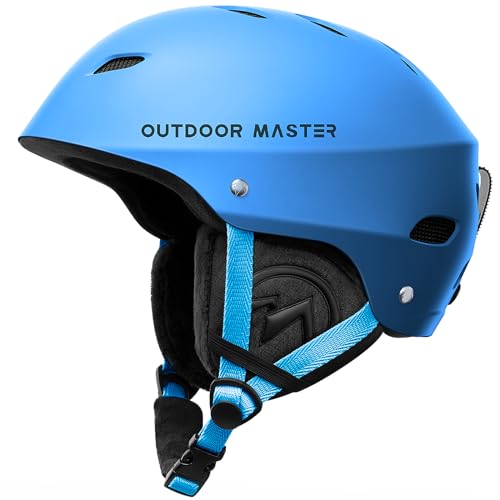
Comfortable Safety: Ski helmet built for both comfort and safety. Equipped with reinforced ABS shell & shock-absorbing EPS core
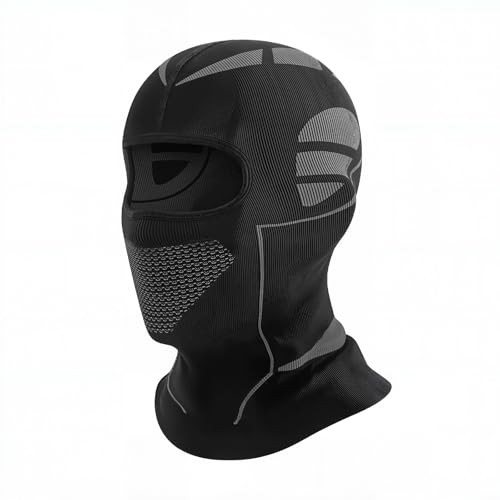
Versatile All-In-One Outdoor Mask : This mask works as a full face mask, balaclava, ski mask, and motorcycle face mask, suitable for skiing, motorcycling, and other outdoor activities. It has an elastic fit for comfort, and is lightweight while keeping you warm.

SAFETY FIRST: Built with a tough ABS outer shell and shock-absorbing EPS foam core, this helmet shields your young rider from impacts while they learn, explore, and gain confidence on the slopes
Frequently Asked Questions
How Can I Determine My Proper Ski or Snowboard Length?
To determine proper ski length or snowboard length, one should consider height, weight, and riding style. Weight plays a vital role, while personal preferences and terrain choice also influence ideal board or ski dimensions for an enjoyable experience.
Should I Replace My Helmet After a Fall?
Replacing a helmet after a fall is essential; studies indicate that 70% of impacts may cause hidden damage. Prioritizing helmet safety and performing an impact assessment guarantees lasting protection and enhances collective confidence in winter sports activities.
What Types of Winter Sports Require Specialized Equipment Adjustments?
Winter sports like skiing and snowboarding require specialized equipment adjustments for ideal performance. Proper ski equipment settings and snowboard stance adjustments enhance control, stability, and safety, ensuring a more enjoyable experience while reducing injury risks for participants.
How Often Should I Check My Equipment Before Winter Sports?
Equipment maintenance involves regular inspections prior to winter sports activities. Checking frequency should include pre-use assessments, weekly evaluations during active sessions, and thorough seasonal check-ups to guarantee safety and performance, fostering a supportive sports community.
Can I Adjust Bindings Myself, or Should a Professional Do It?
Like a painter choosing the right brush, binding adjustment techniques vary; professionals guarantee safety and performance, while DIY attempts risk injuries. Consulting experts fosters community and belonging, enhancing enjoyment in winter sports without unnecessary dangers.