As an Amazon Associate, we earn from qualifying purchases. Some links on this site are affiliate links at no extra cost to you. Our recommendations are based on thorough research and editorial judgment.


How Do Helmet Visors Compare to Traditional Goggle Setups?

Helmet visors outperform traditional goggles by offering a panoramic field of vision that enhances awareness on the slopes. With built-in anti-fog features and better ventilation, visors noticeably reduce fogging issues, while their seamless design minimizes gaper gaps for improved comfort and protection. Although visors may carry a higher initial cost, their integration provides superior safety, keeping the face shielded at high speeds. Those curious about future enhancements and practical insights will find informative details ahead.
Key Takeaways
- Helmet visors offer a wider panoramic field of vision, enhancing awareness and hazard detection compared to traditional goggles.
- Visors promote better comfort with superior padding and ventilation, eliminating tight adjustments that can lead to discomfort.
- Fogging is minimized in visors through built-in ventilation channels, while goggles may trap moisture leading to foggy lenses.
- Visors have a higher initial cost due to integrated technology, but goggles can have longevity features that aid in overall cost-effectiveness.
- Advanced visor technology eliminates gaper gaps, reducing cold exposure, while goggles require careful positioning to minimize gaps for effective weather protection.
Field of Vision Advantages
You may be interested


When considering skiing safety and performance, visual clarity plays an essential role, and helmet visors stand out for their superior field of vision compared to traditional goggles. The integrated visors offer a wider panoramic field, enhancing field awareness and allowing skiers to detect hazards more effectively. Unlike goggles, which can narrow the visual field due to frame design, helmet visors eliminate gaper gaps and blind spots, providing seamless visibility. This expanded view helps skiers monitor their surroundings, including other skiers and terrain changes. With added features like anti-fog coatings and superior ventilation, visors maintain consistent clarity even in challenging conditions, making them a favorable choice for those committed to performance and safety on the slopes. Additionally, the incorporation of anti-fog technology ensures that visibility remains unobstructed during intense skiing sessions.
Comfort and Fit Comparison
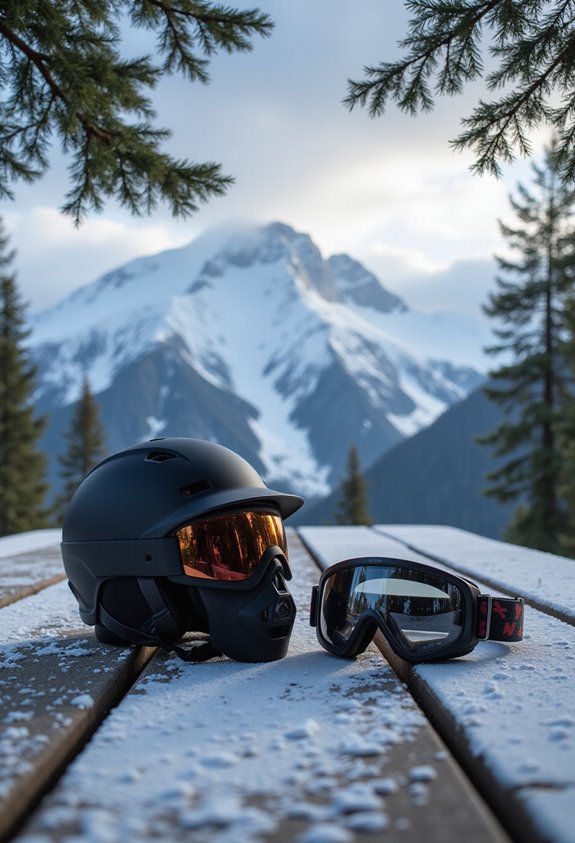
Comfort and fit are critical factors that avid skiers consider when choosing between helmet visors and traditional goggles. Visor helmets often provide superior padding comfort, as they attach directly to the helmet shell, reducing direct pressure on the face compared to goggles, which rely on cushioned foam that can create troublesome pressure points. Furthermore, visor options eliminate the need for tight fit adjustments, which can lead to discomfort or headaches. Additionally, visors enhance ventilation, promoting airflow and minimizing fogging, ensuring a comfortable experience during long runs. The seamless integration of visors into helmets also simplifies convenience, allowing for a quick flip-up mechanism while maintaining compatibility with eyeglasses, enhancing overall satisfaction for alpine enthusiasts enthusiastic for peak performance. Moreover, helmets equipped with MIPS technology can significantly enhance safety by reducing rotational forces during impacts.
Protection Levels
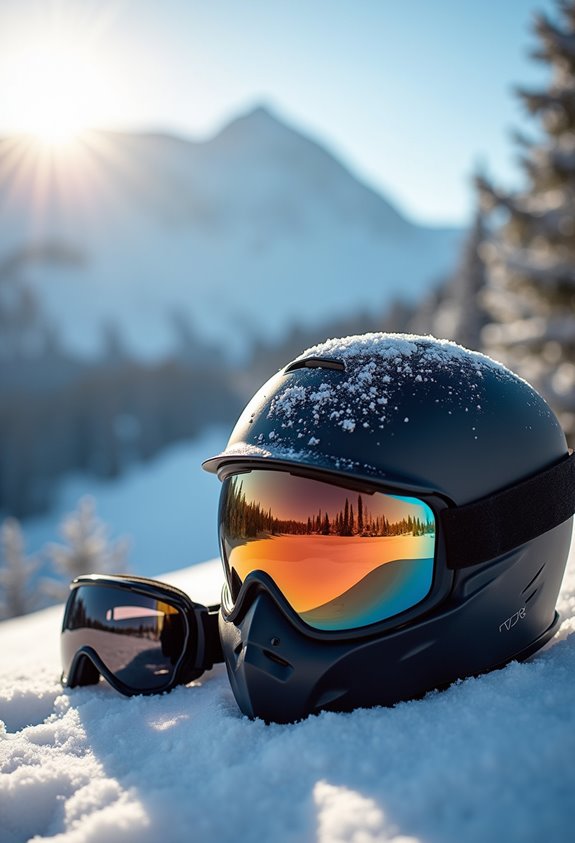
Protection levels are a primary concern for skiers choosing between helmet visors and traditional goggles, as each option offers distinct advantages in safeguarding against various hazards encountered on the slopes. Helmet visors provide full-face protection, covering the eyes, nose, and mouth, thereby reducing exposure to flying debris and harsh weather, while their firm construction enhances impact resistance during falls. In contrast, goggles primarily shield the eyes but leave other facial areas exposed. Although they offer excellent sealing against dust and splashes, they may suffer from lens scratching under high impact. Ultimately, both options meet essential protection standards, but visors may enhance overall safety and comfort, particularly in high-speed skiing conditions, making them a strong contender for those seeking thorough facial protection. Additionally, helmets equipped with MIPS technology further improve safety by redirecting energy during impacts.
Recommended Products
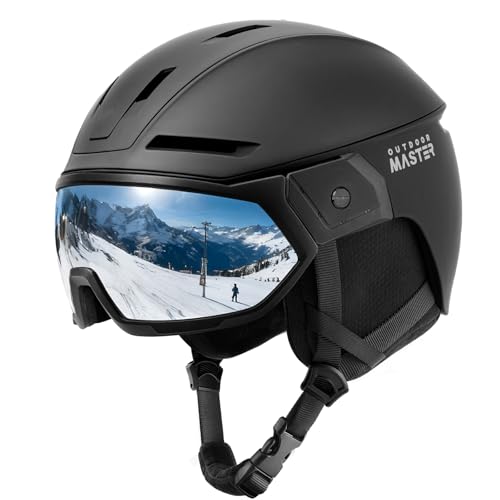
Integrated Design: OutdoorMaster Aegis snowboard helmet with integrated visor form a unified protection system, engineered for unmatched stability, wind-free comfort, and fog-resistant panoramic vision—so you can focus purely on the ride
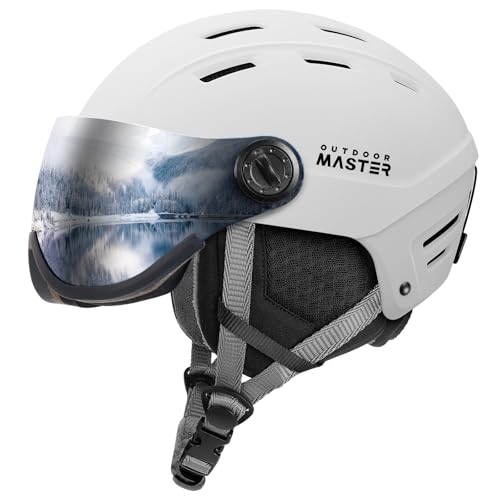
First Choice for Ski Helmet: The impeccable fit of both the Kelvin II ski helmet and OutdoorMaster ski goggles ensures a seamless experience. Perfectly designed for winter enthusiasts, this helmet is a must-have for those who crave the thrill of skiing, skating, snowboarding, and more
Fogging and Ventilation Features
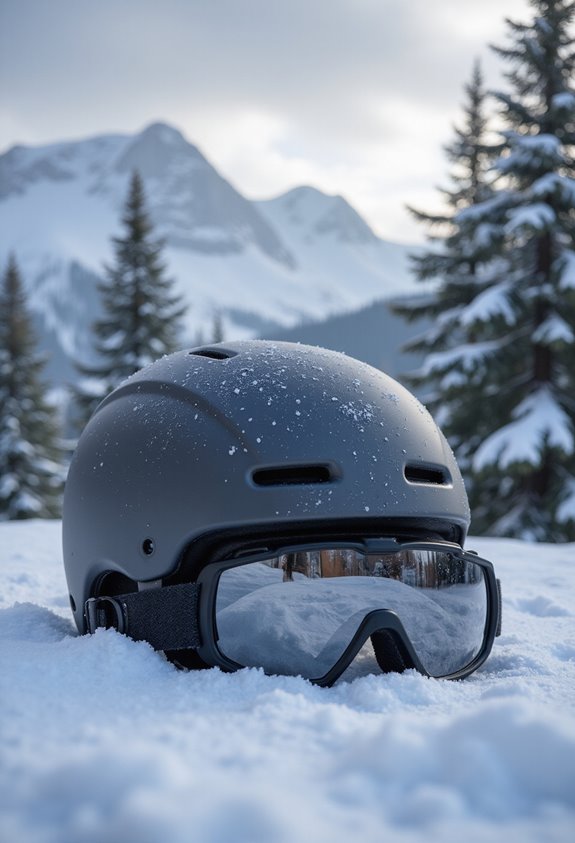
Choosing the right skiing eyewear plays an essential role in ensuring clear vision and comfort on the slopes, and understanding the differences in fogging resistance and ventilation features between helmet visors and traditional goggles is crucial for any skier. Helmet visors, with their built-in gaps, promote effective fogging prevention by allowing warm air to escape quickly. The integrated ventilation channels further enhance ventilation efficiency, lowering the fogging risk. In contrast, traditional goggles rely on foam seals that can trap moisture, leading to prolonged fogging in lower-quality models. Some modern goggles provide specialized airflow systems, yet they often fail to match the customizable ventilation options offered by visors, making visors a preferable choice for an uninterrupted skiing experience. Additionally, goggles equipped with Integral Clarity Anti-Fog Technology help maintain clear visibility, particularly in challenging weather conditions.
Recommended Products

Spherical Dual REVO Lenses: The professional adult ski goggles design as Frameless. The lens of the ski goggles is very clear. The Winter Sports Goggles would take you wide and clean vision, you can see the beautiful snow scene without blocking your view when you are snowboarding downhill. The full REVO coating makes it much more cool and scratch proof.

The FRAME is a higher hardened surface with good anti-chemicals; the stronger elasticity bring less deformation or any breakages

TPX lightweight frames float in water while adjustable strap on these sunglasses ensures secure, comfortable fit
Weather and Environmental Shielding
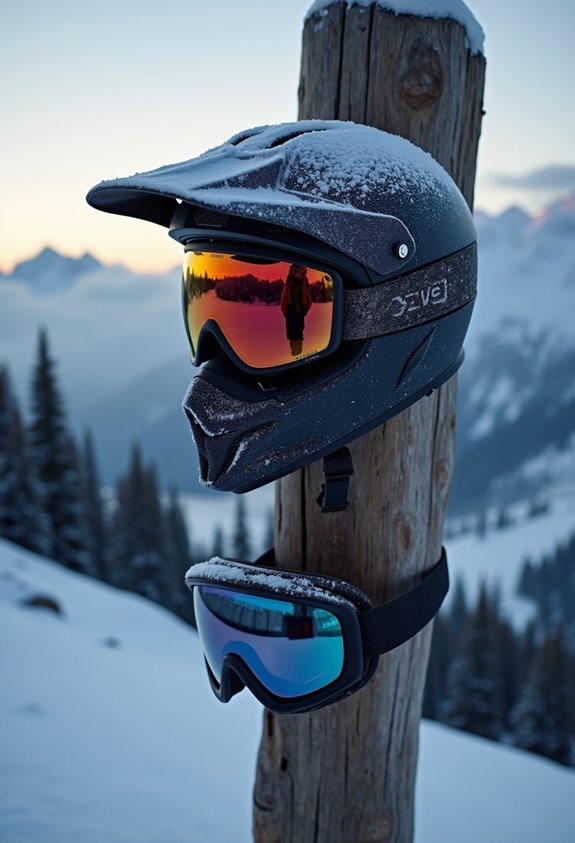
When considering the overall weather and environmental shielding of skiing eyewear, both helmet visors and traditional goggles present unique advantages that can markedly affect performance on the slopes. Helmet visors excel in wind protection due to their detailed design, providing a seamless interface with the helmet that minimizes exposure to the elements. This feature is particularly beneficial in inclement weather, enhancing visibility and reducing climate impact. Additionally, visors offer superior glare reduction, which aids visibility enhancement while maneuvering through bright, snowy terrains. Conversely, goggles may perform better in off-road conditions, ensuring airflow and robust protection from snow flurries. Ultimately, choosing between helmet visors and goggles requires understanding personal preferences and evaluating specific environmental needs for an enhanced skiing experience. Furthermore, ski goggles enhance visibility on low light conditions by improving depth perception and contrast, making them a crucial choice for safety on the slopes.
Recommended Products

Lightweight and Bendable Material: Made of high-quality PC lenses and ABS frame, these ATV riding ski goggles are durable, lightweight, and compact. They can be easily stored in a goggles glasses bag, making them convenient to carry wherever you go. A perfect gift for birthdays, Christmas, anniversaries, Father's Day, Mother's Day, and other festivals.

Snow Helmet & Ski Visor Goggles: TOMSHOO ski helmet with visor shell strong impact resistance and anti-shock effect. With thick plush lining, comfortable and safe
Cost Considerations
While evaluating the financial aspects of skiing eyewear, it is essential to compare the cost structures of helmet visors and traditional goggles, as they can greatly influence overall investment. Helmet visors generally start at a higher base price due to integrated technology, with low-end options ranging from £160 to £190. However, when considering separate helmet and goggle combinations, the price discrepancy narrows, potentially making visor helmets the cost-effective choice for long-term value. Replacement costs can be higher for visors, as they require exact-fitting models, while traditional goggles often allow easier lens replacements. Additionally, high-quality goggles may include features that extend their lifespan, ultimately affecting the overall cost of ownership for avid skiers. Furthermore, goggles with advanced anti-fog technology can provide clearer vision, reducing the need for frequent replacements.
Recommended Products

[Safety Certified & Durable]: This snow sports helmet meets ASTM certification standards, featuring a rugged ABS shell and high-density EPS foam for superior impact protection, ensuring your head remains safe during high-speed skiing, snowboarding, or other intense winter activities on the slopes.

Outstanding Snow Helmet & Ski Visor Goggles: Odoland ski helmet with visor is the perfect choice for adult snow sports enthusiasts. Designed to perform brilliantly in all weather conditions, it provides effective, all-around protection for skiing, snowboarding, and other snow activities, ensuring you can focus on having fun safely.

Safety: Meets or exceeds CPSC, ASTM and CE safety standards, powerful protection to ensure safety. ABS shell and high-density EPS provide excellent protection.Note: This is a bike helmet, not a motorcycle helemt. Can't be used with motorcycles.
Practicality and User Experience
Skiers often prioritize comfort and functionality when evaluating eyewear options, making the comparison between helmet visors and traditional goggles an essential consideration. In a usability analysis, comfort levels with visors often surpass those of goggles, providing reduced pressure on the face and improved airflow due to the design gap. This gap also contributes to fog prevention, making visors favorable for those who wear buffs or masks. Furthermore, visors deliver a wider field of view, enhancing awareness of surroundings, while traditional goggles can restrict peripheral vision. However, goggles might be preferred for high-speed activities due to their secure fit. Ultimately, the choice hinges on individual user experience, balancing comfort, visibility, and protection for a satisfying day on the slopes. Additionally, advanced lens technology such as Prizm lens technology can further enhance the clarity and contrast essential for optimal performance in varying light conditions.
Aesthetic Options and Customization
The choice between helmet visors and traditional goggles greatly impacts not only functionality but also aesthetic appeal, which often plays an essential role in a rider’s identity on the slopes. Goggles offer aesthetic diversity through varied styles, colors, and customizable lens options, appealing to those seeking a unique or vintage look. In contrast, visors provide a sleek, integrated design, harmonizing seamlessly with full-face helmets for a modern aesthetic. While goggles feature adjustable straps for personalized fit, visors are designed for specific helmet models, ensuring no gaps but offering limited post-manufacture customization options. Riders passionate about their style may find goggles more appealing due to their wide-ranging customization options, enhancing both functionality and visual identity on the mountain. Additionally, the anti-fog features in many goggle models ensure clear visibility, further supporting the rider’s performance and style.
Integration With Helmets
Integration with helmets is a critical consideration for both functionality and comfort in skiing and snowboarding gear. Helmets that utilize advanced visor technology are designed for a seamless fit, avoiding the common issue of a “gaper gap” which can lead to discomfort from cold air or snow exposure. Traditional goggles often fall short, requiring careful matching to helmet designs. In contrast, visor-equipped helmets feature a convenient flip-up mechanism, allowing for easy ventilation adjustments without removing the helmet. Additionally, the single-lens structure simplifies maintenance and reduces pressure points commonly experienced with goggles. With compatibility for eyewear and advanced fog management capabilities, these integrated systems represent a practical choice for enthusiasts seeking streamlined performance and protection on the slopes. Furthermore, the use of MIPS technology in some visor helmets enhances safety by providing additional impact protection.
Recommended Products

WARM & COMFORTABLE: Cycling cap is made of 85% polyester 15% spandex for comfort fit, outer against wind fabric + inner soft inner lining keep your head warm in the cold weather. Can be worn alone or use as a helmet liner.

ULTIMATE SUN PROTECTION: EquiVisor features a 4.5" tapered brim designed to shield your face and ears from harmful UV rays without obstructing your vision, making it the perfect helmet visor or sun visor for outdoor activities.
The Gaper Gap Issue
While many enthusiasts prioritize gear performance and style, few factors affect the skiing and snowboarding experience as substantially as the gaper gap issue. This gap, the visible space between a helmet and goggles, can lead to skin problems, discomfort, and the infamous gaper gap stigma within the snow sports community. Gaper gap solutions, such as helmet visors, effectively eliminate this exposure by providing a seamless connection, enhancing warmth and protection on the slopes. Traditional goggles often require precise positioning to minimize this gap, which can be challenging. By understanding the implications of the gaper gap and prioritizing gear that addresses this issue, skiers and snowboarders can boost both comfort and their social standing, ensuring a more enjoyable experience in the snow. Additionally, goggles that feature anti-fog technology can further enhance visibility, making it easier to navigate the slopes without distraction.
Performance in Different Conditions
When skiers and snowboarders venture onto diverse terrains and in varying weather conditions, the choice between helmet visors and traditional goggles can greatly influence their performance and comfort. Visibility impacts are critical; visors provide superior peripheral vision, allowing skiers to see around them better than goggles, which may obstruct side views due to frame width. However, goggles excel in sealing against wind and cold, reducing eye irritation. The anti-fog properties also differ; visors minimize fogging through natural airflow, while higher-end goggles offer advanced ventilation. Performance metrics indicate that visors may shine in visibility, but goggles typically win in harsh weather. Ultimately, the decision will depend on an individual’s priorities in comfort, visibility, and protection across distinct environments.
Maintenance and Care
Effective maintenance and care are essential for prolonging the lifespan and performance of ski helmet visors and goggles, ensuring that both accessories deliver peak functionality on the slopes. For visor maintenance, gentle cleaning techniques using a microfiber cloth and mild solutions are critical to prevent scratches, while the inner surface benefits from anti-fog treatment. Meanwhile, goggles, with their removable lenses, allow for straightforward maintenance routines, making it easier to replace individual components when necessary. It’s important to regularly check and care for the foam liners in goggles to maintain ventilation and avoid fogging. Proper storage, avoiding extreme temperatures, and keeping visors and goggles free of debris will also enhance their longevity, ensuring cherished moments on the mountain remain uninterrupted.
Weight and Bulkiness
The difference in weight and bulkiness between helmet visors and traditional goggles considerably impacts the overall skiing experience, especially for those who prioritize comfort and mobility on the slopes. A weight comparison reveals that visor helmets are often lighter than the combined weight of traditional helmets and goggles, which can exceed 600 grams, particularly with OTG models. Although dual visor helmets may add a slight weight due to internal mechanisms, modern designs minimize this difference. Additionally, the bulkiness impact of visor helmets, with their streamlined design, is generally less than that of separate helmet and goggle setups, reducing discomfort and enhancing ease of movement. In challenging skiing conditions, this can ultimately improve performance and enjoyment on the mountain.
User Testimonials and Preferences
User testimonials reveal a growing preference for visor helmets among skiing enthusiasts, primarily due to their comfort and functional advantages over traditional goggles. User feedback indicates that these helmets are favored for their wider peripheral vision, which enhances safety and situational awareness during skiing. Many users appreciate the integrated visor, allowing those who wear glasses to enjoy clear visibility without discomfort. Additionally, the ease of adjusting the visor on-the-go attracts a diverse user demographic, especially those seeking practicality. However, some users have reported minor drawbacks, such as snow intrusion through gaps. Overall, the blend of modern aesthetics, protection, and convenience makes visor helmets a sought-after choice within the skiing community, aligning with their desire for both functionality and style.
Future Trends in Visor and Goggle Technology
As technology continues to evolve, advancements in visor and goggle design promise to dramatically enhance the skiing experience, particularly through innovations such as adaptive visors and augmented reality integration. Future developments focus on adaptive visors that automatically adjust tint based on ambient light, providing ideal visibility in changing conditions. Electrochromic technologies enable quick tint changes, allowing skiers to maintain focus without manual adjustments. Furthermore, augmented reality visors offer real-time data overlays for navigation and weather, elevating situational awareness while keeping hands on the controls. Enhanced materials increase visor durability and safety, with features like anti-fog coatings and impact resistance. With these exciting technology integrations, skiers can expect a more enjoyable and informed riding experience in the near future.
Frequently Asked Questions
Can Visors Be Used With Prescription Glasses Comfortably?
Although visors can provide impressive style, their visor comfort may falter for prescription compatibility, as many designs struggle to accommodate glasses without pressure. Users should carefully assess fit to guarantee clarity and comfort on every journey.
Are Visors Compatible With All Helmet Types?
Visors are not compatible with all helmet types due to varying visor attachment mechanisms and helmet design. Each helmet brand and model requires specific visors, ensuring ideal fit, functionality, and safety for users within the community.
How Do I Clean and Maintain My Visor?
Glimmers of sunlight dance on a freshly cleaned visor. For effective visor cleaning, he suggests using mild soap and a soft cloth, while sharing maintenance tips like regular deep cleaning to guarantee clarity and extend lifespan.
What Safety Certifications Should I Look for in Visors?
When considering visors, individuals should prioritize DOT, ECE, and Snell certifications, ensuring high visor technology and durable visor materials. Such certifications guarantee ideal impact resistance, clarity, and safety, fostering a sense of community among safety-conscious riders.
Can I Replace a Damaged Visor Easily?
Indeed, a damaged visor can be replaced easily. Replacement options are user-friendly, and visor durability guarantees clear vision, fostering safety and enjoyment. Choosing the right fit builds confidence, creating a sense of belonging among outdoor enthusiasts.