As an Amazon Associate, we earn from qualifying purchases. Some links on this site are affiliate links at no extra cost to you. Our recommendations are based on thorough research and editorial judgment.


How Often Should You Replace Your Ski or Snowboard Helmet?

Ski and snowboard helmets should generally be replaced every 3 to 5 years, as their materials degrade over time, especially after 5 years due to UV exposure and temperature extremes. Frequent skiers and aggressive riders may need to replace helmets every 2 to 3 years to maintain ideal safety. Always replace your helmet immediately after any significant impact, and regularly inspect for visible damage. Interested in extending the life and safety of your gear? There’s more to explore.
Key Takeaways
- Replace your ski or snowboard helmet every 3 to 6 years to ensure optimal safety and protection.
- Frequent users should consider replacing their helmet every 2 to 3 years due to increased wear.
- Always replace your helmet immediately after any significant impact to maintain safety standards.
- Inspect helmets regularly for visible damage, such as cracks or dents, indicating the need for replacement.
- Store and care for your helmet properly to extend its lifespan and maintain its protective capabilities.
Lifespan of Ski and Snowboard Helmets
You may be interested



The lifespan of ski and snowboard helmets typically ranges from 3 to 5 years, a timeframe recommended by both manufacturers and safety experts to guarantee maximum protection. Beyond this period, material degradation begins to affect performance, even if no visible damage is apparent. Helmets, exposed to elements like UV rays, can become brittle, compromising protective technology designed to absorb impacts. Additionally, environmental factors, such as extreme temperatures, contribute to the aging of helmet materials, including foam and plastic. Regular replacement guarantees that skiers and snowboarders benefit from peak safety, preserving fit and shock absorption capabilities. For those committed to hitting the slopes, prioritizing helmet longevity not only enhances enjoyment but fosters a culture of safety within the skiing community. Ultimately, regular inspections of your helmet’s integrity and fit are vital to ensuring ongoing protection on the slopes.
Factors Affecting Helmet Lifespan
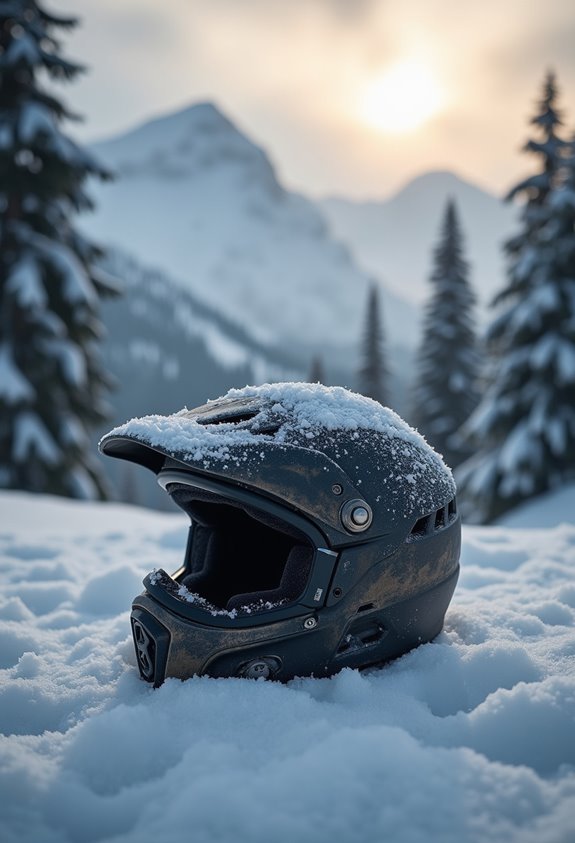
When considering the longevity of ski and snowboard helmets, several pivotal factors come into play that can greatly impact their lifespan. UV exposure can degrade helmet materials, making them brittle, while temperature extremes contribute to structural integrity. Additionally, moisture and sweat can weaken internal components, highlighting the importance of helmet technology and material advancements. Frequent and aggressive skiing accelerates wear, particularly in severe weather or challenging trail conditions, necessitating regular inspections. Moreover, visible damage or impacts warrant immediate replacement, as even minor accidents can compromise protection. Proper storage and cleaning practices are essential, as they can help maintain a helmet’s condition over time. Understanding these factors cultivates a safer skiing experience and fosters community among enthusiasts valuing safety and performance. Furthermore, safety certifications play a crucial role in ensuring that helmets provide adequate protection against impacts.
Recommended Products

It’s Time to Drop In: The Smith 4D MAG brings our widest field of view and sharpest optics to give you the best possible read on the terrain, so you can nail your line every time; BirdsEye Vision clarifies not just your line, but the riders in your periphery. Increasing your field of view by 25%

It’s Time to Drop In: The Smith 4D MAG S combines a wide field of view and sharp optics to give you the best possible read on the terrain, in a design built for smaller faces

Weight: 480g; WaveCelreduces impact forces like the crumple zone of a car, diverts rotational forces, and helps distribute impact energy through a network of cells; WaveCel helmets are designed to fit closer to the head, providing a snug, comfortable fit. Refer to sizing chart for accurate measurements.
Replacement Guidelines
Replacement guidelines for ski and snowboard helmets are essential for guaranteeing maximum safety and performance on the slopes. Typically, manufacturers recommend replacement intervals of every 3 to 6 years, emphasizing that frequent users, such as professionals and heavy riders, should consider replacing their helmets every 2 to 3 years due to impact damage and wear. Even without visible signs, helmets can degrade, diminishing their protective capabilities. After any significant impact, helmets must be replaced immediately, regardless of external damage. Signs to look for include cracks, dents, and compromised padding, which can reduce both comfort and protection. Regular inspections alongside smart storage practices can extend the life of a helmet, but timely replacement guarantees optimal safety for every skiing adventure. Additionally, it is crucial to focus on Snell SA2020 certification when selecting a replacement helmet to ensure high safety standards.
Recommended Products

QUICK-CHANGE MAGNETIC-ASSISTED LENS SYSTEM - The Quick-Change Lens System uses self-locating magnets to assist in lightning-fast lens replacement.
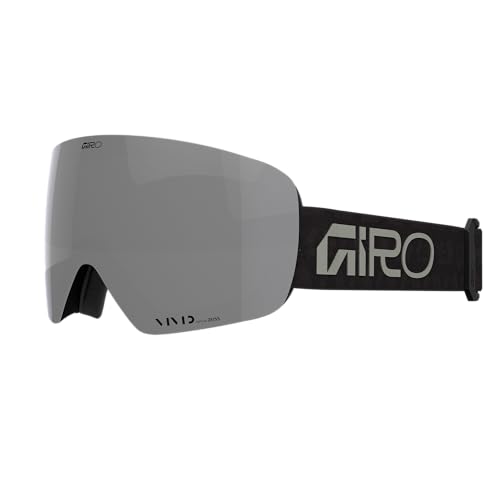
QUICK-CHANGE MAGNETIC-ASSISTED LENS SYSTEM - The Quick-Change Lens System uses self-locating magnets to assist in lightning-fast lens replacement.

From Regular to Widescreen: You can only scope your line if you can see where you're going. Putting on the Smith I/O MAG snowsports goggles is like flipping the switch from regular to widescreen, making every wind lip, landing, and tree glade as sharp as possible.
Safety Considerations
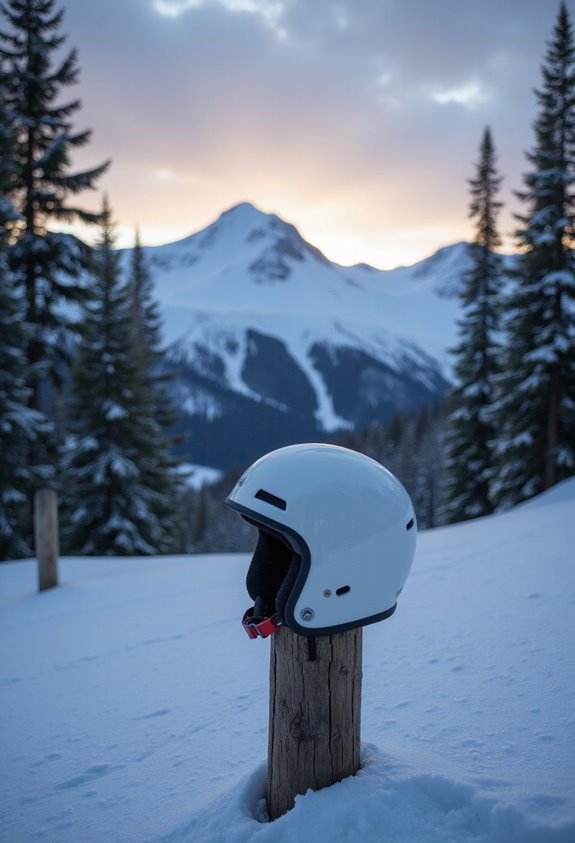
Safety considerations for ski and snowboard helmets are paramount, as the proper protection can greatly reduce the risk of head injuries during winter sports. Helmets must adhere to essential certification standards, such as ASTM F2040 and CE EN 1077, ensuring adequate impact protection. These standards dictate how helmets perform during impact tests; for instance, ASTM tests at higher speeds, reflecting real-world conditions. Choosing helmets with full coverage, like those rated EN 1077 A, maximizes safety, particularly for vulnerable skiers and snowboarders. With head injuries being prevalent, particularly among younger and less experienced enthusiasts, prioritizing a well-rated helmet not only promotes community safety but enhances overall confidence on the slopes. MIPS technology is an important feature that significantly reduces rotational forces during falls, making it a valuable consideration when selecting a helmet. Safety begins with the right equipment—choose wisely.
Helmet Maintenance and Care
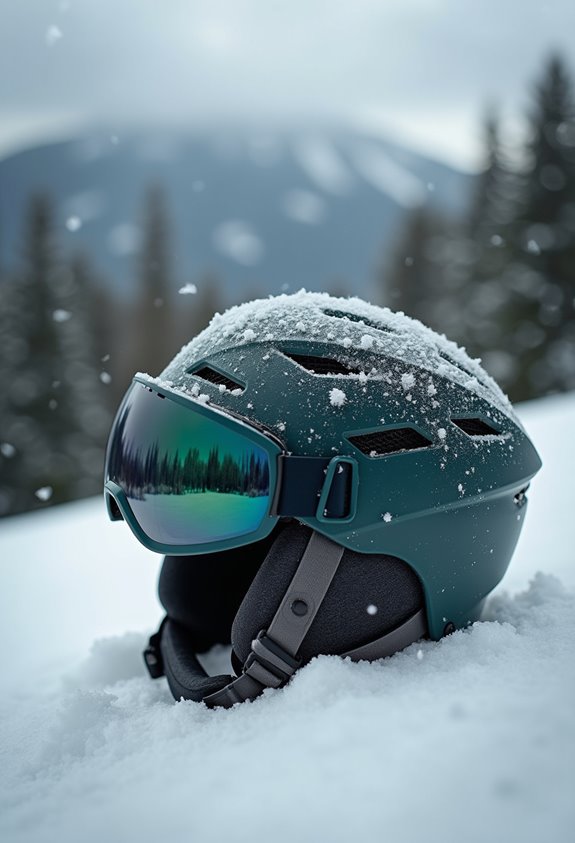
To guarantee peak performance and safety, maintaining a ski or snowboard helmet is essential for every enthusiast on the slopes. Regular helmet cleaning is critical; enthusiasts should use lukewarm soapy water and a soft cloth to keep the helmet shell in top condition, while internal padding, if removable, should be hand-washed gently. Proper storage practices greatly enhance longevity—helmets should be kept in cool, dry areas away from direct sunlight to avoid material degradation and foam compression. Using the provided helmet bag during transport not only protects against dirt but also minimizes impact damage. By adhering to these maintenance tips, skiers and snowboarders guarantee their helmets remain safe and effective, enhancing every ride down the mountain. Additionally, helmets that feature MIPS technology offer an extra layer of safety against rotational forces, further emphasizing the importance of regular maintenance.
Recommended Products

RaceWax Elite Ski Snowboard Wax Tuning Kit with a World Cup All Metal Ski Vise. Perfect kit for those needing to tune many skis/boards! The Swix edge tool does 9 angles and sets both base and side. A 80 mm diamond stone for edge sharpening included. NOTE! 80 mm IS THE MAX LENGTH FOR THIS TOOL.
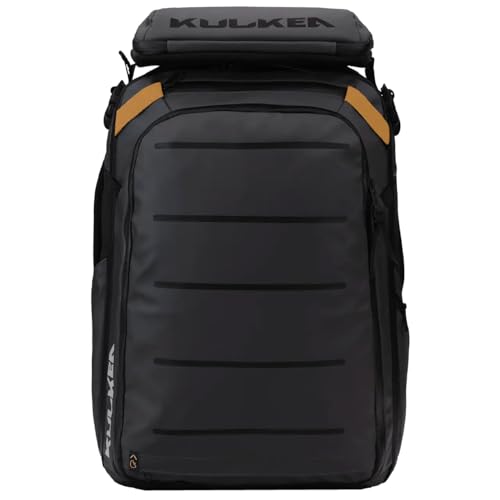
THE ESSENTIAL TRAVELING BACKPACK: Elevate your travel game with our revolutionary Käydä Travel Backpack and detachable travel kit. Designed with elite outdoor sports in mind by experienced adventure travelers, this is more than just a carry-on; it's an efficient travel system that will change the way you travel.

Heated Anti-Fog Technology: Equipped with advanced I.T.O film technology, these goggles feature a heated anti-fog dual-pane lens, providing clear, fog-free vision in any condition
Economic and Practical Considerations
Evaluating the economic and practical considerations of helmet replacement is essential for skiers and snowboarders who want to balance their safety with budgetary constraints. The economic impact of frequently replacing helmets often appears burdensome, yet it serves as an important investment in safety, minimizing injury risks and potential medical expenses. While manufacturers recommend replacing helmets every 5 to 6 years, individual usage and environmental conditions influence durability and consumer behavior regarding timely purchases. Higher-quality helmets may justify their initial cost through reduced replacement frequency, aligning cost-effectiveness with safety. Additionally, trade-in programs or recycling options create incentives for responsible consumer choices, ensuring everyone can participate in a safe skiing community without compromising financial well-being or performance integrity. Understanding safety certifications like ASTM F2040 can further guide consumers in making informed decisions about their helmet choices.
Recommended Products
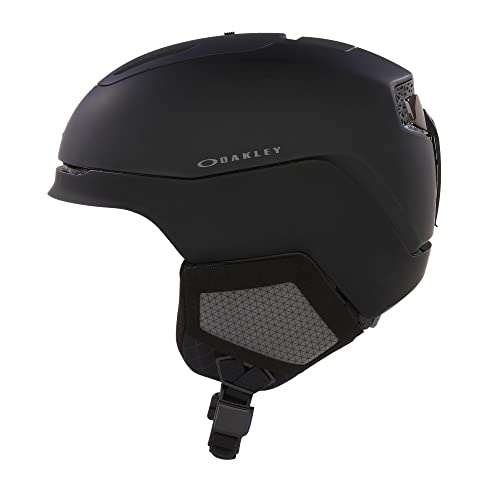
FIDLOCK BUCKLE: Seamless magnetic functionality lets you fasten your helmet with gloves on

The NFX Mag OTG goggle is newly improved with the power of magnets. Dragon’s groundbreaking Swiftlock 2.0 has been augmented with magnetic contact points coupled with the one-sided release lever to create a secure and quick lens changing solution. Add in OTG compatibility, expansive Lumalens Color Optimized technology, Dragon’s Patented Frameless Design, and you’ve got one heck of a goggle.

The RVX Mag OTG goggle is newly improved with the power of magnets. Dragon’s groundbreaking Swiftlock 2.0 has been augmented with magnetic contact points coupled with the one-sided release lever to create a secure and quick lens changing solution. Add in OTG compatibility, expansive Lumalens Color Optimized technology, Dragon’s Patented Frameless Design, and you’ve got one heck of a goggle.
Frequently Asked Questions
Can I Repair a Damaged Ski or Snowboard Helmet?
With a heart heavy for helmet safety, repair methods exist for minor damages, but significant impacts warrant replacement. Ensuring the integrity of their protective gear fosters connection, trust, and a shared commitment to adventure among enthusiasts.
How Do I Properly Clean My Helmet?
To guarantee effective helmet cleaning, utilize helmet cleaning techniques like gentle washing with soapy water for the exterior and machine washing removable liners, following essential helmet maintenance tips to prolong lifespan and enhance safety on the slopes.
What Should I Do With an Old Helmet?
When considering helmet disposal options, explore helmet reuse programs or recycling initiatives. If unavailable, repurpose them creatively for art projects or practical uses, ensuring safety remains a priority and highlighting value beyond their initial use.
Are There Specific Brands Known for Durability?
Durability is highlighted in helmet performance analysis through brand comparison reviews. Bern, Salomon, Smith, Giro, and POC are consistently recognized for their longevity, making them popular choices among enthusiastic skiers and snowboarders seeking reliable protection.
How Can I Properly Measure My Head for Helmet Fit?
To achieve proper helmet sizing, one must measure the head’s circumference with a flexible tape above the eyebrows and ears, ensuring a snug fit. This guarantees ideal safety and comfort while sharing thrilling adventures with others.