As an Amazon Associate, we earn from qualifying purchases. Some links on this site are affiliate links at no extra cost to you. Our recommendations are based on thorough research and editorial judgment.


How Do Rocker Profiles Affect Ski Performance on Various Terrains?

Rocker profiles play an essential role in ski performance across various terrains. Full rocker excels in deep powder but loses edge grip on hardpack, while tip rocker offers balanced floatation with traditional camber for easier turns. Moderate rocker improves both maneuverability and stability, allowing efficient energy use in choppy snow. For hardpack surfaces, skis with minimal rocker maximize edge grip. Understanding these characteristics will help skiers choose the right profile, revealing the potential for a thrilling experience on the slopes ahead.
Key Takeaways
- Full rocker profiles enhance floatation in deep powder but compromise grip on hardpack surfaces due to reduced effective edge.
- Tip rocker improves maneuverability and turn initiation while retaining some edge hold for mixed snow conditions.
- All-mountain skis combine tip and tail rocker benefits, making them versatile across varied terrains and snow types.
- Camber profiles ensure maximum edge grip on hardpack, providing stability and control during turns.
- Double rocker designs promote quick turn engagement and responsiveness, ideal for navigating tight spaces and soft snow.
Understanding Rocker Profiles
You may be interested


Rocker profiles are vital features of modern skis that greatly influence performance on various snow conditions. Each profile, whether it be Full Rocker, Tip Rocker, or a hybrid design, caters to specific rider preferences, enhancing both maneuverability and stability. Full Rocker, with its entire ski curving upward, excels in deep powder, providing superior floatation, but sacrifices edge grip on hardpack. In contrast, Tip Rocker improves floatation at the tip while maintaining traditional camber, making turns easier and reducing the chance of catching tips. The all-mountain versatility of Tip and Tail Rocker combines these benefits, ensuring performance across varied terrains. Understanding these specifications is vital for skiers looking to match their ski development journey with their individual style and conditions, as well as selecting the right impact-resistant helmets to ensure safety while navigating diverse terrains.
Rocker Impact on Turn Initiation
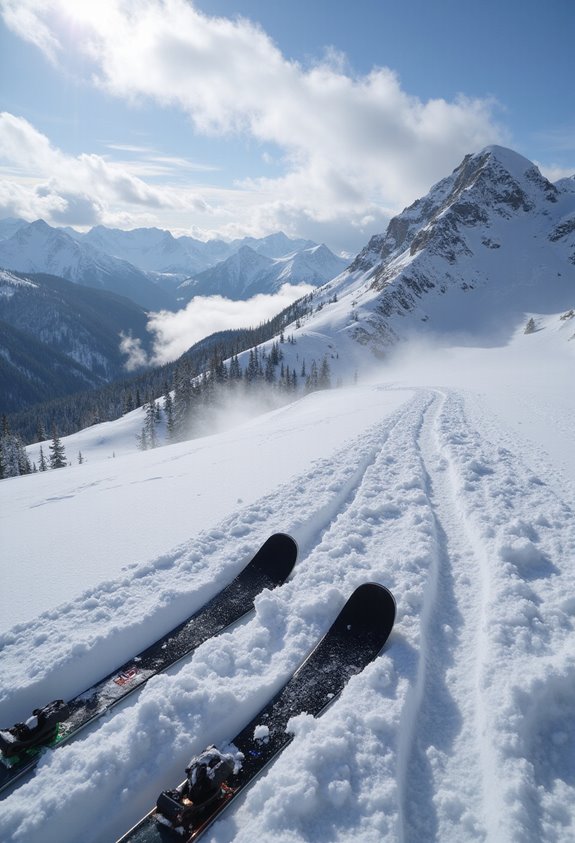
Understanding the dynamics of how skis engage with the snow can greatly enhance a skier’s performance, particularly when it comes to turn initiation. Skis featuring a notable rocker length demonstrate quicker turn engagement due to a reduced effective edge in contact with the snow. This ease allows for smoother shifts, especially in variable snow conditions. The rocker angle, when steeper, elevates the tip, promoting rapid pivoting but may sacrifice precision. In contrast, shallower rocker angles maintain edge contact for stable turn entries. Whether one prefers full rocker profiles for fluid movements in soft snow or blends of rocker and camber for versatile all-mountain performance, selecting the right profile can notably elevate the skiing experience for enthusiasts on any terrain. Additionally, incorporating thermal base layers can help maintain warmth and comfort, further enhancing performance during extended skiing sessions.
Floatation Benefits in Soft Snow
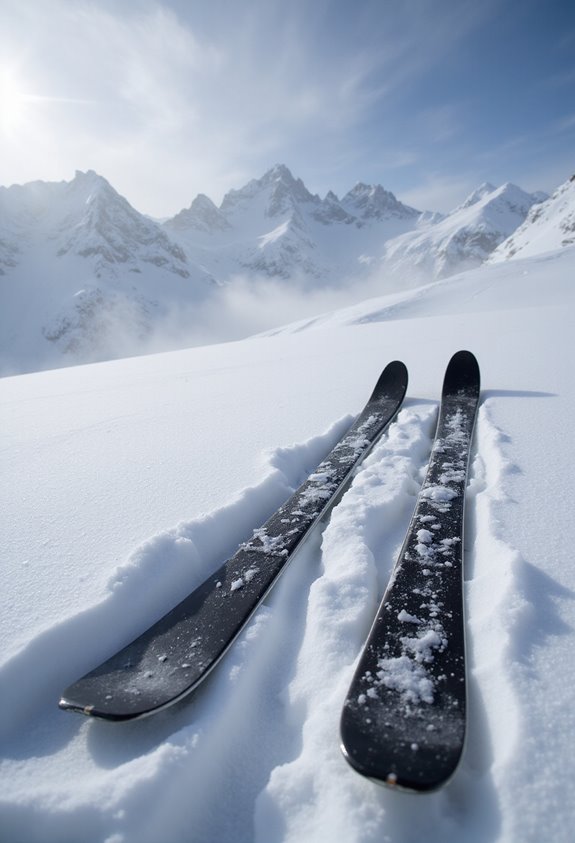
In soft snow conditions, the design of skis greatly influences performance, as ideal floatation becomes crucial for an enjoyable experience on the slopes. Rocker skis provide significant floatation advantages by lifting the tips and tails, which reduces the risk of sinking into deep snow. This design not only guarantees improved buoyancy but also enhances stability, allowing skiers to maintain balance even in variable conditions like sun and wind crust. Additionally, rocker profiles promote energy efficiency, enabling a balanced stance that conserves effort in choppy terrain. The versatility of combining rocker with camber allows skiers to navigate various snow types seamlessly, guaranteeing a controlled and fun experience. These features make rockered skis an excellent choice for anyone looking to thrive in soft snow. Moreover, utilizing self-adhesive pads can enhance comfort and performance, allowing skiers to focus on their technique without distractions.
Recommended Products

System MTN Snowboard : The all new CRCX camber profile, the MTN is a rocker dominant profile which greatly increases float in powder and elevates your contact points so you never catch an edge. The small cambered sections in the nose and tail engage when you tell them to, and create explosive pop. The ultralight 3D core centers around tip to tail Poplar wood with two high density stringers running just outside the center of the board and an artisan grade heartwood stringer down the center.

Profile: Camber Rocker Camber CRCX: An all new design, this is a rocker dominant "camber-rocker-camber" profile. Overall rocker creates tons of float in powder and prevents edge catches for a super smooth ride. Small sections of camber in the tip and tail add explosive pop and increases the effective edge making high speed turns a breeze.

SAVE YOUR ROCKER, TIPS, & TAILS - Store your skis or snowboard on safe contact points with gravity locking design. With a precise point of contact, you get to choose where you hang your skis/board. Gravity Grabber is the ultimate indoor ski storage and snowboard storage rack.
Edge Grip on Hardpack Surfaces
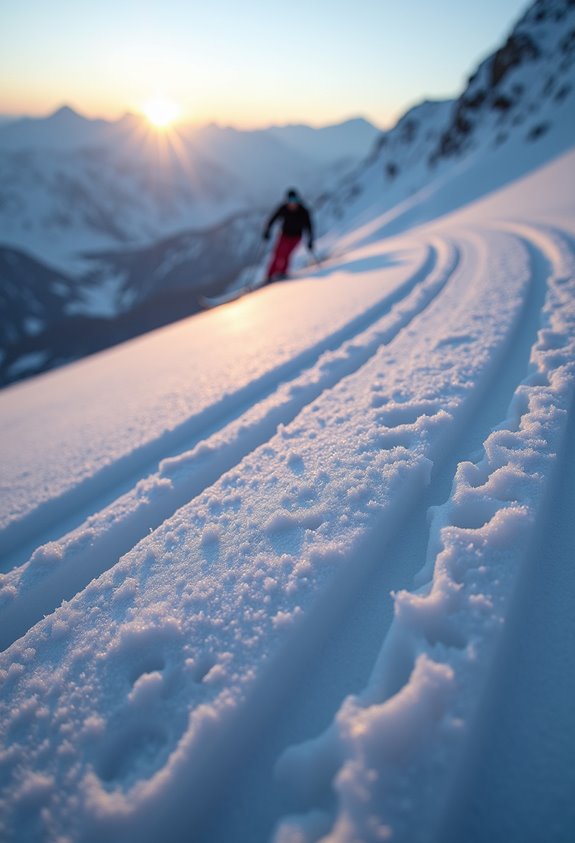
For skiers who frequently tackle hardpack surfaces, selecting the right ski profile is essential to maximizing performance and maintaining control. Skis with dominant camber profiles and minimal rocker are ideal, as the camber enhances edge grip by maintaining consistent contact with the snow. In contrast, pronounced rocker reduces effective edge length, compromising grip on icy surfaces. Moderate tail rocker provides a smoother turn release while preserving edge hold. Consequently, experts recommend skis that balance camber with slight rocker, optimizing performance across hardpack conditions. Stiff constructions further improve stability and minimize chatter, allowing for confident carving. Choosing the right ski setup can dramatically enhance the overall skiing experience, ensuring that skiers feel secure and in control even on the most challenging surfaces. Additionally, skis like the Rossignol Experience 76 Xpress are designed to reduce vibrations, which can further enhance edge grip on hardpack conditions.
Maneuverability in Diverse Terrain
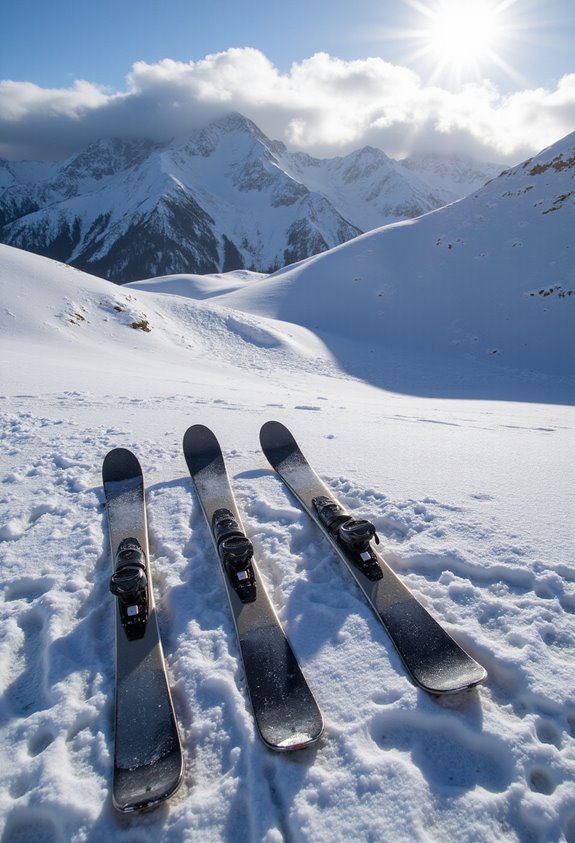
Skiers who wish to navigate a variety of terrains will find that the right rocker profile greatly enhances their maneuverability, allowing for quick adaptations to changing conditions and obstacles. Skis featuring a double rocker promote exceptional turn speed while enhancing terrain responsiveness, making them ideal for tight spaces like trees and moguls. The “banana” shape shortens the effective edge, enabling easier pivoting and tighter turns. Meanwhile, moderately rockered tips assist in soft snow, allowing skiers to maintain balanced stances and exert less effort during turns. This combination of features helps reduce fatigue on longer runs, ensuring that skiers can enjoy their time on the slopes without compromising on agility or control. Smart choices in rocker profiles lead to unforgettable skiing experiences. Additionally, understanding the impact of flex ratings can further enhance the performance of skis across various terrains.
Recommended Products

Symbolic Rocker Snowboard (Pick Size Above)


PRECISION LACE-UP DESIGN: The Momentum Lace offers a customizable, secure fit that adapts to a wide range of foot shapes. Laces provide micro-adjustments for optimal comfort and precision during indoor training or outdoor climbs.
Terrain Suitability for Ski Profile Variants
When considering the right ski profile for various terrains, understanding the distinct advantages of different rocker profiles is fundamental for optimizing performance and enhancing the skiing experience. Full camber skis shine on groomed runs, delivering superior edge grip and stability; however, their limitations in soft snow can hinder maneuverability. In contrast, tip rocker advantages make these skis a go-to for mixed conditions, providing improved floatation and easier turn initiation, perfect for those venturing into softer terrain. For those exploring backcountry or off-piste options, skis featuring tip and tail rocker blend agility with performance, enhancing navigation in varied conditions. Overall, selecting the right profile guarantees a more enjoyable and efficient skiing journey across diverse landscapes. Additionally, the choice of ski touring bindings can significantly influence uphill climbing efficiency and overall performance on different terrains.
Recommended Products

[CANE TIP DURABILITY] - Made of sturdy high-quality rubber for excellent durability, anti-slip functionality, lightweight design and wear resistance. A metal washer at the bottom of the hole prevents the tip of the inserted rod from piercing the elastic rubber.

Standard size fit most standard poles hiking : The trekking pole rubber feet tips have a standard screw diameter of 11 mm 0.43 inch, it will fit most standard trekking poles, hiking poles, walking sticks , mountain sticks, ski poles with the same size tips;
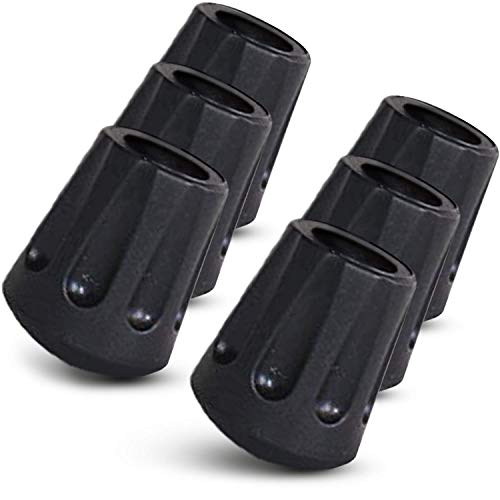
UNIVERSAL: Find your fit, no matter the activity. Our trekking pole tips can be used as a cane tip, or to replace walking stick, ski pole or crutch tips. They have an 11mm (0.43in) diameter that provides a snug fit for most hiking rods.
Ski Feel and Stability Considerations
Understanding ski feel and stability is essential for enhancing the overall skiing experience, as these elements considerably influence performance across various snow conditions and terrains. Rocker profiles contribute distinct performance characteristics; for instance, rockered skis excel in soft snow by offering enhanced floatation and maneuverability, while cambered designs grip hardpack better, ensuring high-speed stability. Design innovations, such as combination camber and rocker profiles, increase versatility, allowing skiers to tackle diverse conditions with confidence. However, more rockered skis may feel twitchy on hard surfaces, demanding greater control. Consequently, evaluating ski choice involves balancing playfulness and stability, ensuring skiers find a model that aligns with their style and environment, fostering a deeper connection to the sport and camaraderie among fellow enthusiasts. Additionally, the right all mountain rocker profiles can significantly enhance a skier’s performance across different terrains.
Frequently Asked Questions
How Do Rocker Profiles Affect Ski Lifespan?
Rocker profiles influence ski lifespan considerably, as they alter rocker durability and enhance profile wear patterns. Proper maintenance and storage can extend longevity, while aggressive skiing and terrain conditions may accelerate wear, necessitating more frequent tuning and repairs.
Do Rocker Profiles Influence Ski Maintenance Needs?
Rocker profiles considerably influence ski maintenance needs, as their design reduces edge contact, leading to less frequent sharpening. Consequently, upkeep is simplified, making rockered skis a popular choice for enthusiasts seeking easier maintenance without compromising performance.
Can Rocker Profiles Impact Skiing Technique Development?
Rocker profiles act as a compass, guiding skiing technique development through enhanced performance adaptability. By simplifying turns and encouraging fluidity, they empower skiers to master varied terrain, fostering confidence and belonging within the skiing community.
How Does Rocker Profile Affect Ski Weight?
Rocker profiles influence ski weight by altering weight distribution, impacting ski balance. Increased rocker often reduces effective edge contact, leading to lighter centers but requiring reinforcements that can increase overall weight, especially in performance-specific designs.
Are There Safety Concerns Related to Rocker Profiles?
Rocker designs can be thrilling like a rollercoaster, yet safety concerns arise. Without adhering to safety standards, skiers may face instability, skidding, or difficulty in control, especially on challenging terrains. Awareness is essential for secure enjoyment.