As an Amazon Associate, we earn from qualifying purchases. Some links on this site are affiliate links at no extra cost to you. Our recommendations are based on thorough research and editorial judgment.


How Does Base Structure Affect Glide in Various Snow Temperatures?

Base structure notably impacts glide by modifying friction dynamics across varying snow temperatures. Finer structures excel in cold, dry conditions by minimizing moisture and reducing dry friction, while coarser structures are better suited for warm, wet snow, effectively managing meltwater and reducing suction. This adaptability enhances overall performance, allowing for smoother glides in diverse environments. Enthusiasts can benefit from tailored structures based on their preferred snow conditions, optimizing their skiing experience. Discover additional insights on selecting the right base for superior glide performance.
Key Takeaways
- Finer base structures improve glide in cold, dry snow by managing moisture and reducing dry friction effectively.
- Coarser base structures enhance glide in warm, wet conditions by minimizing suction and managing water film efficiently.
- Base structures with good designs channel meltwater in warmer temperatures, boosting overall skiing efficiency and performance.
- The effectiveness of a base structure is tested to ensure adaptability to various snow conditions, optimizing skiing experiences.
- Ski performance is significantly affected by the interaction of base structure type and the specific snow temperature encountered.
Understanding Friction and Its Impact on Ski Performance
You may be interested



Friction plays a crucial role in determining the performance of skis on snow, influencing glide efficiency and overall speed, and understanding the interplay of factors such as temperature and ski base material is essential for skiers aiming to enhance their experience on the slopes. The mechanics of friction dictate that at colder temperatures, adhesive bonds create “dry friction,” markedly affecting ski efficiency, as hard bases deform softer snow. Notably, as temperatures rise, frictional heat fosters a water film that reduces plowing friction. Ideal ski performance occurs within a quasi-ideal temperature range, where enhanced glide is achievable. By choosing skis with the right base structure and understanding these friction mechanics, skiers can greatly elevate their enjoyment and performance on the slopes. Moreover, the durability of the ski base material significantly impacts overall skiing experience, as high-quality polyethylene offers resilience and wear resistance.
The Role of Water Film Formation in Glide Efficiency
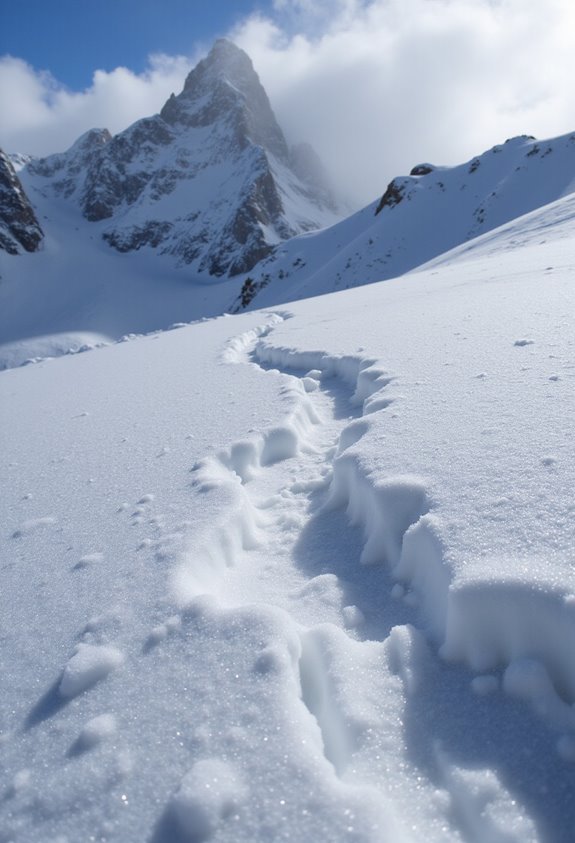
The formation of melt-water films plays a pivotal role in enhancing glide efficiency for skiers, as these thin layers act as natural lubricants beneath the skis. Melt water dynamics are influenced by factors such as ski base hydrophobicity and surface smoothness. When frictional heating or pressure generates these films, they provide critical lubrication that reduces friction, although solid-to-solid contact still occurs. An ideal hydrophobic ski base prevents excessive water adhesion, promoting stable lubrication. For improved glide in various conditions, ski bases with longitudinal structures suit warmer temperatures, while transverse structures excel in colder conditions, effectively thickening the melt-water film. Understanding these dynamics helps skiers select the right equipment for peak performance and enjoyment on the slopes. Additionally, the use of high NRR ratings in protective gear ensures that skiers maintain optimal hearing safety while enjoying their time on the slopes.
Recommended Products

Medium-Coarse Bronze Bristles: opening the base structure and removing hard wax from textured base patterns

SWIX BRUSHES - Are designed for brushing wax out of the structures (base patterns) in ski bases and snowboards after you have scraped. Brushes are also used before waxing to clean and open base for better wax absorption

ESSENTIAL SKI & SNOWBOARD WAX BRUSH: The Swix Oval Nylon Base Brush is a must-have in any ski snowboard tuning equipment setup, designed to remove excess wax and clean base structure for optimal glide and performance.
Temperature Effects on Friction Coefficient

Understanding temperature effects on the friction coefficient is essential for optimizing performance on the slopes, as different temperatures greatly influence the skiing experience. The friction coefficient is lowest around -3°C, benefiting skiers by providing better glide, but increases as temperatures drop or rise from this point, complicating snow conditions. Below -10°C, dry friction mechanisms dominate, resulting in harder snow that can actually improve glide with increased speed. Conversely, near melting conditions introduce a lubricating water film, reducing friction temporarily but increasing it as too much water increases capillary drag. Skiers must stay aware of these friction temperature variations, as choosing the right ski base structure according to prevailing snow conditions can lead to improved performance and enjoyment on the mountain. Additionally, selecting the right liquid ski wax can significantly enhance glide in varying temperatures, allowing for optimal performance on the slopes.
Recommended Products

All-Condition Formula: single liquid wax covers cold, moderate, and warm snow without switching products
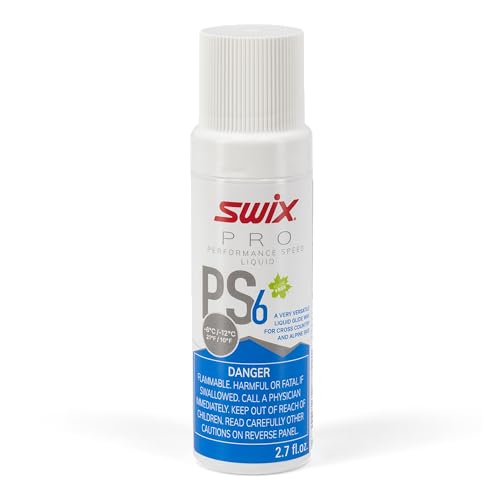
Temperature Range: engineered for moderate-cold snow conditions from -6 to -12 C

All-Condition Formula: single liquid wax covers cold, moderate, and warm snow without switching products
Optimal Base Structures for Different Snow Conditions
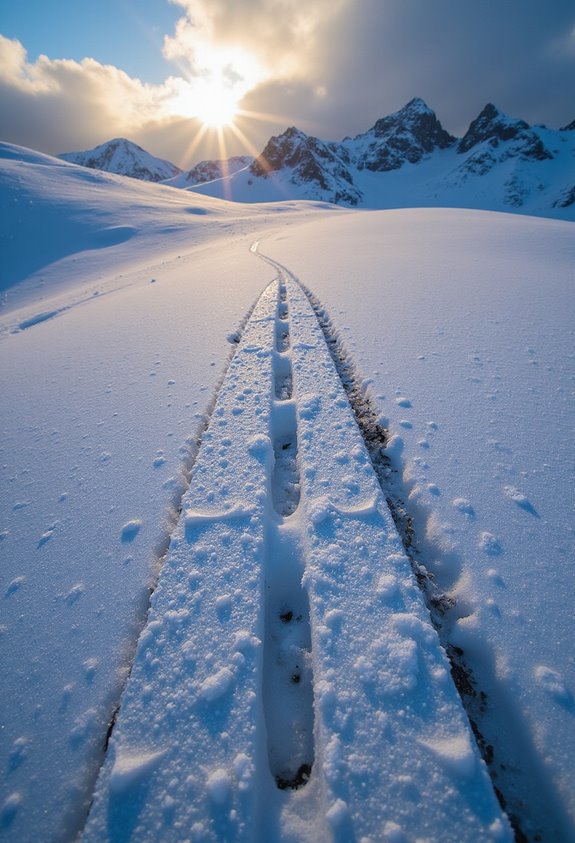
What factors should be considered when selecting ideal base structures for varying snow conditions? The type of base structure greatly influences glide efficiency in diverse snow types. In cold, dry snow, fine groove patterns aid friction management by generating necessary moisture, whereas, in warm, wet conditions, coarse structures effectively reduce suction and enhance moisture handling. Performance testing helps determine the best structure for individual conditions, with hand-applied designs allowing quick adjustments for snow adaptability. For instance, tools like the “-5/-15” are versatile in colder climates, while the “+5/-5 Skra” excels in saturated snow. Selecting the right base structure not only promotes a better skiing experience but also fosters a sense of belonging within the skiing community. Additionally, understanding boar bristle brush benefits can provide insight into how natural materials can enhance performance in various applications.
Recommended Products

SWIX BRUSHES - Are designed for brushing wax out of the structures (base patterns) in ski bases and snowboards after you have scraped. Brushes are also used before waxing to clean and open base for better wax absorption

Wooden Boot Puller : This 13.9x3.7x1.8 inches,Boasts a no bend design for effortless boot removal without bending over. Its U-shaped built in protective cushioning prevents shoe surface damage, delivering full protection for your footwear.

EXTRA FINE STEEL BRISTLES FOR DEEP BASE CLEANING – The Swix Steel Extra Fine Brush is designed with ultra fine steel bristles that penetrate deep into ski and snowboard base structure to remove embedded wax and debris. Ideal as a ski wax brush, snowboard wax brush, and ski snowboard tuning equipment essential.
Speed’s Influence on Friction and Water Dynamics

In skiing, selecting the right equipment extends beyond base structure; speed plays a significant role in influencing friction and the dynamics of water underfoot. The friction dynamics at play reveal that higher speeds generate frictional heat, creating a lubricating water film that reduces drag. This effect is particularly pronounced in colder snow, where static friction can be especially high. However, the relationship between speed effects and friction is nonlinear, influenced by snow properties like density and grain size. Ideal glide occurs when speed balances with load, enhancing meltwater production. Understanding these intricacies allows skiers to maximize glide efficiency, particularly in variable conditions, ensuring an exhilarating experience on the slopes. Choose wisely for the best performance! Additionally, recognizing the importance of core materials in snowboard construction can further enhance glide performance across various snow temperatures.
Surface Material Choices: Polyethylene vs. Metal
When evaluating surface material choices for skis, two leading contenders emerge: polyethylene and metal. Polyethylene, mainly Ultra-High Molecular Weight Polyethylene (UHMW-PE), boasts numerous durability and glide-enhancing features, making it the preferred choice for most enthusiasts. Its hydrophobic properties and wax-absorption capabilities allow for exceptional glide performance, especially in varying snow conditions, while regular polyethylene maintenance improves efficiency. In contrast, metal base advantages include extreme durability, yet they suffer from higher friction and reduced glide due to a lack of wax retention. Additionally, metal’s weight can negatively impact maneuverability. Ultimately, for skiers prioritizing performance and adaptability, polyethylene remains the superior option, harmonizing with a wide array of snow temperatures and conditions. For optimal comfort and protection against cold weather, a high-quality neck gaiter can enhance the overall skiing experience.
Recommended Products

The Neck Gaiter Face Mask That Does It All: From keeping your face protected when you're running errands to blocking snow, sun, wind, and dust off your face. Our face mask gaiter features a 4-way stretch design, Fits head circumference 20–24" (51–61 cm) — perfect as face cover for cold weather, bicycle wind mask, or beanie
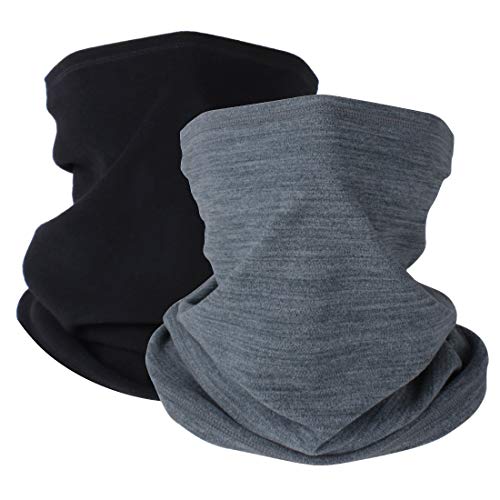
【Soft & Warm Material】The winter neck gaiter is made of polyester 95% and spandex 5% cationic fabric , super soft,comfortable,breathable and warm,perfect for keeping your face, neck, ear and nose from cold, wind
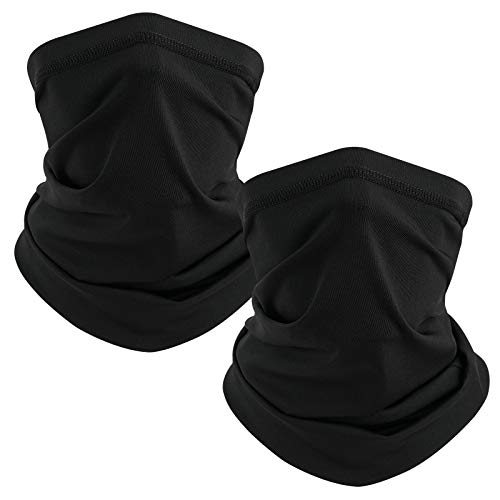
✔️Universal Fit: 16'' X 9.5'' (±0.2in) but stretchable to be universal fit and can be used for different purpose
The Importance of Ski Preparation and Base Treatments
Effective ski preparation and base treatments are vital for achieving peak performance on the slopes, allowing skiers to confidently navigate various snow conditions. Employing the right preparation techniques can greatly impact glide; for instance, coarser structures work well in wet snow, while finer patterns excel in dry conditions. Treatment intervals are essential, as regular and timely maintenance, like stone grinding, can restore ideal base structure, enhancing efficiency. Manual tools, such as rilling bars, empower home tuners to make temporary adjustments, enabling skiers to fine-tune their equipment based on immediate conditions. Ultimately, a well-prepared ski base reduces friction and improves control, contributing to a rewarding skiing experience that fosters a sense of belonging within the skiing community. Additionally, selecting the right ski poles with lightweight construction can further enhance performance by improving balance and reducing fatigue during long runs.
Recommended Products

6 piece ratchet driver, #2 and #3 phillips, #3 pozidrive, 3/32 hex

Steel Scraper: hardened steel edge levels P-Tex repairs and removes heavy base material buildup

PREMIUM WILD BOAR BRISTLES FOR WAX POLISHING: The Swix Oval Wild Boar Base Brush features natural wild boar bristles designed to polish ski and snowboard wax for a smoother, faster glide. Ideal for fluorocarbon and high-performance downhill ski wax applications.
Real-World Considerations for Ski Performance
Real-world considerations for ski performance encompass a range of factors that directly influence how skis respond to varying snow conditions and temperatures. Ski bidding is essential as it determines how effectively a ski can glide; finer base structures excel in cold conditions, countering the dry friction of lower temperatures, while coarser structures thrive in warmer snow by channeling meltwater to reduce suction. Temperature variations impact wax choices as well; hard waxes pair with cold-adapted bases, while softer waxes complement warm structures. Understanding these dynamics allows skiers to optimize their setup for performance, ensuring the right combination of base structure and wax leads to efficient glide, ultimately enhancing the skiing experience. Knowledge fosters belonging, creating a community of well-prepared skiers. Additionally, the choice of construction materials in skis can significantly affect glide performance across different snow temperatures.
Frequently Asked Questions
How Do Environmental Factors Affect Ski Performance Beyond Temperature?
Environmental factors, like snow quality and altitude effects, shape ski performance’s intricate dance. As climates shift, the rhythm of the snow changes, demanding unity among skiers, resorts, and nature for a harmonious winter experience.
What Role Does Humidity Play in Snow Conditions?
Humidity greatly impacts snow texture, altering the density and formation of snowflakes. High humidity fosters softer, wetter snow, enhancing skiing experiences, while low humidity leads to drier, icier conditions, affecting glide and overall performance on the slopes.
Can Ski Base Structure Influence Snow Accumulation on Skis?
A ski base pattern resembles an artful quilt, ingeniously designed to minimize snow retention. As snowflakes clamor for attention, the structure’s finesse charmingly keeps them at bay, ensuring a sleek, uninterrupted glide down the slopes.
How Does the Hardness of Ski Wax Interact With Snow Conditions?
Wax hardness greatly influences glide performance by affecting interaction with snow conditions. Hard wax optimizes speed in cold, dry snow, while soft wax enhances glide in warmer, wetter conditions, ensuring skiers can achieve their best experience.
What Maintenance Tips Enhance Ski Base Performance Long-Term?
Consistent base repair and precise waxing techniques are essential. Without them, performance diminishes. Regular checks and maintenance guarantee ideal glide, helping skiers connect with the snow, fostering a shared passion for the sport and its challenges.


