As an Amazon Associate, we earn from qualifying purchases. Some links on this site are affiliate links at no extra cost to you. Our recommendations are based on thorough research and editorial judgment.

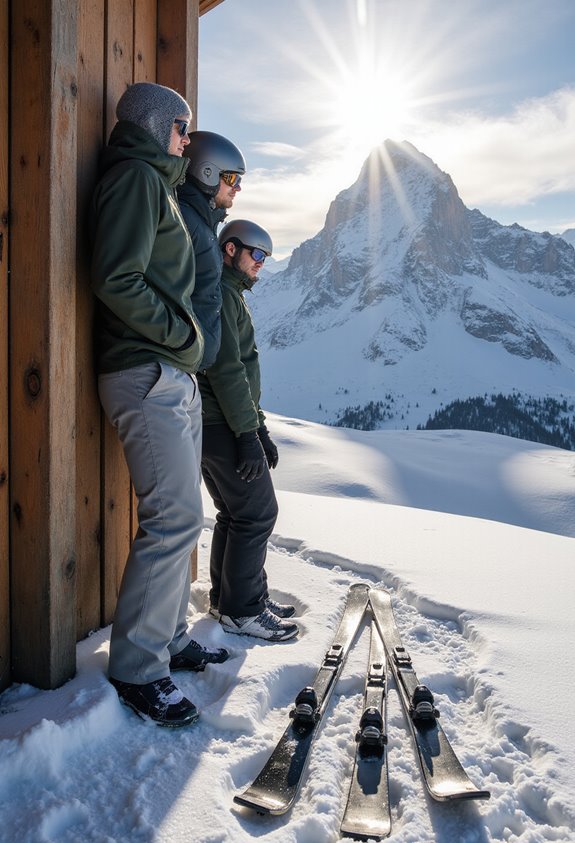
How Do You Layer Clothing for Varying Temperatures Throughout the Day?

Layering clothing for varying temperatures involves three key components: a moisture-wicking base layer, an insulating mid layer, and a protective outer layer. High-performance base layers, like merino wool or synthetic blends, keep skin dry, while mid layers, such as fleece or down, trap warmth. A waterproof outer shell shields against wind and rain. Effective layering allows for adjustments using ventilation features and zippers, ensuring ideal comfort throughout the day. Discover additional strategies to enhance your layering technique in the following sections.
Key Takeaways
- Start with a moisture-wicking base layer to keep skin dry as temperatures fluctuate throughout the day.
- Add an insulating mid layer that can easily be adjusted for warmth and breathability.
- Choose an outer layer that’s windproof and waterproof to protect against changing weather conditions.
- Utilize ventilation features like zippers to manage temperature during physical activities.
- Incorporate accessories, such as hats and gloves, to retain warmth and adapt to temperature changes effectively.
Understanding the Key Layering Structure
You may be interested


Layering clothing effectively for varying temperatures requires a thoughtful understanding of the key layering structure, as this approach provides exceptional comfort and versatility in diverse weather conditions. The foundation of effective layering techniques consists of three essential layers: the base, middle, and outer layers. The base layer focuses on moisture-wicking to keep skin dry, while the middle layer centers on insulation to trap warmth. Finally, the outer layer acts as a protective barrier against wind and rain, promoting temperature regulation. Each layer serves a unique purpose, working harmoniously to manage microclimates and enhance comfort during varying activities. When chosen thoughtfully, these components allow for seamless interchangeability, enabling users to adjust their clothing according to changing temperatures and personal preferences. Additionally, understanding rocker profiles can help skiers select clothing that complements their gear for optimal performance in varying conditions.
Selecting the Right Base Layer
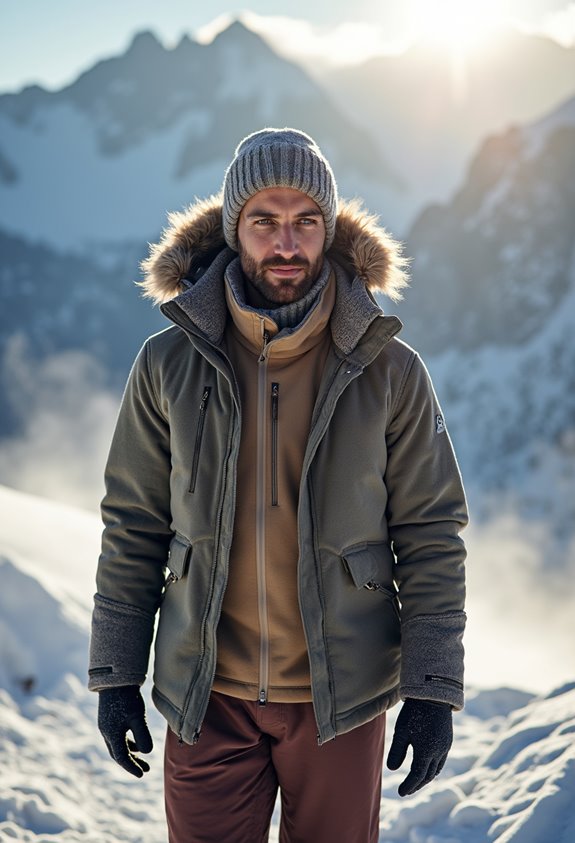
When temperatures fall below a comfortable threshold, choosing the right base layer can greatly impact warmth and overall performance during outdoor activities. Essential base layer materials include merino wool, which offers excellent moisture management and temperature regulation, making it perfect for cool conditions. Synthetics like polyester and nylon are lightweight and quick-drying, ideal for high-intensity activities due to superior sweat management. Blends, including wool/synthetic combinations, enhance breathability and odor resistance. Avoid cotton; its moisture retention can lead to chilling. Opt for tight-fitting layers that promote moisture wicking while allowing freedom of movement. Seam placement and technical features, such as mesh panels, can improve airflow during fluctuations in temperature, ensuring comfort in diverse conditions. Additionally, considering eco-friendly options can help reduce environmental impact while maintaining performance.
Recommended Products

RESPONSIBLY SOURCED 100% Virgin Merino wool

MIDWEIGHT 100% MERINO WOOL base layer ideal for cold weather activities

Our warm, high-performance LIFA Merino midlayer combines light, wicking LIFA fibers with a soft merino wool exterior.
Characteristics of Effective Mid Layers

Mid layers play a crucial role in a layering system, as they are designed to trap heat while allowing moisture to escape, which is essential for maintaining comfort during outdoor activities. Effective mid layers utilize insulating materials such as fleece, wool, and synthetic fabrics, each offering varying degrees of warmth and breathability. Fleece, for instance, dries quickly and retains warmth when damp, while synthetic insulation excels in wet conditions. Breathable fabrics enhance moisture management, enabling sweat vapor to disperse and preventing clamminess. A snug, athletic fit allows for unrestricted movement, while features like quarter zippers and thumb loops add practicality. Versatile mid layers adapt easily to temperature fluctuations, making them indispensable for diverse conditions and providing wearers with a sense of belonging in their outdoor adventures. Additionally, selecting the right mid layer can enhance your overall experience on the slopes, especially when paired with high-rated snowboards.
Recommended Products
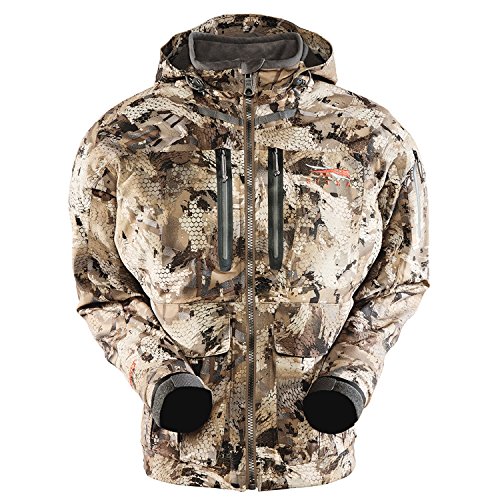
SCULPTED HOOD FOR VISIBILITY - The fully adjustable hood rotates and swivels with you, offering complete weather protection without impeding your vision

Utilizing GORE-TEX stretch technology in key areas that typically inhibit movement, the Hudson Bib keeps you absolutely dry while also providing the unencumbered range of motion necessary to get into and out of blinds or deep cover. Body-mapped brushed flannel and micro-grid fleece keep you warm in frigid temps while also breathing well for optimal comfort even when you’re working up a sweat. A reinforced seat and puncture-resistant knees take the abuse of waterfowl season.

Fair Trade Certified: We proudly produce one of the best winter jackets for men in a Fair Trade Certified facility. Building worker well-being into our product DNA.
Benefits of a Reliable Outer Layer

A reliable outer layer serves as the first line of defense against the elements, ensuring that enthusiasts can fully enjoy their outdoor adventures without succumbing to discomfort caused by wind, rain, or snow. These layers excel in moisture management, using breathable materials that allow sweat to escape, keeping the wearer dry and warm. High-quality waterproof jackets effectively shield against harsh conditions while maintaining temperature regulation through advanced designs that trap warmth without bulk. Features like ventilation zippers provide real-time adjustments, accommodating varying activity levels. Additionally, durable outer layers remain effective after multiple uses, with water-repellent finishes that help withstand wet environments. The versatility of these products enhances adaptability, making them essential for anyone looking to embrace outdoor experiences confidently. Waterproof features are crucial for retaining warmth during wet weather conditions.
Recommended Products

Built with premium GORE‑TEX 3‑Layer Pro shell, this jacket delivers unmatched waterproofing, breathability, and long‑term durability. Reinforced with custom variable‑density Superfabric and Vectran Fiber for superior abrasion, cut resistance, and long‑lasting performance on any adventure.

Material: Made with core cotton/nylon fabric, this Jacket is extra warm, breathable & durable. Featuring down-fill insulation (80/20 duck down loft)& fur-trimmed hood, you will not have to worry about the cold.

Durable recycled polyamide with a waterproof and breathable Hydratic lining.
Managing Temperature Through Layering Adjustments
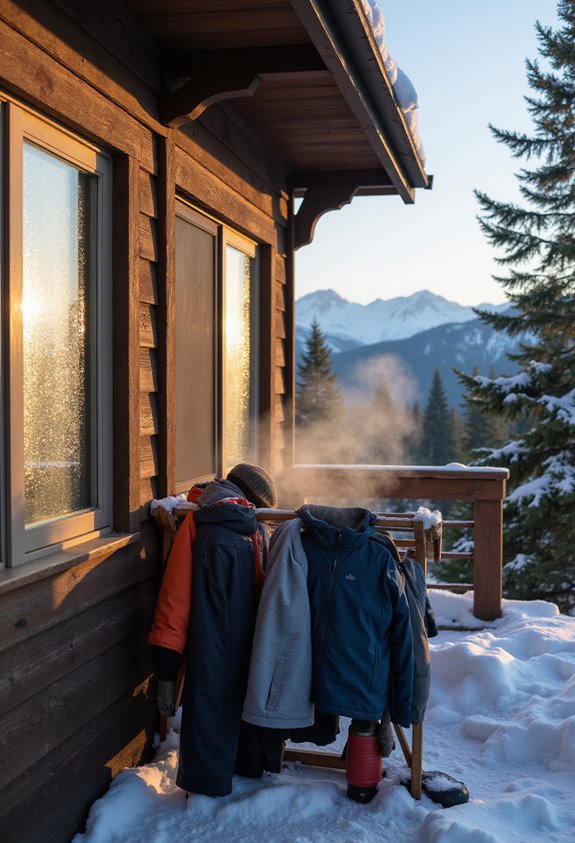
Layering effectively not only enhances comfort but also fundamentally supports performance during outdoor activities, especially in fluctuating temperatures. Utilizing dynamic adjustments such as opening chest zippers or using pit zips enables gradual airflow, allowing for efficient temperature regulation without shedding layers completely. Rolling sleeves up exposes wrists, inviting cooling through pulse points while maintaining necessary insulation. When engaging in high-intensity activities, loosening layers or switching to lighter accessories like gloves or headgear helps manage excessive sweat. Additionally, wearing gloves with integrated insulation ensures that your hands remain warm while you adjust your layers. By strategically employing ventilation features and being mindful of fabric choices, individuals can adapt their outfits to match activity levels, ensuring peak moisture management and thermal stability. This proactive approach to layering elevates the overall outdoor experience while fostering a sense of belonging within the adventuring community.
Addressing Heat Loss Mechanisms in Layering
Understanding the mechanisms of heat loss in clothing layers is vital for outdoor enthusiasts seeking peak performance in varying temperatures. Effective radiative insulation can be achieved with materials that provide radiant reflection, greatly reducing heat loss. To combat convective heat loss, layering strategies should integrate windbreakers that serve as convective barriers, preserving warmth by trapping still air. For conductive resistance, selecting clothing that minimizes direct contact with cold surfaces is essential, emphasizing dry layers that enhance heat retention due to low thermal conductivity. Managing moisture evaporation is equally important, as fabrics with superior clothing permeability facilitate vapor release, thereby balancing thermal dynamics. Ultimately, an optimized layering system supports thermal balance, ensuring users enjoy maximum comfort during diverse outdoor adventures. Additionally, incorporating gloves with 3M Thinsulate insulation can significantly enhance warmth retention in extreme temperatures.
Layering Strategies for Variable Weather Conditions
Shifting through variable weather conditions requires a well-structured layering strategy that accommodates both changing temperatures and activity levels. To navigate temperature fluctuations, individuals should dismiss layering myths, such as the belief that heavy clothing is always necessary. Instead, a three-layer system consisting of a moisture-wicking base layer, insulating mid-layer, and waterproof outer shell serves best. The mid-layer can be easily added or removed based on exertion levels; lightweight, breathable fabrics work wonders in managing sweat during high activity, while thicker options offer warmth when needed. Accessories like lightweight gloves and adjustable hats complement this system, helping maintain comfort throughout the day. Ultimately, a well-crafted layering approach guarantees enjoyable experiences, whether pursuing outdoor adventures or leisurely strolls. Incorporating quality materials such as fleece or Merino wool in your layering system can significantly enhance warmth and comfort.
Recommended Products

Our regular fit is intended to help give you room to move without additional bulk

Italian quality – the thermal underwear UltramaxCELL consists of 100% Italian yarn Dryarn.

Classic Fit - A tailored cut inspired by sport ski style
Seasonal Layering Considerations
As temperatures fluctuate throughout the seasons, effective seasonal layering becomes fundamental for ideal comfort and performance during outdoor activities. Autumn adjustments often require additional layering, as unpredictable weather encourages the use of versatile garments with zippers or buttons for easy temperature management. Moisture-wicking base layers, combined with thicker fleece or wool mid-layers, retain warmth without bulk, pivotal for chilly breezes. In winter, the significance of thermal undergarments cannot be overstated; long-sleeved base layers and down jackets provide essential insulation. Water-resistant outerwear is critical for staying dry against the elements, while hats and gloves are indispensable for maximizing winter warmth. This adaptable approach guarantees that individuals remain comfortable and ready for whatever the season brings. Additionally, incorporating merino wool balaclavas into your winter attire can significantly enhance warmth and comfort in extreme temperatures.
Tips for Optimizing Layering for Outdoor Activities
Enhancing layering for outdoor activities requires thoughtful selection of clothing that accommodates the dynamic nature of temperature and sweat management. The base layer should feature moisture-wicking materials, such as synthetic fabrics or merino wool, ensuring sweat does not irritate the skin and allowing freedom of movement. For the mid layer, fleece or lightweight down offers superb insulation and can be adjusted as required; layering multiple thin options enhances adaptability. The outer layer must be windproof and waterproof, ideally with ventilation features like pit zips, to maximize comfort. Essential accessories, such as hats and gloves, retain warmth at extremities. High-performance insulation is crucial for maintaining warmth during cold-weather activities. Monitoring activity levels and adapting layers maintains peak performance while enjoying outdoor pursuits.
Recommended Products


X-BIONIC INVENT 4.0 compression base layer: your feel-good light compression shirt for every sport. This functional active next to skin wear is extremely adaptable and kind to the skin. And the moisture management of this sports underwear optimally supports your performance

Warm, dry and the best protection, especially in winter: Long-sleeved shirt made of pleasantly soft material without a pattern protects against cooling down even in cold weather and keeps you particularly warm
Frequently Asked Questions
How Do I Determine My Ideal Layering Thickness?
To determine ideal layering thickness, one must consider temperature regulation and personal preferences. Observing how certain materials and fits affect comfort during activities helps create a tailored approach, fostering a sense of belonging in outdoor communities.
Can I Mix Different Fabric Materials in Layers?
Mixing different fabric materials in layers is a delightful way to enhance style and comfort. Thoughtful fabric combinations improve moisture management, ensuring that each layer dances together, creating a harmonious outfit that feels like a warm embrace.
What’s the Best Way to Store Layering Clothing?
The best way to store layering clothing involves utilizing efficient storage solutions, such as vertical folding and rolling, ensuring organized layering organization. This method maximizes space while preserving garment shape and enhancing accessibility for stylish outfits.
How Do I Clean and Maintain My Layered Clothing?
Cleverly curated cleaning techniques and fabric care foster fabric longevity. Adhere to care labels, avoid harsh chemicals, use gentle detergents, and embrace air drying to maintain the integrity and vibrant appeal of cherished layered clothing.
Are There Specific Brands Known for Layering Systems?
Numerous base layer brands, such as Smartwool and Arc’teryx, offer diverse insulation options. Enthusiasts universally appreciate Patagonia and Outdoor Research for versatile layering systems, fostering a sense of community among those who prioritize performance and comfort.


