As an Amazon Associate, we earn from qualifying purchases. Some links on this site are affiliate links at no extra cost to you. Our recommendations are based on thorough research and editorial judgment.


What Maintenance Tasks Extend the Lifespan of Your Skis?

To extend the lifespan of skis, regular maintenance tasks are essential. Frequent waxing enhances speed and protects against moisture, while edge sharpening guarantees solid control on hard surfaces. Base repair, through P-Tex application and grinding, smooths imperfections and improves glide. Proper cleaning with microfiber cloths prevents rust, and correct storage in controlled environments protects the ski core. By implementing these practices, enthusiasts can greatly enhance performance and durability. Further insights can provide a complete maintenance strategy for your skis.
Key Takeaways
- Regularly wax skis to enhance glide and protect against moisture, extending their durability and performance on snow.
- Inspect and sharpen edges frequently to maintain control and prevent deterioration from wear and exposure.
- Perform base repairs using P-Tex to fill gouges and scratches, preventing serious damage to the ski core.
- Clean skis after each use to remove debris and prevent rust, especially on edges and bases, ensuring longevity.
- Store skis in a cool, dry place, loosely clipped and protected with storage wax to avoid deformation and corrosion.
Regular Waxing Practices
You may be interested



Regular waxing practices are essential for any skier looking to enhance performance and prolong the life of their skis. Waxing frequency plays a critical role, with beginners typically needing to wax every 4–6 ski days, while experienced skiers may find every 3–5 days ideal. High-use scenarios, such as racing or aggressive carving, necessitate even more frequent applications. Utilizing the right waxing tools can optimize results; a hot wax iron guarantees even application, while a plastic scraper and brush enhance glide and performance. Wax not only improves speed and control but also protects against UV rays and moisture. By committing to consistent waxing, skiers can greatly increase durability and maintain exceptional glide across various snow conditions. Additionally, choosing the right wax type based on temperature can significantly impact the performance and longevity of your skis.
Recommended Products

[Cleaning Kit] We have a complete waxing kit, including cleaning tools, which contain sand paper (for polishing the edge), fibertex pad, metal scraper, wax scraper (230mm/9.06inch length), Nylon/Brass/Horsehair Brush and wax apron at work

⛷️Complete Ski Wax Kit : Included everything you needed for a Ski/ snowboard tune & Wax. (1* Base Wax Remover, 1* Polish Pad, 1* Bastard File, 1* Edge Tuner (86°, 87°, 88°, 89°), 1* Small Wire Brush, 1* 130g All Temperature Wax, 2* PTEX Repair Candles (Black&White), 1* Wax Iron, 1* Wax Scraper, 1* Nylon Brush, 2* Brake Retainers, 1* Storage Bag)

【SKIFAVS SKI BASIC KIT】 The ski & snowboard tuning equipment contains wax, iron, p-tex, brush, edge tuner, etc. A total of 16 items to repair, clean, wax and tune your skis, keeping them in top condition and saving you time and money! All the tools are packed in a compact and lightweight storage bag, providing great convenience for travel!
Edge Sharpening and Maintenance Techniques

While many skiers might overlook edge maintenance, the sharpness and condition of ski edges are critical for performance, especially on hard-packed and icy surfaces. Regular edge inspection is essential to identify dullness, burrs, or rust that can impact control. Skiers can check sharpness by dragging a fingernail across the edge, while running a towel along the edge helps detect rough spots needing burr removal. For effective maintenance, a variety of tools such as base edge guides and diamond stones are necessary. Gummi stones efficiently eliminate small burrs, ensuring a smooth finish without compromising edge integrity. Ultimately, consistent attention to ski edges not only enhances performance but also extends the lifespan of the equipment, resulting in more enjoyable skiing experiences. To maximize this effect, consider regularly assessing ski boot fit to complement your edge maintenance efforts.
Recommended Products

Size: Side Edge Tuner (89°/88°/87°/86''),good for base edge tuner 0.5° and 1°, size 4*2.5*2 in Diamond File 240Grit size 2.75*1*0.2 in Diamond File 500Grit size 2.75*1*0.2 in Diamond File 1000Grit size 2.75*1*0.2 in Rubber Abrasive Block size 2*1.6*0.8 in

PRECISE FILE GUIDANCE: Roller bearings in the Toko Edge Tuner PRO ensure highly accurate and base-friendly filing, enhancing precision and protecting your ski & snowboard edges from damage.

XCMAN Complete Side Edge Sharpener Care Tuner Kit Includes Everything you need to professionally sharpen ski and snowboard edges.
Base Repair and Grinding Essentials

Base repair and grinding are vital elements in preserving the integrity and performance of skis, ensuring they glide smoothly over snow while maximizing longevity. Regular base repair prevents water and dirt from penetrating the ski core, averting serious damage. Skillful application of P-Tex fills gouges and scratches, restoring a smooth surface. Employing grinding techniques removes worn material, enhancing glide and facilitating better wax absorption. Professional base grinding optimizes structure, aligning edges and maintaining flatness for consistent snow contact. While DIY repairs can address minor issues, complex base grinding typically requires specialized equipment. By understanding these essential processes, skiers can actively contribute to the durability and performance of their skis, fostering a deeper connection to the sport and their equipment. Additionally, utilizing tuning benches with stability can greatly enhance the effectiveness of these maintenance tasks.
Recommended Products

Includes 12 pcs 8" ø 6mm P-Tex repair candles (6 pcs Black + 6 pcs Clear) - Black for black bases and Clear for white or colored bases.
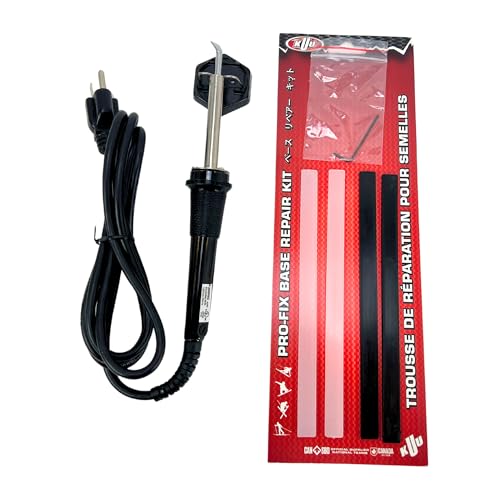
COMPLETE P-TEX BASE REPAIR SYSTEM: The KUU Pro-Fix Base Repair Kit includes everything needed to perform professional-quality ski and snowboard base repairs. Featuring a dedicated P-Tex repair iron and four Slick Sticks (2 black and 2 clear), this kit is ideal for repairing scratches, gouges, and damaged bases while restoring smooth performance.

All in One Ski Snowboard Repair Kit Includes 5 premium 7" (6mm) P-TEX rods (3 black + 2 clear), stainless steel scraper, and structured sandpaper for DIY ski repair snowboard base repair.
Proper Cleaning and Drying Methods

Maintaining the cleanliness and dryness of skis is essential for ideal performance and longevity, as dirt and moisture can greatly impact their functionality. Employing effective ski cleaning methods, such as using a soft microfiber cloth to remove debris after each use, protects against corrosion. Special attention should be given to the edges and base, especially following wet conditions, to prevent rust form. When it comes to drying techniques, air drying in a clean, ventilated space is fundamental—turn gear inside out to guarantee thorough drying. Avoid exposing skis to direct sunlight or intense heat, which can warp materials. By adhering to these practices, skiers can extend the lifespan of their equipment, enjoying superior performance on the slopes. Additionally, using eco-friendly cleaners can help efficiently remove old wax and grime while minimizing environmental impact.
Recommended Products

2-in-1 Wash + Shine Formula (32oz) – Cuts through grime, salt, scum, and stains while leaving behind a streak-free, glossy finish. Won’t strip wax. Bubble gum scented.

ALL-IN-ONE BOAT & PWC CLEANING KIT: This boat cleaning kit includes the Captain’s Musket Foam Gun, salt wash, engine flush, anti-rust spray, and pro tools. Everything you need to clean, protect, and maintain boats, jet skis, and watercraft!

Ski snowboard waxing and tuning tools kit,include training ski wax, ski waxing scraper,nylon brush,horsehiar brush,brass brush,PTEX,coarse metal file,a nice rigid bag.Top zipped wide open mouth for easy approaching tools.
Correct Storage Practices for Longevity

Proper storage practices contribute greatly to the longevity of skis, ensuring they remain in peak condition for many seasons on the slopes. To achieve this, skiers should prioritize correct positioning by storing skis off the ground and either loosely clipped or separated to maintain their natural camber. In addition, humidity control is essential; keeping skis in a cool, dry place away from extreme temperatures and moisture prevents rust and mildew damage. Utilizing padded ski straps and applying storage wax also protects against deterioration. Regularly inspecting for deformation during long-term storage is crucial for performance assurance. For the best results, a climate-controlled environment is recommended, as it minimizes temperature fluctuations, safeguarding the ski core and enhancing overall durability. Additionally, incorporating proper repair techniques can help address any minor damages that may occur during the ski season, further extending the lifespan of your equipment.
Recommended Products

Holds 10 Pairs of Skis - This ski storage rack has capacity for 10 pairs of skis on 32-inch rails with 5 adjustable 11-inch hooks. Customizable hook spacing fits skis of various sizes.

HASSLE-FREE STORAGE RACK: Keep your winter gear neatly organized and declutter your space; The rack holds 2 pairs of skis or 1 snowboard (50 lb total weight limit)
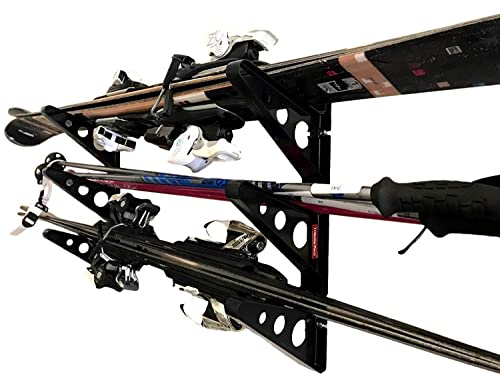
Horizontal Ski Storage Rack – Keep your ski gear organized with this horizontal ski wall mount that lifts skis and poles off the ground to free floor space. Ideal for garage wall shelving, wall storage, and garage organizers and storage, it functions as a reliable ski rack and snowboard rack.
Frequently Asked Questions
How Often Should I Replace My Skis Entirely?
Most skis are replaced every five to eight years, depending on usage. Replacement criteria include skiing frequency, style, and visible damage, all essential factors affecting ski lifespan and overall performance on the slopes.
Can I Wax My Skis Without Professional Help?
Yes, DIY waxing is feasible and promotes effective ski maintenance. With essential tools and proper technique, individuals can enhance their skills, enjoying a sense of belonging within the skiing community while actively caring for their equipment.
What Tools Do I Need for Ski Maintenance?
In the world of ski tuning, essential tools abound: a workbench, edge bevel tools, and wax irons create a symphony. With these instruments, enthusiasts nurture their skis, fostering a deeper connection to the snow-covered mountains.
How Much Does Professional Ski Tuning Cost?
Professional ski tuning costs typically range from $30 to $145, influenced by service type and tuning frequency. Enthusiasts often prioritize regular maintenance, as it enhances performance and fosters belonging within the ski community.
What Signs Indicate My Skis Need Immediate Attention?
Signs that indicate skis need immediate attention include reduced performance, rough edges, or visible gouges. Following maintenance tips helps preserve ski performance, ensuring safety and enjoyment on the slopes for those who share a passion for skiing.


