As an Amazon Associate, we earn from qualifying purchases. Some links on this site are affiliate links at no extra cost to you. Our recommendations are based on thorough research and editorial judgment.


How Do Heated Gloves Compare to Traditional Insulated Options?

Heated gloves employ advanced materials like carbon-fiber and adjustable heat settings, providing tailored warmth effective in extreme conditions, superior to traditional insulated gloves that rely on passive materials like Thinsulate. Despite potential dexterity trade-offs, the added warmth and features such as waterproof membranes enhance usability across activities like skiing and hiking. Furthermore, maintenance of battery life is essential for longevity, making heated gloves a strong contender. Explore further to uncover key differences and benefits.
Key Takeaways
- Heated gloves use carbon-fiber or graphene for consistent warmth, while traditional gloves rely on materials like Thinsulate for passive insulation.
- Heated gloves may compromise dexterity due to added warmth equipment, whereas traditional gloves often allow for better flexibility.
- Durability and weather resistance in heated gloves are enhanced with materials like leather and waterproof membranes, offering superior protection.
- Heated gloves offer versatility across activities like skiing and hiking, as they feature adjustable heating levels for different conditions.
- Maintenance of battery life in heated gloves is essential for longevity, while traditional gloves typically only require basic care for upkeep.
Insulation and Warmth
You may be interested



When considering the warmth and insulation qualities of heated gloves versus traditional insulated options, it becomes clear that both types have unique advantages tailored to different user needs and conditions. Heated gloves excel in heat distribution, using advanced material types like carbon-fiber or graphene to deliver consistent warmth across hands, especially in sub-zero temperatures. With multiple heat settings, users can easily adjust warmth levels for peak comfort. Conversely, traditional insulated gloves utilize materials like Thinsulate and fleece to retain body heat passively, making them lightweight and battery-free. However, they may struggle in extreme cold. Consequently, while heated gloves guarantee performance in harsh climates, traditional options offer comfort in milder conditions, making the choice depend on individual lifestyle needs and environmental factors. Additionally, heated gloves often feature adjustable heating settings that allow users to customize their warmth based on the conditions they face.
Dexterity and Fit

Dexterity and fit are vital considerations when selecting gloves for outdoor activities, especially skiing or snowboarding, where precise hand movements are essential. Heated gloves often sacrifice some dexterity for warmth, as their heating elements and battery placements can lead to bulkiness. While these gloves maintain adequate finger movement and grip strength, traditional insulated gloves made from flexible materials like leather offer superior dexterity, allowing for tasks that require fine motor skills without compromising warmth. For ideal performance, it’s imperative to select gloves that fit snugly; a well-fitting pair enhances comfort and prevents numbness. Adjustable features in both styles can aid in achieving a personalized fit, ensuring users enjoy both warmth and maneuverability. Additionally, high-quality thermal fabrics contribute to better insulation and retained warmth, making them a critical factor in glove selection.
Durability and Weather Resistance

Durability and weather resistance are central to the performance of both heated gloves and traditional insulated options, with each offering distinct advantages that cater to varying outdoor conditions. Heated gloves often feature robust materials like leather and reinforced palms, supporting a strong durability assessment. Their waterproof membranes, such as Gore-Tex, provide superior moisture resistance, keeping fingers warm and dry during damp endeavors. In contrast, traditional insulated gloves can degrade over time, losing their insulating properties, especially when wet. While heated gloves maintain warmth actively, they require battery maintenance, which can influence longevity. Overall, heated gloves present a strong case for durability and weather resilience, making them a compelling choice for enthusiasts seeking reliable performance in harsh environments. Additionally, many heated gloves are made from durable materials that enhance their lifespan and functionality.
Versatility and Use Cases

Versatility in outdoor gear is essential for enthusiasts looking to maximize their comfort and performance in varying conditions, and this is where heated gloves shine compared to traditional insulated options. Heated gloves offer remarkable activity adaptability, making them ideal for skiing, hiking, cycling, and other cold-weather pursuits. With adjustable heating levels and slim designs, they provide customizable warmth and dexterity, enhancing outdoor performance across varied environments. Traditional insulated gloves typically cater to specific activities, limiting their usability. However, heated liners paired with outer gloves allow users to layer for changing conditions, ensuring comfort regardless of the weather. By incorporating advanced materials and technologies, heated gloves empower outdoor enthusiasts to embrace challenging conditions with confidence, outperforming standard options considerably. Additionally, the battery life of heated gloves can be tailored to suit different activities, ensuring lasting warmth throughout the day.
Recommended Products

Enhanced Grip & Flexibility for Active Use: Venustas heated gloves are crafted with 4-way stretch windproof fabric for flexibility and durability, while soft goatskin on the...
Comfort and Maintenance

When maneuvering the extremes of winter sports, comfort and maintenance of heated gloves become paramount, especially given their unique design features. Many users report high satisfaction levels due to effective insulation created by built-in heating elements, which outperform traditional gloves in extreme cold. However, the added bulk from battery packs might affect dexterity for select activities. Proper maintenance, such as utilizing removable and washable liners, is crucial for longevity, with most heated gloves flaunting impressive durability against wear. Advanced materials like Gore-Tex guarantee moisture resistance, while adjustable fits allow for tailored comfort. Additionally, hearing about user experiences with temperature control settings reinforces the notion that these gloves can provide not only warmth but also adaptability to various winter conditions. Furthermore, the battery life and heating duration of heated gloves can significantly influence their usability during extensive outdoor activities.
Cost and Value
Several factors contribute to the cost and value of heated gloves compared to traditional insulated options, making it essential for consumers to weigh both upfront investment and long-term benefits. Heated gloves range from $90 to $300, markedly more expensive than traditional insulated gloves, which typically cost between $40 and $100. Despite the higher initial purchase affordability, heated gloves can be a long-term investment due to their reusability across multiple seasons, offering adjustable heat levels for enhanced comfort. In contrast, traditional gloves may require frequent replacements, incurring additional costs over time. For users in extreme conditions, heated gloves often prove more effective, although they come with battery maintenance responsibilities. Ultimately, the choice depends on unique needs, preferences, and usage frequency. Additionally, waterproof gloves are essential for maintaining comfort during cold weather conditions, further influencing the decision-making process when selecting the right gloves.
Recommended Products

WINTER ESSENTIAL & PERFECT GIFT IDEA The companion you can't go without in winter adventures! With 15 vibrant colors and 6 sizes to choose from, these gloves are the ideal Christmas or Birthday gift for family and friends. IMPORTANT SIZING NOTE: Please measure your hand circumference and refer to our size chart before ordering. If you are between sizes, we recommend choosing one size LARGER for a comfortable fit.
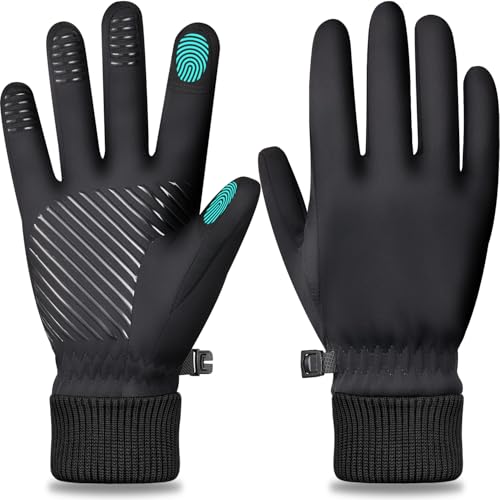
Soft and warm fleece liner: These men's and women's winter gloves feature a comfortable fleece liner for warmth and comfort in cold weather, added 100g of cotton insulation, ensuring a warmth and protection

【3M Thinsulate Insulation】200 gram 3M insulation provides extra warmth and continues to insulate even in wet environment,it traps body heat efficiently and provides twice the warmth of other type gloves,highly breathable and moisture-wicking. Suitable for all kinds cold winter conditions. It provides comfort and keep heat in and snow out, provides reliable weather protection from cold elements.
Final Thoughts
As winter sports enthusiasts evaluate their options, the decision between heated gloves and traditional insulated models hinges on individual needs and specific conditions, given the remarkable advancements made in both categories. Heated gloves, with their ability to actively generate warmth and enhanced safety features like overheating protection, excel in extreme cold, providing consistent comfort even for those with circulation issues. However, users must consider battery life, as frequent charging may be necessary for prolonged use in harsh environments. In contrast, traditional insulated gloves offer superior dexterity and ease of use, requiring no power source. Ultimately, the choice comes down to prioritizing warmth versus flexibility, ensuring every adventurer can find the perfect glove for their winter pursuits. Additionally, it is important to consider insulation materials when selecting gloves, as this can significantly impact warmth and comfort.
Frequently Asked Questions
How Long Do Heated Gloves Typically Last on a Single Charge?
Heated gloves typically offer a battery lifespan of 6 to 10 hours on a full charge, which often varies by heat settings. Their charge duration can greatly affect comfort, fostering a sense of warmth and connection.
Can Heated Gloves Be Used in Wet Conditions?
Heated gloves can indeed be used in wet conditions, particularly when designed with water resistance and robust moisture management features. Proper maintenance and care enhance their durability, ensuring efficient performance during outdoor activities.
Are Heated Gloves Safe for All Users?
Heated gloves, akin to a warm embrace, offer varied user experiences. While they include safety features, caution remains essential. Not all users, especially those with sensitivity issues, may find them universally safe.
How Do I Clean and Care for Heated Gloves?
To clean and care for heated gloves, hand wash gently with mild detergents, avoid submersion, air dry, and inspect for frayed wires. Follow maintenance tips like checking battery contacts to guarantee safety and performance.
Can Heated Gloves Be Customized for Different Temperature Settings?
Heated gloves, ironically designed for maximum comfort, often feature advanced temperature control settings tailored to user preferences. This customization guarantees warmth for every occasion, creating a sense of belonging even in the coldest environments.


