As an Amazon Associate, we earn from qualifying purchases. Some links on this site are affiliate links at no extra cost to you. Our recommendations are based on thorough research and editorial judgment.


What Are the Differences Between Hot Waxing and Rub-On Wax Application?

Hot waxing and rub-on waxing are two distinct ski wax application methods. Hot waxing uses a waxing iron and solid wax for deep base penetration, offering superior glide and lasting durability. In contrast, rub-on wax provides a quick, surface-level application that is more convenient but less durable. While hot waxing can cost $15 to $20 and requires more effort, rub-on wax ranges from $35 to $70 per use, appealing for quick fixes. Exploring options reveals more about their performance advantages.
Key Takeaways
- Hot waxing penetrates the ski base for superior glide and durability, while rub-on wax only coats the surface.
- Rub-on waxing is quick and convenient, taking less than five minutes, whereas hot waxing is labor-intensive and requires special tools.
- Hot wax is more effective for long-term performance, lasting for multiple rides, compared to rub-on wax which may last only 2-3 rides.
- Hot waxing can improve speed and glide efficiency based on snow conditions, while rub-on wax offers a temporary solution.
- Rub-on wax is eco-friendly and energy-efficient, while hot waxing consumes more energy and emits harmful fumes.
Wax Composition and Formulation
You may be interested


When it comes to selecting the right ski wax, understanding the nuances of wax composition and formulation can greatly impact performance on the slopes. Hot wax typically utilizes paraffin-based hydrocarbons, which penetrate deeply into ski bases, enhancing durability and creating a hydrophobic barrier. In contrast, rub-on waxes, available as liquids or bars, primarily coat the surface and are less efficient at base penetration. Importantly, hot wax formulations often feature higher fluorocarbon content, providing substantial water repellency, while rub-on variants are generally lower in this regard for ease of application and cost-effectiveness. Consequently, skiers looking for enduring performance should gravitate towards specialized hot wax options, while those prioritizing convenience might find rub-on waxes suitable for casual outings. Additionally, many premium wax options are designed to enhance speed according to snow conditions, making them a worthwhile investment for serious enthusiasts.
Recommended Products

RaceWax Diamond Ski Snowboard Wax Tuning Kit. Everything you need to get started waxing and tuning your own skis and snowboards! Great edge tools, quality wax iron, full-size wax brush, and more!
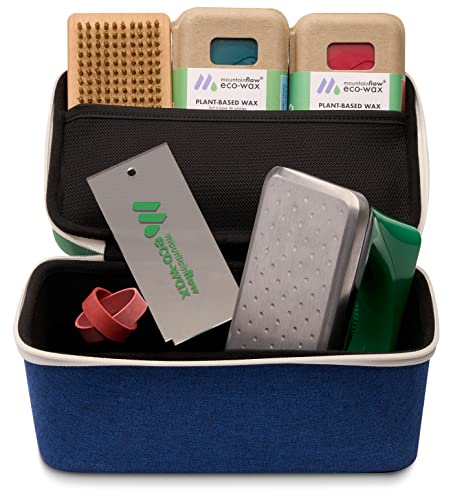
WAX IRON: Thick base plate to maintain consistent temperature and a dimpled surface for even wax distribution and smooth float during application.
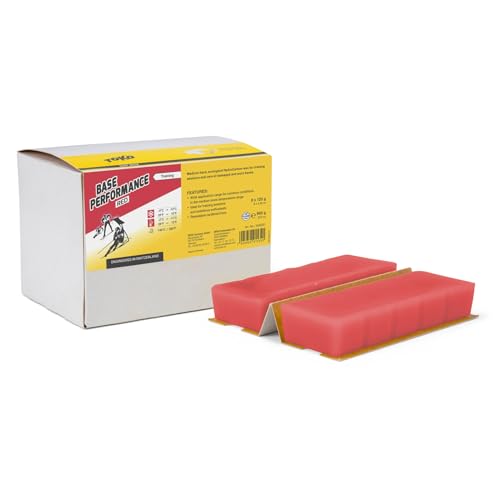
PFC-FREE SWISS TECHNOLOGY: Advanced formula for enhanced performance with biodegradable ingredients, ideal for eco-conscious users.
Application Method

The application method plays a significant role in how effectively ski wax enhances performance on the slopes, as each approach offers distinct advantages suited to varying preferences and skill levels. Hot waxing involves a labor-intensive process that demands skill, utilizing a waxing iron, solid wax blocks, and essential tools for even heat distribution. Although it requires more time, often involving multiple steps and cooling periods, it can provide superior application efficiency and results. In contrast, rub-on wax boasts impressive application speed, allowing users to achieve a satisfying layer in under five minutes without special tools or heating. This method caters to those who prioritize convenience, offering immediate use yet potentially sacrificing the refined performance provided by hot waxing. Additionally, temperature-specific formulations can influence the effectiveness of either waxing method, ensuring optimal performance based on current snow conditions.
Recommended Products

[All-In-One Kit] - Comes with everything you need for a complete tuning to keep your skis or snowboard in top shape.

Temperature Range: engineered for warmer snow conditions from -4 to +4 C / 25 to 39 F

Performance and Durability

Performance and durability are critical factors, determining how well ski wax enhances the overall skiing experience. When comparing hot waxing to rub-on waxing, hot wax delivers superior glide efficiency thanks to deeper penetration into the ski base, markedly reducing friction across multiple runs. This consistent application fills microstructures, maintaining speed and control, while rub-on wax serves more as a temporary layer that quickly wears off. Durability factors showcase that hot wax lasts longer, requiring fewer reapplications, whereas rub-on wax lasts only two to three rides before needing touch-ups. Harder hot wax formulations also resist dirt better, offering enhanced performance in various snow conditions. Ultimately, the performance comparison between these methods highlights the lasting benefits of hot waxing for dedicated skiers. Furthermore, regular waxing is essential for optimal glide, ensuring that skiers can enjoy a smooth and efficient ride on the slopes.
Recommended Products

Foam Backing gives a smoother look and feel

RaceWax Elite Ski Snowboard Wax Tuning Kit with a World Cup All Metal Ski Vise. Perfect kit for those needing to tune many skis/boards! The Swix edge tool does 9 angles and sets both base and side. A 80 mm diamond stone for edge sharpening included. NOTE! 80 mm IS THE MAX LENGTH FOR THIS TOOL.
Snow and Temperature Suitability

Snow and temperature suitability plays a pivotal role in determining the effectiveness of ski wax applications, greatly impacting a skier’s overall experience on the slopes. Hot waxes are specifically formulated for distinct temperature ranges, providing prime glide on various snow types, while ensuring that they penetrate deeply into the ski base, resulting in lasting durability. Conversely, rub-on waxes offer all-condition convenience, but lack the temperature specificity, leading to reduced performance, especially in cold or icy conditions. Ideally, hot waxing excels in variable or colder temperatures where sustained performance is desired, while rub-on waxes serve as a quick fix for warmer, wetter snow, addressing immediate glide recovery needs without the deep base protection of their hot counterparts. Additionally, insulation needs for different temperatures can further influence the choice of wax, aligning with the specific conditions encountered on the slopes.
Maintenance and Base Care
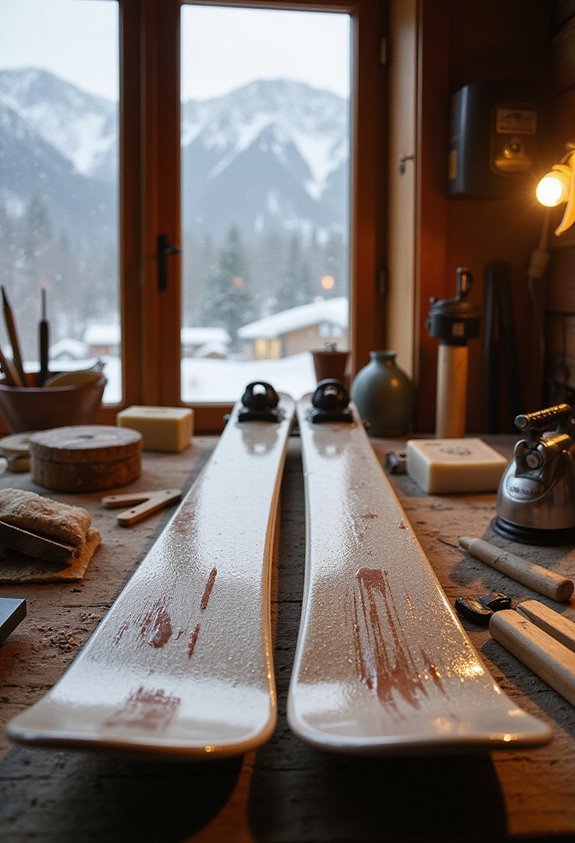
Understanding the nuances of maintenance and base care is essential for any skier seeking peak performance on the slopes, as the choice between hot waxing and rub-on wax can greatly affect the longevity and efficacy of their equipment. Hot waxing, with its deep wax penetration and layered applications, helps guarantee peak base protection and requires less frequent maintenance—typically every 4-6 runs. In contrast, rub-on wax offers a quick and easy application but demands more frequent reapplication due to its short wear life, often lasting only a day. While rub-on wax may provide immediate slickness, it lacks the durability needed for serious skiing, making hot waxing the superior choice for those committed to maintaining their gear and achieving excellence on the snow. Additionally, choosing the right wax based on temperature compatibility can further enhance glide performance and protect the ski base.
Recommended Products

Stalefish: Ståle Sandbech’s new shape for the steep, the deep and everything in-between

The RaceWax Digital Elite Ski Snowboard Wax Tuning Kit has the same components as the regular Elite kit except that the iron has a digital temperature display. The Swix edge tool does 9 angles and sets both base and side. A 70 mm diamond stone for edge sharpening included. NOTE! 80 mm IS THE MAX LENGTH FOR THIS TOOL.

World Cup Level Wax Iron: The TOKO T18 boasts a 15mm thick base plate for precise waxing of Alpine, Nordic, and snowboard gear.
Cost and Convenience
When choosing between hot waxing and rub-on wax application, cost and convenience play pivotal roles in any skier’s decision-making process. Hot waxing services generally cost $15 to $20, and while the upfront expense of equipment can be a deterrent, it leads to cost effectiveness over time. In contrast, rub-on wax, while convenient for quick touch-ups on the slopes, can be pricier per use, with bottles averaging $35 to $70. User preference often falls towards rub-on wax for its ease of application, but hot waxing yields longer-lasting performance and deeper base penetration. Consequently, skiers must weigh immediate convenience against the worthwhile investment in hot waxing for sustained gear health and superior glide in the long haul. Additionally, regular maintenance of skis, including temperature regulation features, is crucial for optimal performance on the slopes.
Recommended Products

COMPLETE MAINTENANCE SET: TOKO's comprehensive kit includes a T8 iron, nylon brush, plexi scraper, tuner, file, and 120g multi-temp waxes for total care. This set is all you need for waxing, tuning, edging, and polishing your boards.

50+ COLORS & MULTIPLE TEXTURES – One of the widest selections of marine vinyl available. Choose from bold brights, modern neutrals, and unique textures like Armadillo, Modern, and Leather-like finishes

EFFECTIVE: The IR waxer helps the bases to absorb more wax. You can actually watch the wax disappear into the bases as you are waxing
User Skill and Experience
How does user skill and experience influence the choice between hot waxing and rub-on wax application? Users with higher skill proficiency tend to favor hot waxing, as it involves a more complex process of managing temperature and employing multiple tools. The intricate techniques required for effective hot waxing, such as scraping and brush smoothing, attract those with a passion for precision and performance improvement. Conversely, rub-on wax serves as a beginner-friendly alternative, accommodating users of all experience levels who seek quick, hassle-free applications between more thorough hot wax jobs. This simplicity allows novices to engage with waxing without the intimidating setup, making rub-on wax an excellent gateway to mastering the art of effective snow preparation. Additionally, proper wax application can enhance overall skiing experience, leading to better performance on the slopes.
Environmental Considerations
Environmental considerations play a pivotal role in the decision-making process for skiers when choosing between hot waxing and rub-on wax application. Traditional ski waxes, often containing petroleum-based fluorocarbons, pose significant environmental toxicity risks, being persistent pollutants linked to health issues. In contrast, eco-friendly alternatives, such as plant-based waxes used in rub-on applications, are biodegradable, reducing ecological footprints and minimizing harm to ecosystems. Hot waxing, which requires a heat source, consumes more energy and may emit harmful fumes, while rub-on wax can be applied directly, conserving resources. Moreover, rub-on products typically come in portable tins with minimal packaging, promoting convenience and reducing waste. Choosing eco-friendly options fosters a healthier environment for future generations while enhancing skiing experiences. Additionally, selecting high-performance insulation for ski gear can contribute to improved warmth, reducing the need for excessive energy consumption on the slopes.
Frequently Asked Questions
Can I Mix Different Wax Types for Better Performance?
Mixing different wax types may not greatly enhance performance due to potential wax compatibility issues. For best results, it’s advisable to stick with one type, using the other only for emergency touch-ups when needed.
How Often Should I Wax My Skis or Snowboard?
Waxing frequency varies based on riding intensity. Frequent skiers benefit from regular maintenance tips, waxing every 4 to 6 outings, while casual riders may only need 1 to 2 applications during the season for 최고의 performance.
Does the Color of the Wax Affect Performance?
In the vibrant tapestry of ski wax, wax color wields minimal influence over performance impact. Enthusiasts should instead embrace wax formulation and temperature compatibility, ensuring their choices resonate with the exhilarating ride beneath their feet.
Can I Hot Wax or Rub-On Wax My Ski Poles?
Ski poles should not be hot waxed or rub-on waxed, as wax durability is unnecessary for pole maintenance. Waxing could disrupt grip or balance, potentially damaging their materials and negatively impacting performance in use.
Is There a Best Time to Wax Before Hitting the Slopes?
The best time to wax is after ensuring skis or snowboard are clean and dry. Timing considerations dictate that regular waxing frequency maintains performance, while last-minute applications should allow proper drying before hitting the slopes.


